
Any question about the article?
Please use your work e-mail, so we can connect with you
By Scott Poniewaz, Founder at MEETR
A quick note on where this is coming from. I’ve been fly fishing for most of my life, and for the last few years I’ve also run a company that connects people with outdoor guides and instructors: skiing, climbing, fly fishing, whitewater, all of it. That second part means I’ve heard an unusual number of guided-trip stories from both sides of the boat: anglers who had the best day of their season, and anglers who paid good money to stand next to a guy checking his phone. Of course, the guides also have a few client stories of their own.
The gap between those two outcomes almost never comes down to luck. It comes down to whether someone picked the right guide for what they actually wanted, and asked a few direct questions before handing over a deposit. Here’s how I think through it and suggest to people booking a fishing guide for the first time.
Before you start searching, figure out what you’re really after. A wade trip on a tight freestone stream is a different experience from an eight-hour float down a big Western river. Chasing big browns in low, clear October water is a different mindset than teaching a nine-year-old to catch her first bluegill off a dock.
Guides specialize, even when their website lists every species in the state. Someone who spends 150 days a year streamer fishing from a drift boat isn’t automatically the right person to patiently walk a beginner through their first mend. Both are excellent guides. They’re just good at different days.
Write down, in one sentence, what you actually want out of the trip. That sentence should drive every other decision that follows.
“How long have you been guiding?” is the question almost everyone asks, and on its own it doesn’t tell you much. A guide with fifteen years of experience who hasn’t fished your river this season knows less about current conditions than someone two years in who was out there last week.
Ask instead: “When did you last fish this stretch, and what were you seeing?” A good guide gives you something specific: current bug activity, water levels, where fish have been holding, not a general reassurance that the river’s fishing great this time of year. Vague answers here tell you something too.
It’s also worth asking what they guide most often. If you want to nymph for rainbows and their real passion is topwater bass on a nearby lake, that mismatch tends to show up in small ways throughout the day.
This gets skipped constantly, and it shouldn’t. How a guide handles your first call or email is a preview of how they’ll run your actual day.
Do they ask questions back? A guide who wants to know your casting experience, your comfort wading in current, whether you get seasick in a drift boat, or what you’re hoping to get out of the day is already doing the job before you’ve paid a dollar. A guide who just quotes a price and a meeting time isn’t necessarily bad, but they’re giving you less to evaluate.
In my experience, guides who ask good questions upfront are almost always the ones who deliver a day that actually matches what you wanted, rather than a generic float down the same stretch they run every time.
This is where first-timers get surprised: not usually by cost, but by assumptions that turn out to be wrong. Ask specifically:
None of these are rude questions. A guide worth booking answers them without hesitation, usually before you even ask, because they’ve fielded the same questions a thousand times.
Most guides are good people who genuinely love the work. A few patterns are still worth noticing:
Reluctance to talk about current conditions. If someone can’t or won’t describe what the fishing’s actually been like recently, they probably haven’t been out much.
No weather or cancellation policy. Weather happens. A guide without a clear, fair policy for a genuinely bad day is setting you up for an awkward conversation later.
Pressure to book immediately. Good guides get busy, but they don’t need high-pressure tactics to fill a calendar.
Vague answers about group size. If you’re paying for a private trip, confirm exactly how many people will actually be with you on the water.
Word of mouth is still one of the strongest filters available. A friend’s genuinely great day with someone is real signal. Local fly shops are also worth calling, since they hear directly which guides their regulars keep booking again.
Beyond that, there are now directories built specifically around this problem, since finding a genuinely good guide used to mean digging through outdated websites and stale TripAdvisor reviews. I’ve used MEETR for this, which lets you look at a guide’s certifications, specialties, and background before you ever make the first call, useful if you’re planning a trip somewhere you don’t already have local connections.
Wherever your list of candidates comes from, the vetting above still applies. A directory gets you names. It doesn’t replace the conversation.
Once you’ve booked, here’s roughly how a well-run day tends to unfold.
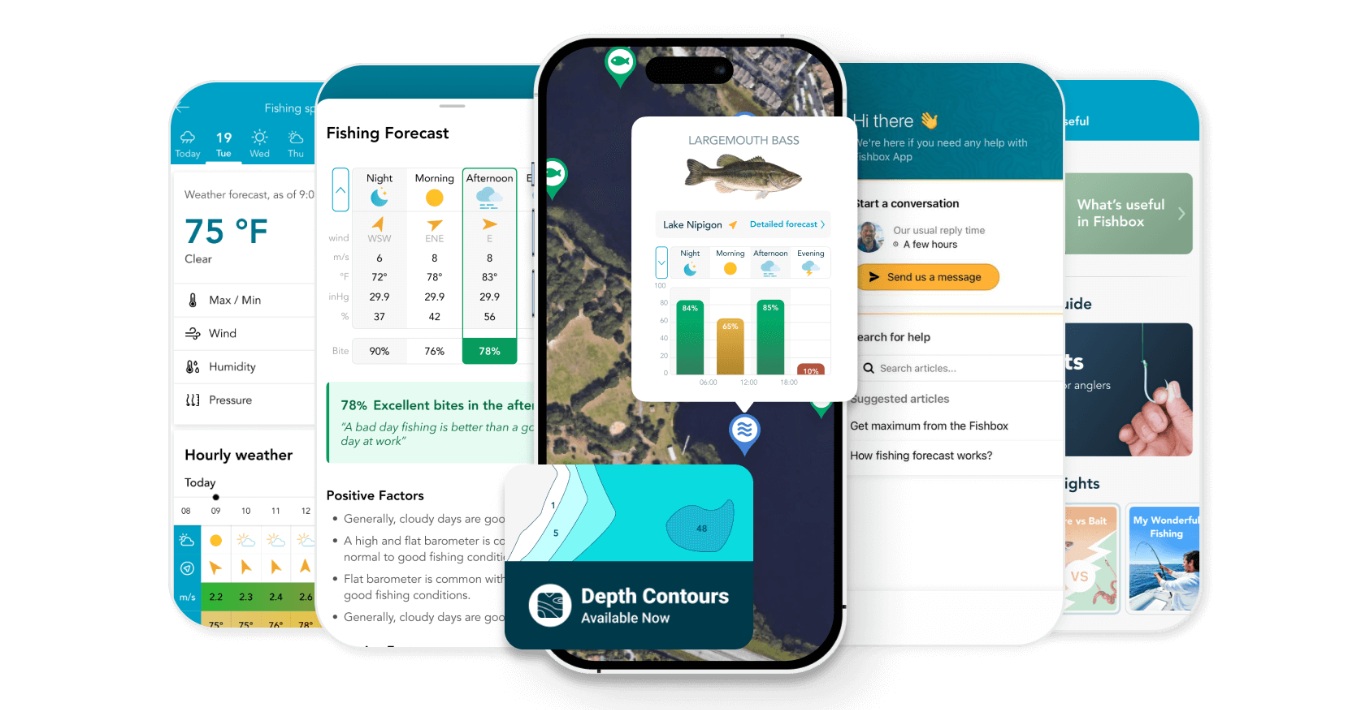
In the days before a trip, I recommend using Fishbox to get yourself familiar with the water you’ll be fishing, the species, bite forecasts, and the maps of the area. The more you know before you go, the better.
Expect an early meeting, often before sunrise in summer for the best conditions, and a real conversation about the day’s plan before anyone wets a line. A good guide adjusts that plan as the day goes based on what’s actually happening on the water, not a fixed script.
Expect to be taught something, even if you’ve fished your whole life. Every stretch of water has its own quirks, and a guide who’s out there constantly will show you a mend, a fly pattern, or a holding spot you’d never have found on your own.
And expect some slow stretches. A guided trip isn’t a guarantee of nonstop action. A good guide is honest about that instead of promising a fish behind every rock.
The best guided days I’ve heard about, and had, came from guides who asked good questions before booking, spoke specifically about current conditions instead of general reassurance, and were upfront about what the day would and wouldn’t include. None of that takes luck. It just takes a few direct questions before you commit.
Twenty percent of the trip cost is a solid standard for good guiding, similar to a restaurant tip. For a genuinely exceptional day, more is appropriate and appreciated.
Most guides provide rods, reels, and often waders, but always confirm before trip day. If you already have gear you’re comfortable with, most guides are happy to let you use it, just mention it when you book.
Ask about this before booking. Reputable guides usually have a clear rescheduling or partial-refund policy for genuinely unsafe conditions, though ordinary rain or wind usually isn’t a reason to cancel.
For popular rivers in peak season, summer and early fall especially, six to eight weeks out is a good target. For quieter times or lesser-known water, a couple of weeks is often fine.
Almost always. Even experienced anglers benefit from current local knowledge, access to water they couldn’t reach alone, and picking up techniques from someone who fishes that specific stretch constantly.
About the author: Scott Poniewaz is the founder of MEETR, a directory that connects people with vetted outdoor guides and instructors for fly fishing, skiing, climbing and whitewater. He is based in Montana.