Any question about the article?
Please use your work e-mail, so we can connect with you
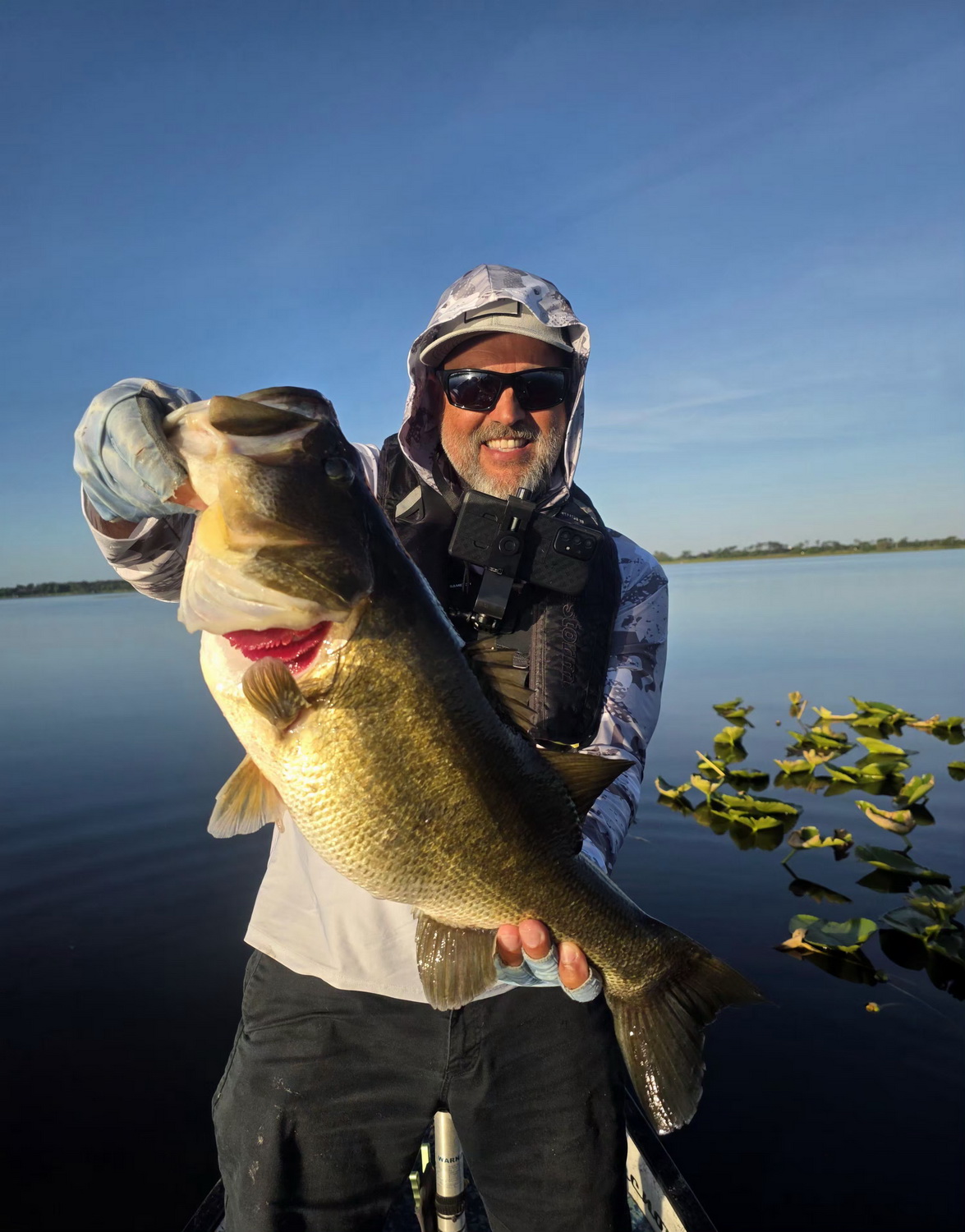
I primarily fish for largemouth bass here in Florida, focusing my efforts on navigating backwaters and tight, hard-to-reach areas where giant fish hide. From the platform of my BonaFide SS107, I rely on keeping my setup simple, paying close attention to weather conditions and water movement, and picking up on the subtle structural details that larger bass boats miss.
I remember the first time I loaded my kayak into the back of my pickup and headed to the lake. I didn’t know it at the time, but that trip would be the beginning of my love for kayak fishing. It showed me just how much freedom fishing out of a kayak could offer.
When I arrived, the boat ramp was packed with anglers loading and unloading their boats. Trucks, trailers, and fully rigged bass boats filled the area. I simply pulled into a parking space, slid my kayak out of the back of my truck onto the setup wheels I had specifically made for it, and effortlessly rolled it past all the boaters onto the grassy shoreline, away from everyone.
I slid the kayak into the water, climbed aboard, and off I went.
As I skirted the shoreline, I came upon a fully rigged bass boat trying to maneuver through an inlet leading to a backwater cove. The water level was high, and he couldn’t get under an overhead bridge without the top of his motor hitting it. So there he was, trolling around in circles while I quietly slipped past him and continued into the backwaters.
He jokingly asked if I wanted to trade boats.
That moment stuck with me.
Here I was in a small kayak, carrying everything I needed to fish, quietly reaching places his expensive bass boat couldn’t. I didn’t have to fight a trailer, wait for a crowded boat ramp, or worry about whether I could get through an inlet. I simply launched and went fishing.
That was the beginning of my love of kayak fishing.
There was something about leaving everything behind and heading into the backwaters that appealed to me. It wasn’t just about catching fish. It was the adventure, the solitude, and the hunt for giant largemouth bass.
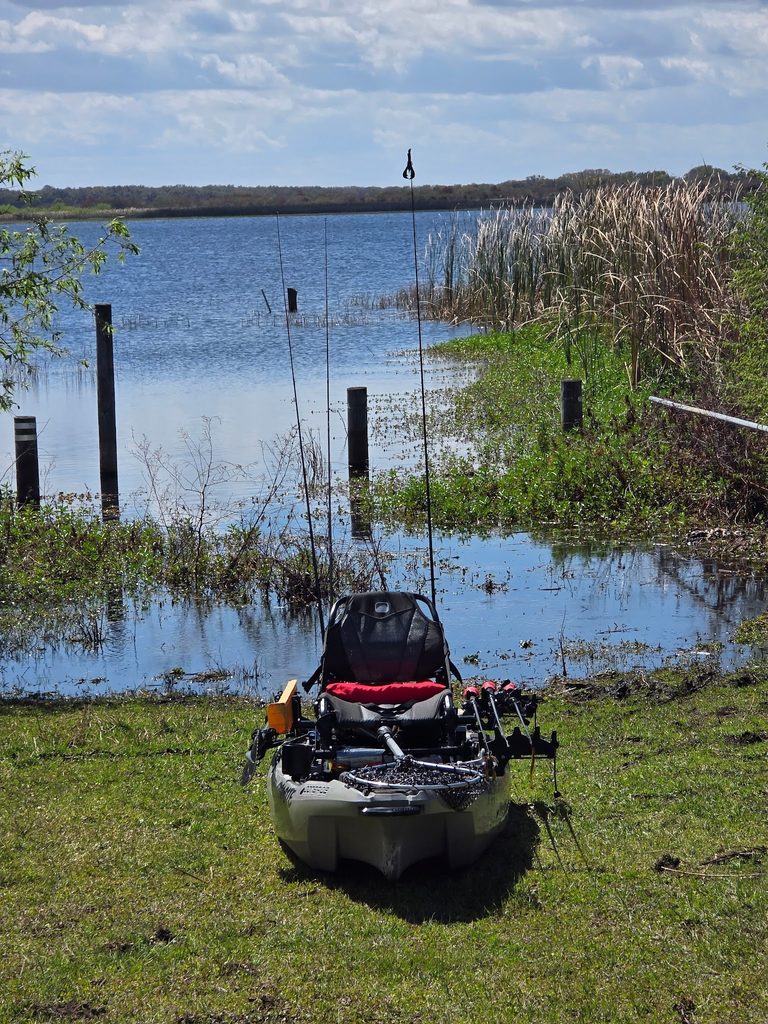
There are numerous kayaks on the market, with some designed for smaller bodies of water, others for larger lakes, and some specifically built for rivers. Whether you’re considering kayak river fishing or saltwater kayak fishing, the right kayak will depend on the waters you plan to explore.
For example, an inshore fishing kayak may be better suited to protected coastal waters, while sea kayak fishing and ocean kayak fishing require a kayak designed for more exposed conditions.
I was looking for something different – an all-around kayak I could use for most of my fishing, rig with the equipment I needed, and store in my garage ready to go.
For the type of fishing I do and the waters where I live, I chose the BonaFide SS107. For me, it has proven to be the perfect platform.
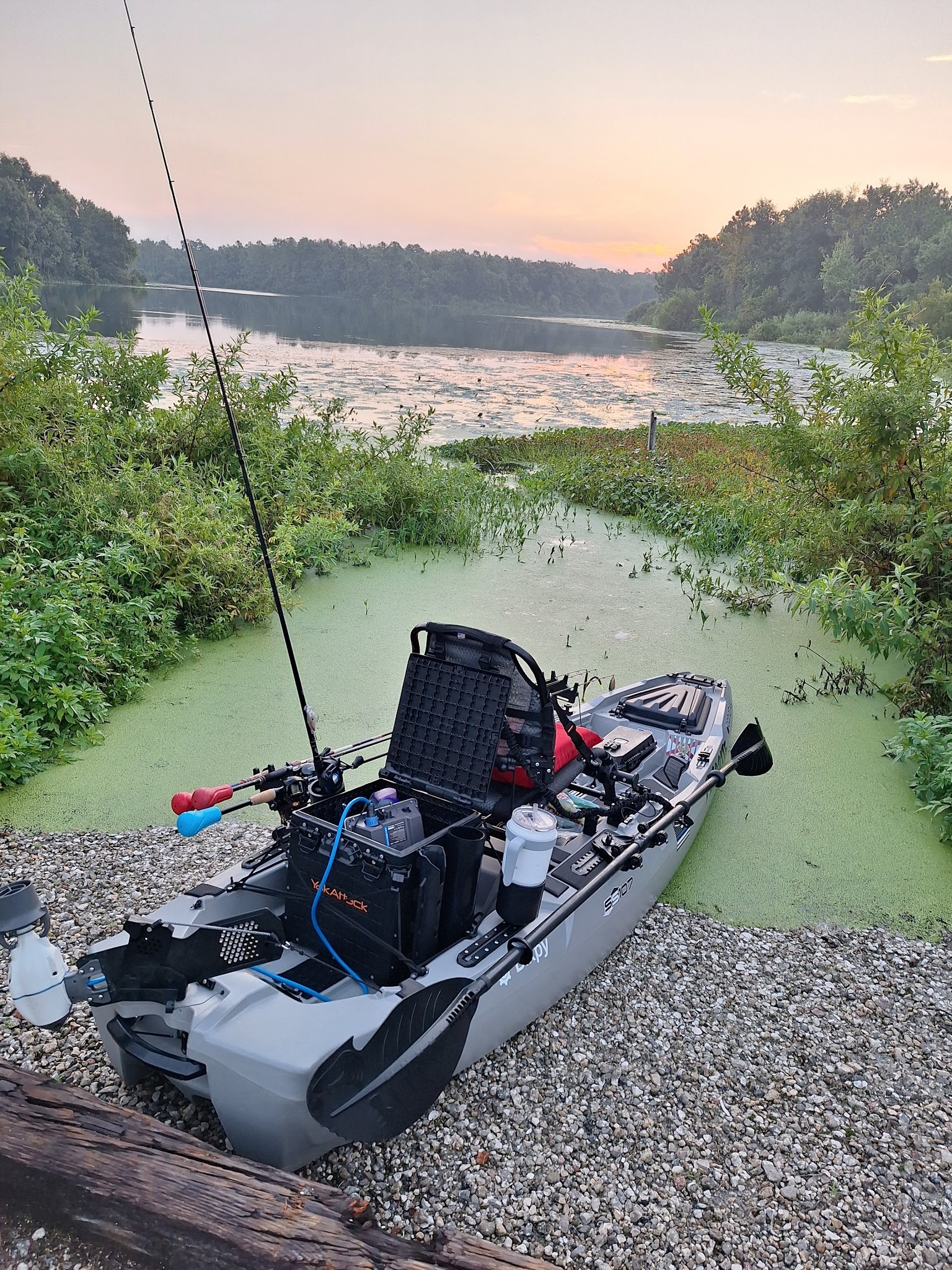
(The BonaFide SS107 – my go-to kayak for exploring Florida’s backwaters and reaching fishing spots larger boats can’t access.)
What it lacks in size, it makes up for in stability and transportability. It handles larger bodies of water well enough that I feel comfortable fishing them, but where it really shines is on smaller bodies of water. Its size allows me to get into tight areas, reach places larger boats can’t, and explore waterways, management areas, and fisheries that might otherwise be difficult to access.
That accessibility is one of the biggest advantages of kayak fishing. I can load it into my truck, drive to the water, unload it, and be fishing without dealing with a trailer or depending on a traditional boat ramp.
If I were to ramp this up, I would focus on a few things:
Once you’ve chosen a kayak that fits your fishing style, the next challenge is how to set up a fishing kayak to make the most of the space you have.
Here’s how I set mine up.
One of the first things you learn in a kayak is that space is limited, so you have to become creative about what you bring and where you put it.
My fishing rods are positioned horizontally across specially made rod holders that bolt into the kayak’s gear track. Keeping my rods low is important when I’m maneuvering through backwaters. The last thing I want is a rod sticking up and getting caught on tree limbs and branches while I’m trying to reach a targeted area.
Behind my seat, I use a 12-by-12-inch crate specifically designed for my kayak. It gives me a convenient place to keep my tackle while keeping everything organized and within reach. It’s also important to think about how to keep fish on a kayak if you plan to keep your catch, so make sure you have a secure place for it without taking up too much fishing space.
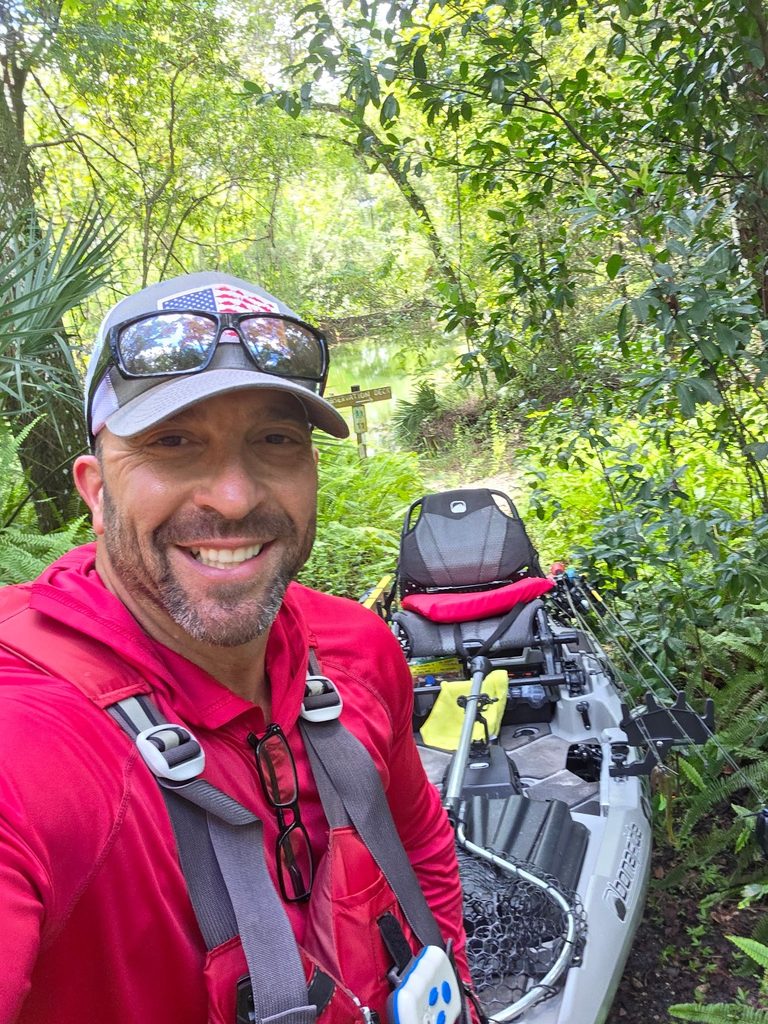
As for me, I don’t bring all my tackle with me. I select what I’m going to use based on the body of water, the area I’m fishing, and the conditions I expect to encounter that day.
Kayak fishing has taught me that you don’t need to bring everything you own. You need to bring what you need.
The same philosophy applies to electronics. With limited space, fish finders and other large electronics aren’t always practical. Instead, I rely on applications such as Fishbox for weather and fishing information when planning a trip and while I’m on the water. It also allows me to see the biting forecast which is undeniably one of the things I couldn’t find in other apps.
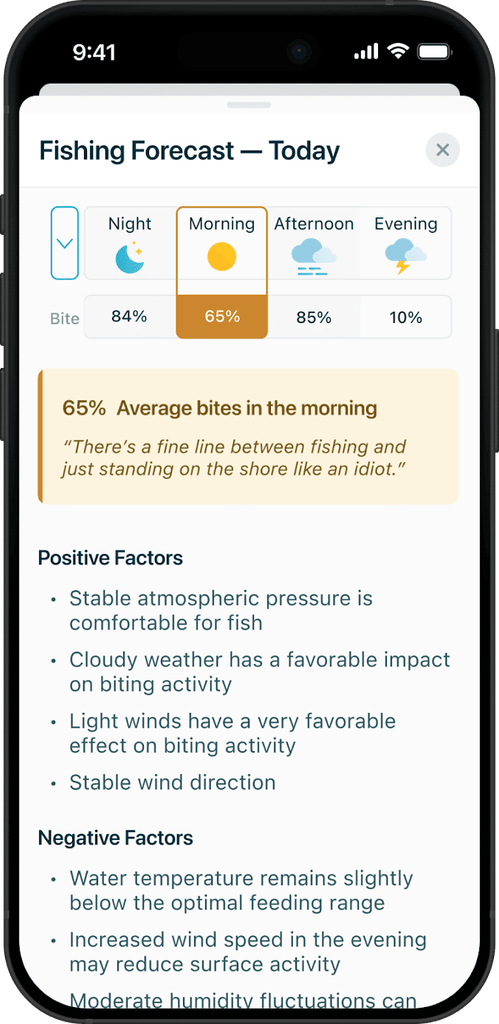
My phone is secured to me with a lanyard attached to my personal flotation vest made specifically for kayak anglers.
For me, keeping things simple is part of the appeal.
Read also: How to Set Up a Fishing Rod for Beginners
I primarily fish for largemouth bass here in Florida, and I’ve learned that success often comes down to paying attention to what is happening around you and presenting bait silently or using a quiet casting technique. Spending time with Mother Nature teaches that big looping overhead casts that create unnatural splashing noise are not conducive to catching fish.
Knowing the weather before and while you’re on the water matters for both safety and fishing success. But I don’t just look at the forecast to decide whether to go fishing. I use the conditions to help determine where and how I’m going to fish.
Wind is a perfect example.
On windy days, I’ll often position myself behind islands of grass, brush, or trees for protection. But I don’t consider wind a bad thing. In fact, wind can create some of the best fishing opportunities.
I’ll cast into windblown banks where baitfish accumulate because of wind and water movement. Where you find baitfish, you often find hungry bass.
The wind can push baitfish toward a shoreline and concentrate them around vegetation and structure. Bass recognize these areas as opportunities to ambush an easy meal.
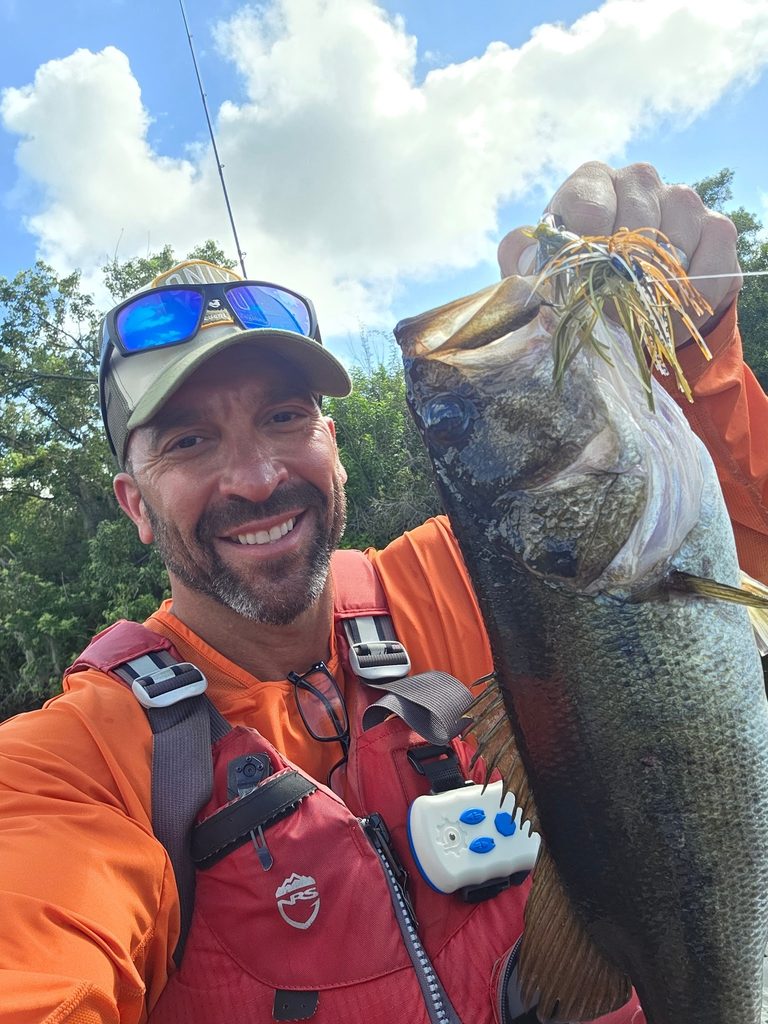
Approaching storms can create another opportunity. (I saw this firsthand the other day when the changing conditions helped me land a great catch.)
A change in barometric pressure can increase bass activity and sometimes trigger an aggressive feeding period. When I see those conditions developing, I pay attention because it can be an excellent time to be on the water.
At the same time, safety always comes first. Fishing from a kayak means you’re directly exposed to the elements. Florida weather can change quickly, and an approaching storm can turn a good fishing trip into a dangerous situation. I constantly monitor the weather and make sure I have enough time to get back before conditions become unsafe.
If you’re new to an area or looking for new places to fish, Fishbox can also help you discover fishing spots nearby. Along with checking the fishing forecast and wind direction, you can explore potential locations in the area before heading out, which is especially useful when fishing unfamiliar waters.
One of the simplest lessons I’ve learned is that bass have to eat. If you can find where the baitfish are concentrating, you’ve got a good starting point for finding the bass.
I watch the shoreline, vegetation, and water movement for signs of baitfish. Sometimes they’re obvious; other times you have to notice subtle changes in the water.
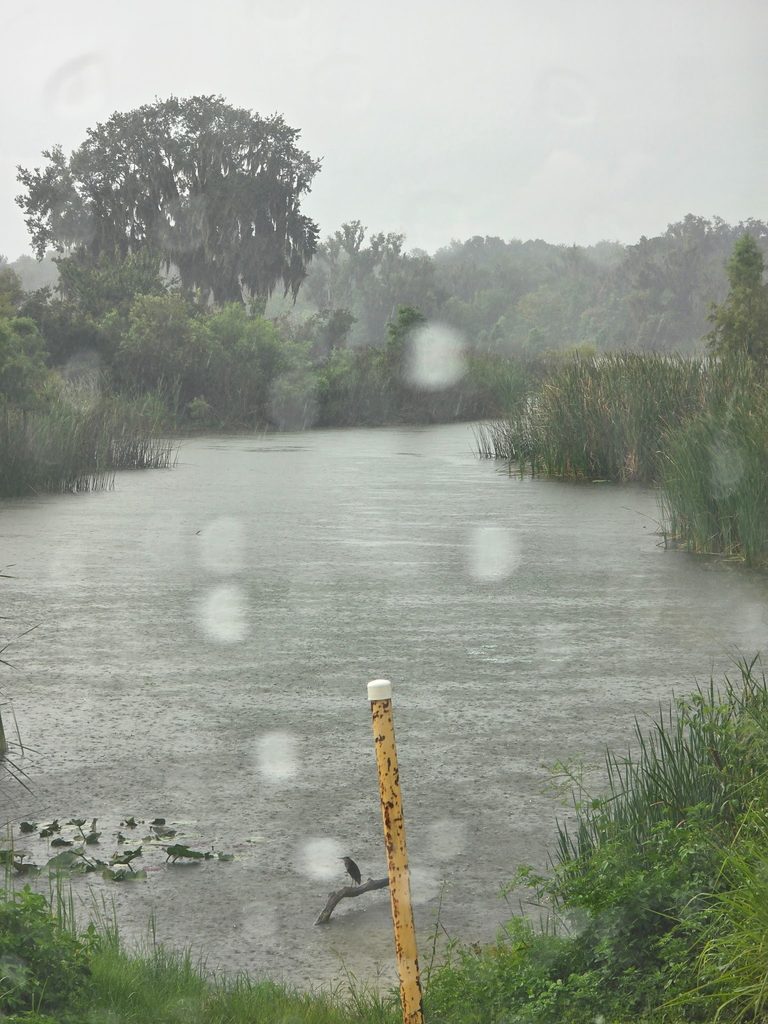
When I find baitfish combined with structure and favorable conditions, I slow down and work the area.
Grass, brush, fallen trees, submerged vegetation, and changes in depth can all give bass a place to hide and ambush prey. I pay particular attention to edges and transitions because those are places bass can position themselves while waiting for baitfish to come within striking distance.
The kayak gives me another advantage here. I can approach these areas quietly, make longer casts before getting too close, and work an area without disturbing it.
I prefer to keep my techniques simple and adapt to the conditions around me. One of the biggest advantages of a kayak is the ability to approach fish quietly, so I avoid making unnecessary noise or splashing the water. I’ll often make longer casts toward grass lines, fallen trees, brush, and other structures before getting too close.
For largemouth bass, I like working these areas with soft plastics, Texas-rigged worms, and topwater lures when fish are actively feeding near the surface. I’ll also slow down and work an area thoroughly if I notice baitfish activity or signs of bass feeding. Wind and water movement influence how I position the kayak and where I cast.
The key is staying quiet, reading the water, and letting the conditions dictate your approach.
Kayak fishing has taught me to slow down. Without a big motor, you aren’t constantly running from one location to another. You have to pay attention to where you are, what the water is doing, and what the conditions are telling you.
That slower pace has made me a better fisherman.
I watch the wind, look for baitfish, study the vegetation, and pay attention to water movement. I look for anything that makes one area different from another.
A small opening in the grass, a fallen tree, a change in depth, or a windblown shoreline may be all it takes to create an opportunity.
No two days are the same. Water levels change, atmospheric pressure rises and falls, baitfish are constantly moving, and bass adjust with all of it. That’s why I don’t believe there is one magic location or one magic lure that will consistently produce fish under every condition.
Instead, I believe in learning how to read the water and adapting to what the day gives you.
For me, that’s what kayak bass fishing is really about.
Read also: The Best Lures for Bass Fishing: A Comprehensive Expert Guide
It’s about loading the kayak into the truck and heading somewhere not knowing exactly what the day will bring. It’s about leaving the crowds behind and quietly slipping into the backwaters. It’s about exploring places other boats can’t reach and figuring out what the water is telling you.
And, of course, it’s about the hunt for that giant Florida largemouth bass.
The kayak is simply the tool that gets me there. The real advantage comes from learning how to use the conditions, understanding the environment, and being willing to explore.
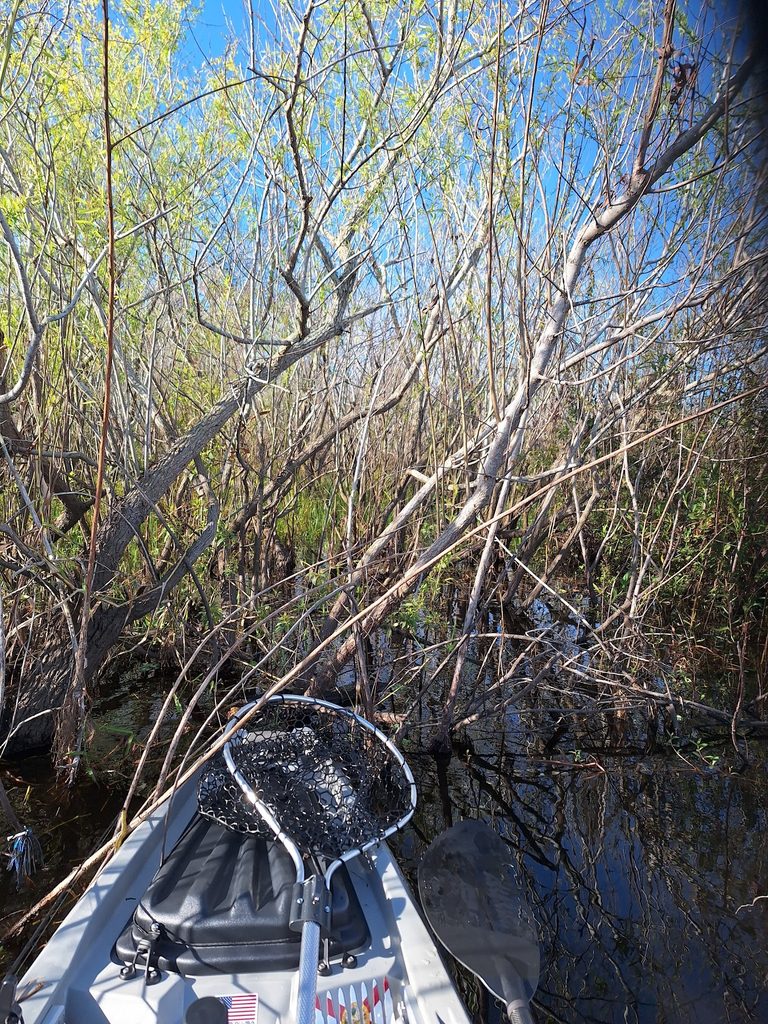
When the wind pushes baitfish toward a windblown bank, I want to be there. When I find grass, brush, trees, or other structure that allows bass to ambush prey, I slow down and work it. When the conditions change, I adapt.
That’s the freedom of kayak fishing.
You leave the high-pressure fishing areas behind, carry only what you need, and venture into places where the next cast might produce the fish you’ve been looking for all day.
For me, that’s what keeps me coming back—the freedom to explore, the solitude of unexplored waterways, and the never-ending hunt for that next big largemouth bass.
Anthony is an experienced kayak angler who shares practical fishing tips, firsthand insights, and advice on catching fish from a kayak.