
Any question about the article?
Please use your work e-mail, so we can connect with you
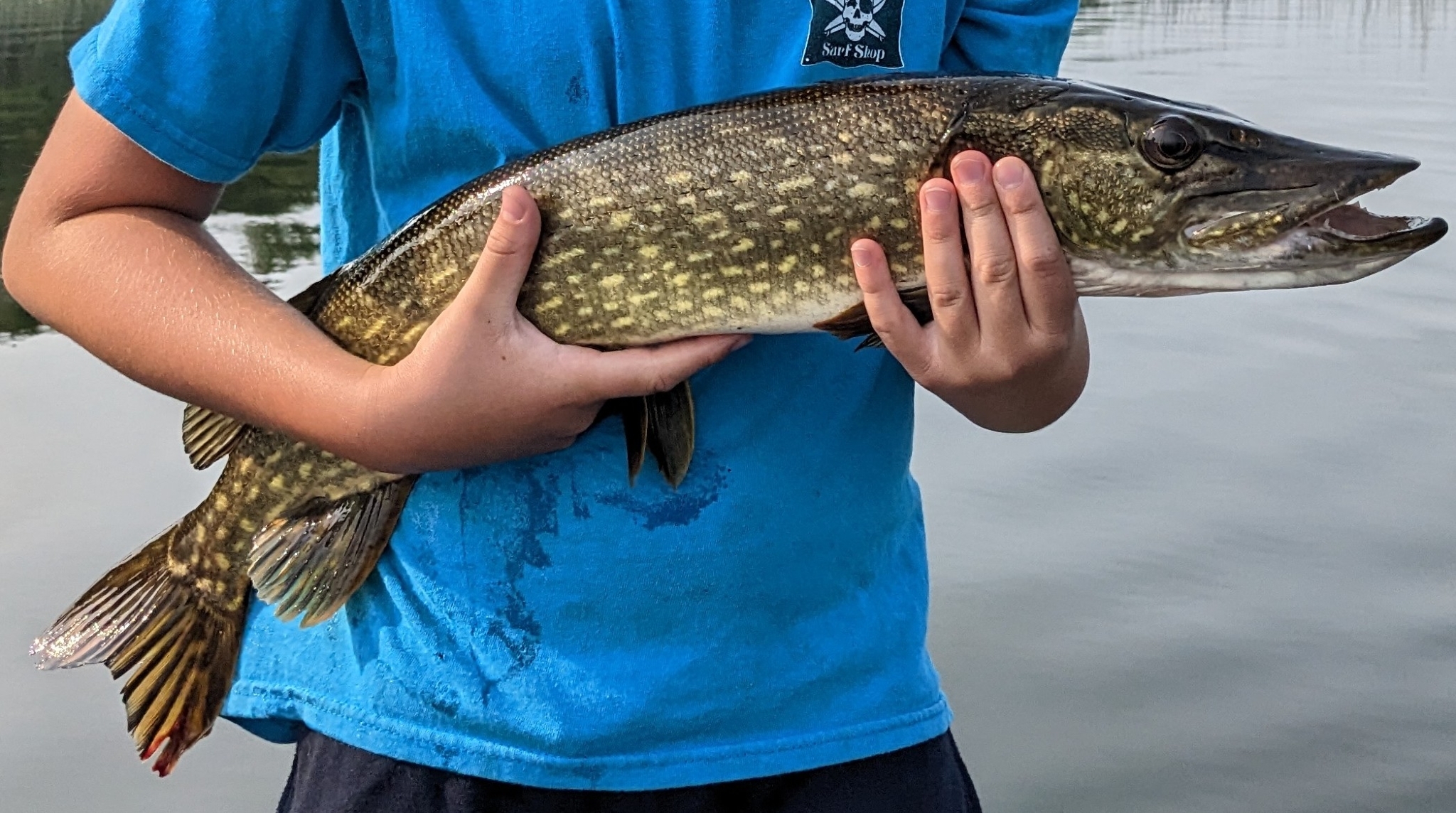
Of all the fish in North American freshwater systems, the Northern Pike stands out as an apex predator. They are well-known ambush feeders, laying in the weeds or shadows of a lake, reservoir, or riverbank, waiting for prey to pass by before attacking. And they’ll eat almost anything, from smaller Northern Pike and baitfish to insects, small birds, snakes, and rodents.
For anglers, they are considered one of the most popular game fish, thanks to their size (up to 5 feet long and weighing more than 60 lbs.) and explosive strikes. Time and time again, we’ve been told that if you want a good battle while freshwater fishing, go where the aggressive Northern Pike resides.
And here’s the good news: Northern Pike aren’t difficult to find. They are abundant throughout the upper half of the U.S. and deep into northwest Canada for most of the year (although the Southern U.S. is best avoided). The most popular destinations of Northern Pike are found in the Upper Midwest, Alaska, and Canadian provinces Ontario and Manitoba, where fly-in trips are especially popular for reaching remote locales.
Their habitats include cold water rivers, lakes, reservoirs, and even small ponds.
One of the keys to catching Northern Pike is trial-and error when it comes to bait. While they have a durable reputation for being voracious, they also befuddle anglers with their sporadic pickiness at the same time. The best path to follow when it comes to targeting Northern Pike is to start with live bait, but there are plenty of lures and cut bait available as well.
The Northern Pike’s aggressiveness often benefits anglers. When they are not being selective, presenting just about any bait in the right locale will often result in a violent strike.
Finding the right bait and the right locale is key, and that’s where Fishbox can help. Below, you’ll find some helpful tips and techniques on both topics that will improve your chances of catching one of North America’s premier game fish.
When the topic of fishing for Northern Pike comes up, live bait, spinners, and spoon lures are usually the first baits mentioned. While they can be successfully employed when the fish are feeding aggressively, other anglers prefer soft plastic lures that flutter and roll when retrieved and, of course, cut or dead bait.
The secret is discovering what the fish are hitting on at your specific locale. This can be done by speaking with fellow anglers, bait shop personnel, or local guides. One of the best aspects of fishing is that information is often readily shared.
In any event, here’s a rundown to help you decide which bait will be best for you when fishing for Northern Pike:
Presenting live bait when fishing for Northern Pike should always be the first choice when the opportunity presents itself. That could mean securing some larger worms, minnows, or shiners from a nearby fishing spot (or bait shop) or simply using a smaller fish caught while targeting a Northern Pike. Suckerfish, smelt, or chub will all work. Since Northern Pike are sight hunters and typically larger fish, they tend to hit on larger bait.
If you go this route, make sure to check local regulations; in some locations, using live bait during certain fishing seasons is prohibited.
When live bait isn’t available or too impractical, cut bait is your next best option. Again, some of the smaller fish caught while targeting another specific species can be used as Northern Pike bait. Suckers, whitefish, and other smaller fish found in waters where Northern Pike live will often work, given their typical meatiness and scent.
And don’t be too concerned about which part of the fish you’re using as cut bait. Almost any will serve your purpose, even the tail section.
When anglers using live or cut bait get their bait stolen too many times or mangled beyond recognition by Northern Pike, lures are a worthy alternative. Arm your arsenal with spinners, buzzbaits, crankbaits, and spoons.
Spinners are best used when the water temperature is still in the 50F-60F temperature range, and Northern Pike is on the hunt. Fast, sustained retrieves when using blue, white, or silver spinners will often induce strikes, as the fish will chase and ultimately attack what it believes is its natural prey.
Spinners can also be worthwhile when fishing in waters with low visibility. Use brighter colors in this scenario and make sure the lure selected can create turbulence and vibrations so that the Northern Pike can find it.
Read also: Most Common Types of Fishing Lures
Canadian anglers swear by buzzbaits when working around shallow vegetation in early Canadian summers. They also say that generally, any lure that has worked with largemouth or smallmouth bass should work for Northern Pike.
Keep in mind, however, that since the fish typically live in vegetated areas, making sure your lures keep moving and avoiding getting snagged is key.
Given the Northern Pike’s broad, carnivorous diet, soft plastics that replicate frogs, crayfish, worms/grubs, and other smaller fish will all but automatically demand attention. The key is making sure soft plastics—which are praised for their durability– are in bright colors in clear waters and white/silver/green in murkier waters and between 4-10 inches in length. Keep in mind that Northern Pike are sight hunters and need to see what they’re hitting before they strike.
Along with selecting the right bait, certain other equipment needs to be employed when fishing for Northern Pike.
Setting up a rig doesn’t have to be a complex endeavor, but you’ll need to use common sense. Since Northern Pike have sharp teeth, the use of wire leaders is often suggested. Leaders of 30-50 lbs. are a good place to start since traditional monofilament lines will be sliced through quickly.
The braided line between 15-30-pound test is typically preferred for its low stretch and superior strength over a monofilament line.
In terms of rods and reels, spin casting or baitcasting reels are used most often, along with 6-foot, 6-inch, or 7-foot medium-action rods.
In terms of handling Northern Pike once they’ve been landed, there’s plenty of debate on which gloves to use to avoid getting puncture wounds from their sharp teeth or gill rakers. The best advice seems to be getting a pair of forceps or needle-nose pliers for hook/lure removal and simply using your bare hands to handle the fish.
Should your hands get a puncture wound from a Northern Pike, use hand sanitizer at once, as the fish’s saliva apparently slows blood coagulation.
Northern Pike can often be found in just about every freshwater location, including lakes, rivers, and reservoirs.
In lakes, they prefer clear, chilly waters and typically reside in vegetated areas inshore, while in reservoirs, they tend to congregate in quiet pools. In rivers, look for Northern Pike in areas where tree branches have fallen, and roots are exposed, virtually anywhere where there is cover in the shallows. Rivers can have either clear or muddied waters, but keep in mind that the fish prefer the backwaters and slower, meandering streams as opposed to fast-moving waters.
Whether lakes or rivers are being fished, Northern Pike prefer waters with brackish waters (low salinity).
The species is most active in colder waters and are more easily caught in winter than in summer, thanks to their tolerance for low oxygen levels and low water temperatures. In the colder months and just before the ice melts in northern regions, they move a little slower but are still voracious feeders.
Anglers generally understand how to fish for Northern Pike. While they are ambush predators, the seasons dictate fishing strategy. Typically, they will be closer to shore when the waters are cooler before heading into deeper waters for most of the days when water temperatures rise. That said, where to fish for these game fish is always under debate. There are a lot of locales around North America to choose from, and finding the right destinations for Northern Pike can be tricky.
Here are some suggestions:
Whether it’s ice fishing in the winter or casting lines during the short, warmer seasons, there’s little debate that Great Slave Lake—Canada’s deepest lake– is one of the top Northern Pike fishing destinations in North America.
Located in the southern part of Canada’s Northwest Territories, Great Slave Lake covers more than 11.000 square miles and reaches depths up to 2,000 feet. The lake features lots of bays along its shoreline, providing rich vegetation and abundant prey fish for the Northern Pike.
Although it takes some effort to reach the Northwest Territories, once you’re there, the territorial capital, Yellowknife, provides plenty of amenities, and in the winter, portions of the frozen lake are converted to roads near the city, providing access to nearby lodges and surrounding villages.
Read also: Lake Fishing: Essential Tips for Catching Fish in Lakes
Bordering Minnesota and Canadian provinces Ontario and Manitoba, Lake of the Woods is more than 70 miles long and wide, having almost 15,000 islands and 65,000 miles of shoreline.
The southwest corner of the lake features Zippel Bay and Buffalo Bay, both of which are renowned for Northern Pike weighing up to 40 pounds in the late ice/early spring. While they are often found in deep, open waters, the fish often move to shallow waters to feed and spawn. Most anglers use live or cut bait in the spring before switching to spinners and spoon lures during the summer.
Northern pike fishing is one of the main attractions in North Dakota, which has the largest body of natural water. Long known as one of the top ice fishing destinations in the U.S., Devil’s Lake offers fishing 12 months a year, with many visitors coming to the region specifically for Northern Pike and walleye.
Several guides noted that over the past few years, Northern Pike measuring 30-35 inches in length are regularly being caught, especially in the late spring and fall. Another note about fishing at Devil’s Lake for Northern Pike: Hot dogs are often used successfully as cut bait.
The largest east-west river in the U.S., originating in Ontario, Canada, and flowing into New York state, St. Lawrence provides the Northern Pike with plenty of its preferred habitat: tree roots and fallen trees near the shorelines, piers, bridges, weirs, and just about anything that can provide shade or cover.
The river features numerous islands and bays which attract Northern Pike all year.
According to guides and outfitters, the top spots include Cape Vincent (on Lake Ontario), Clayton, Wellesley Island, and Alexandria Bay.
Located in Central Michigan in the lower peninsula, the Muskegon River slowly meanders more than 200 miles through forests, farmland, and marshy areas before emptying into Lake Michigan; it offers outstanding Northern Pike fishing thanks to an abundance of deep pools, submerged logs, and plenty of vegetation most of the year (since it seldom freezes, despite its Upper Midwest locale)
Spring to early summer is the best time to target Northern Pike on the river, as they move into the shallows and often hit on live bait spoon lures.
Read also: Michigan Fishing Seasons: Your Comprehensive Guide
Fishing for Northern Pike continues to rise in popularity across the northern half of the U.S., Canada provides Alaska, and even Europe. The reasoning is simple: It’s an aggressive, voracious game fish that’s abundant and provides anglers with an outstanding test of their skills.
What’s more, how often do we get to hook up with a fish weighing 40- 60 lbs.? (Just think of the social media photo possibilities!).
Whether you travel to remote lakes or rivers in the U.S. or Canada or stay closer to home, chances are Northern Pike will be available not only in the warmer months but throughout the winter. The best time to fish for Northern Pike is in cooler water temperatures.
Some adjustments need to be made to your tackle when targeting these fish (steel leaders are all but mandatory), but for the most part, employing the gear used for hooking up with any large fish should work.
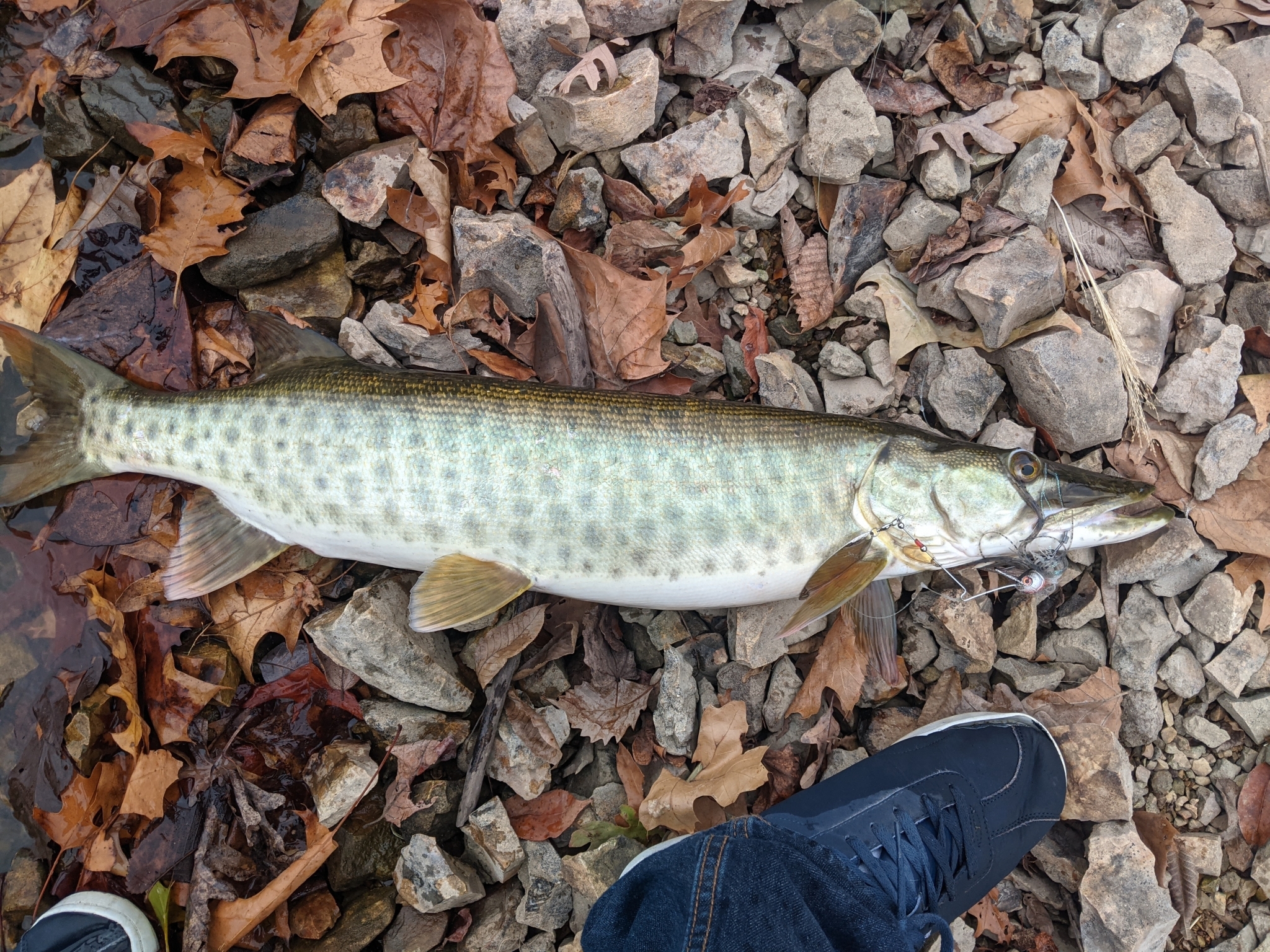
Pike is a species that I’m not too familiar with, to be honest with you. From the research I’ve done and all the videos I’ve watched on YouTube, the pike seems to be an awesome fish that is ferocious and beautiful at the same time. Since I don’t have any experience in this field, let’s jump straight into reading and breaking down this article. The first thing I noticed in this article right off the rip is the emphasis on pike’s ability to ambush. In addition, I had no clue that a pike could grow to 60 pounds—that is huge! The last thing we get in this brief introductory section discusses how picky pikes can sometimes be with baits. In fact, people often confuse the pike with the musky—the musky being deemed “the fish of a thousand casts”.
In the first real section of the article, the author discusses some of the different options for bait when targeting pike. I will say most of the videos I’ve watched online were of people catching pike on artificials, but it is nice to see that there is a lane for live and dead bait if needed. This being said, I bet it would be epic to see one of these aggressive ambush predators take down a live bait. Watching a fish attack something it would normally eat in the wild is so cool.
The next section concerns some other gear one might need to consider if targeting pike. Some of this gear includes strong wire leaders, a heavy braided line, and a heavier spinning setup (especially if targeting the bigger class of pike). Another important thing I picked up is the need for a net. Pike are toothy fish; you must be extra careful when handling them. This being said, a net is highly advised. In addition, pliers seem to be a must to avoid losing fingers at the hands of these fish. Funny enough, pike reminds me of the saltwater barracuda, which is also very toothy and aggressive—another fish with a reputation for hurting people if not treated properly.
The last section of this article breaks down where to catch pike, from general locations to more specific things you should look for, like structure. From my reading, pike-like structures can give them an advantage when ambushing prey. It makes sense that they would want to be in places near shorelines, bridges, pilings, etc., as it allows them to pounce on bait without easily being seen.
One more thing I would recommend before closing out of this commentary is to consult the locals. This can be random people you see, fishing guides, tackle store owners, and others. From my experience, locals often hold a wealth of fishing knowledge, which could be the ticket to catching a monster pike of your own. In doing so, just make sure to be respectful and honor the words of the locals. After reading this article, I now want to catch a pike even more and look forward to getting the opportunity to do so soon. I hope you have enjoyed reading the article and this commentary. As always, good luck and tight lines!