
Any question about the article?
Please use your work e-mail, so we can connect with you
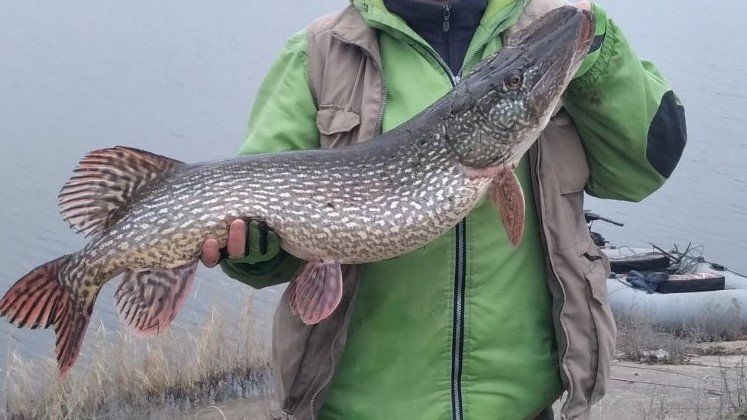
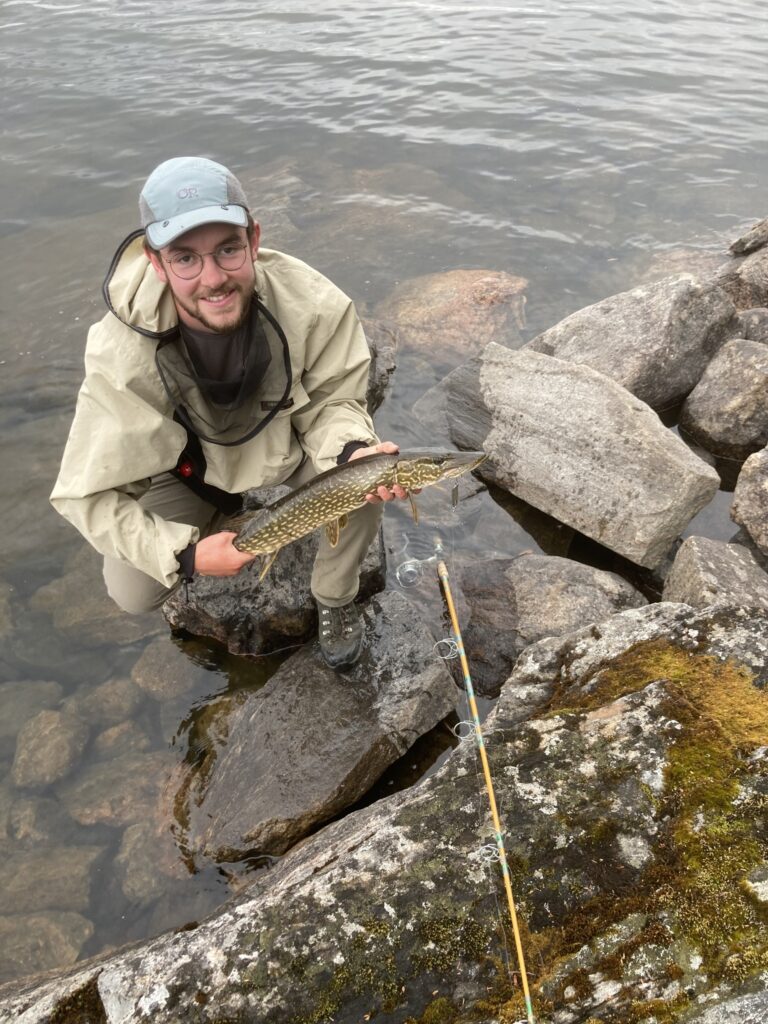
Northern Pike, or the freshwater shark as many experienced anglers call them, are a once-in-a-lifetime freshwater fish that every angler should catch at least once. Be warned, though, these clever, wily, and large fish not only put up a considerable fight when you do manage to hook one but chasing Northern Pike can quickly become addictive!
With a large mouth and rows of razor-sharp teeth, catching a big Northern Pike will never be easy. However, thanks to their voracious appetite, if you’re fishing in waters that Northern Pike frequent, you’ve got a good chance of hooking into one of these freshwater monsters.
Northern Pike can grow much larger than regular freshwater fish. In fact, the record United States Northern Pike weighed in at 46 lbs. and was caught by angler Peter Dubuc in 1940. There are some reports of larger Northern Pike, but some were misidentified, or there wasn’t enough proof.
The experience of hooking, fighting, and landing a Northern Pike can be an emotional rollercoaster ride of adrenaline the first time it happens, but it’s a once-in-a-lifetime experience that all anglers should have the opportunity to experience at least once in their lifetime.
In the following guide to catching Northern Pike, we’ll cover:
If you love freshwater fishing, be sure to check out Maximize Your Catch: Guide to the Best Freshwater Fishing Baits! This is our complete guide to understanding and using the best freshwater baits to maximize your catch rate and improve your time on the water.
When it comes to catching big Northern Pike, even the most experienced anglers will need a little help, especially if they’ve just started chasing these monster freshwater fish or you plan on fishing in a new area. Thanks to the Fishbox App, a premium app for fishing, you’ll have access to the advanced technology used by the Fishbox App, including the best time to go fishing and when you’re better off relaxing at home and getting your fishing tackle or boat ready for your next freshwater adventure.
Northern Pike, also known as Pike or Northerns, are found worldwide. Most Northern Pike in the United States are caught in the 18-40 lb. range, with the United States record Pike measuring in at over 46 lbs. and almost 50 inches long. The Canadian Northern Pike record measured in at almost 56 inches long and weighed a very impressive 50 lbs!
While your chances of running into a world record-breaking Pike in the United States or Canada are a little lower than some of the monsters in Europe, even a smaller Pike will put you in a fight you’ll remember for a long time.
Along with their impressive size and the spectacular flight they provide, Northern Pike are also highly prized because they can be caught year-round, day or night, and in most weather conditions. Although they’re a little bony and require some attention during the cleaning process, the white flesh of the Pike is mild-tasting and flaky. The bigger the fish, the easier it will be to clean, with most small Pike returning to the water to grow bigger and fight again another day.
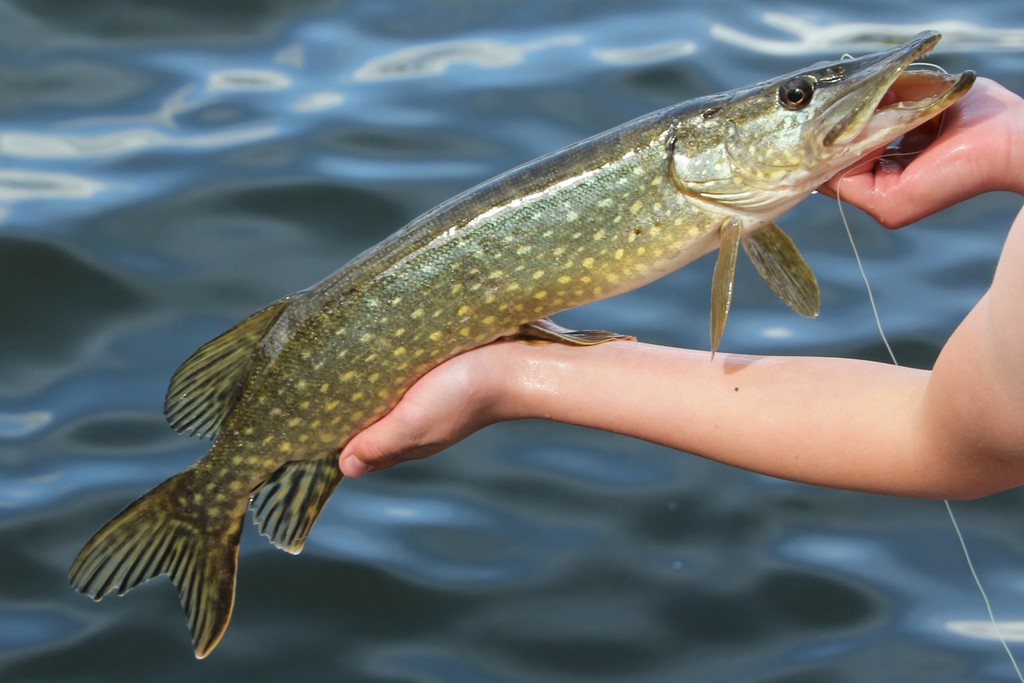
Northern Pike can be found in freshwater rivers, lakes, and streams throughout Canada and the United States. They prefer shallower areas with a gentle current and tend to hang out around rocky areas adjacent to weed beds, which give them some security and cover while they’re hunting for food.
As a solitary predator, the Northern Pike is an ambush fish. Their go-to move is to lurk on a weed bed, almost entirely motionless, looking a lot like a log or branch, waiting patiently for an unsuspecting baitfish to swim by before they strike. Relying more on their excellent eyesight rather than their sense of smell, Pike will search out any movement in the water. However, they’ll still take dead bait if the opportunity arises.
Although there are some monsters in Northern Pike, most of the Pike you’ll catch will be around 5-10 lbs. So if you have a solid Bass setup, you shouldn’t need to go out and buy a new rod or reel just for Pike fishing. In the following section, we’ll cover some of the gear you’ll need to successfully catch your first Northern.
Read also: Fighting a Fish Even When You’re Outmatched
One good thing about Northern Pike is that they’ll strike or eat almost anything they come across, including live baits, dead baits, and artificial lures. It gives you a lot of options when it comes to how you target these monster fish.
In this section, we’ll talk about some of the different bait and lure options you have when you’re fishing for a big Pike.
| Type of Bait | Key Features | How It Works | Best Use |
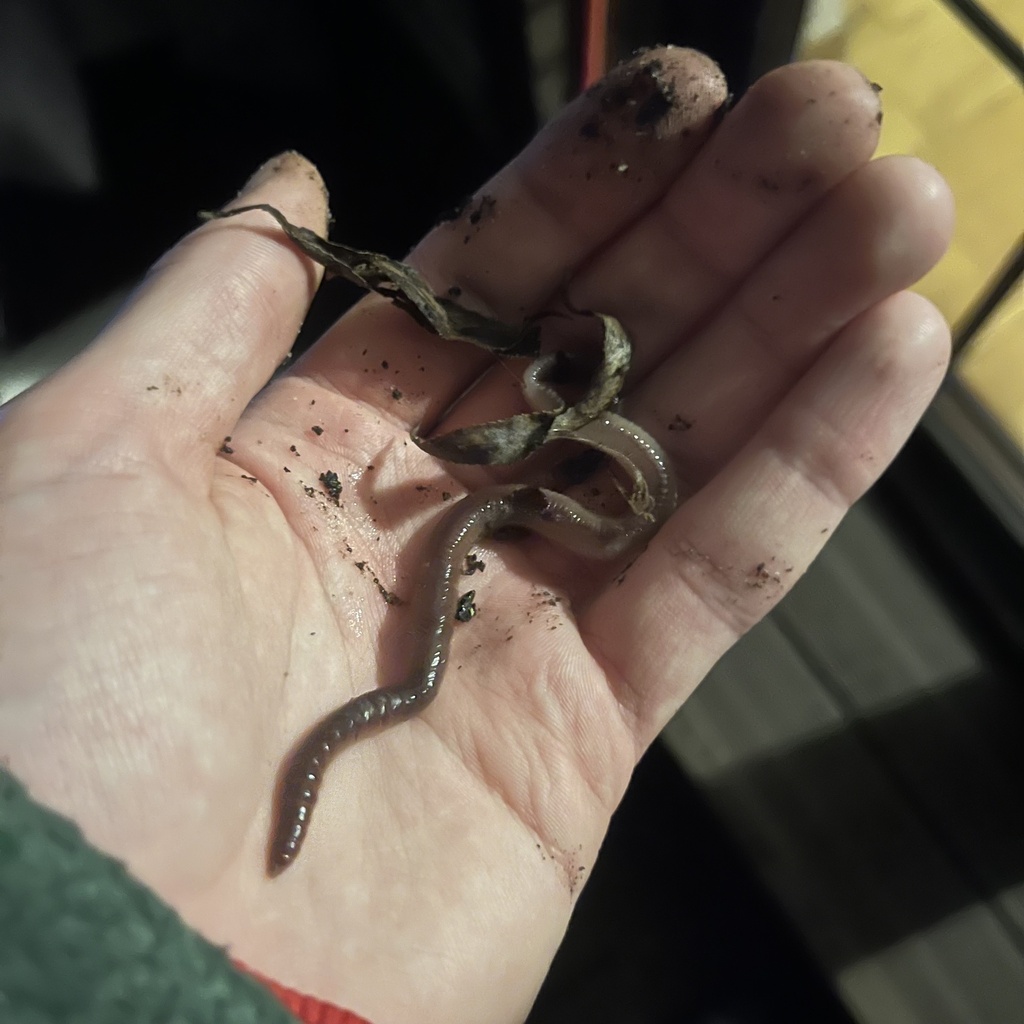
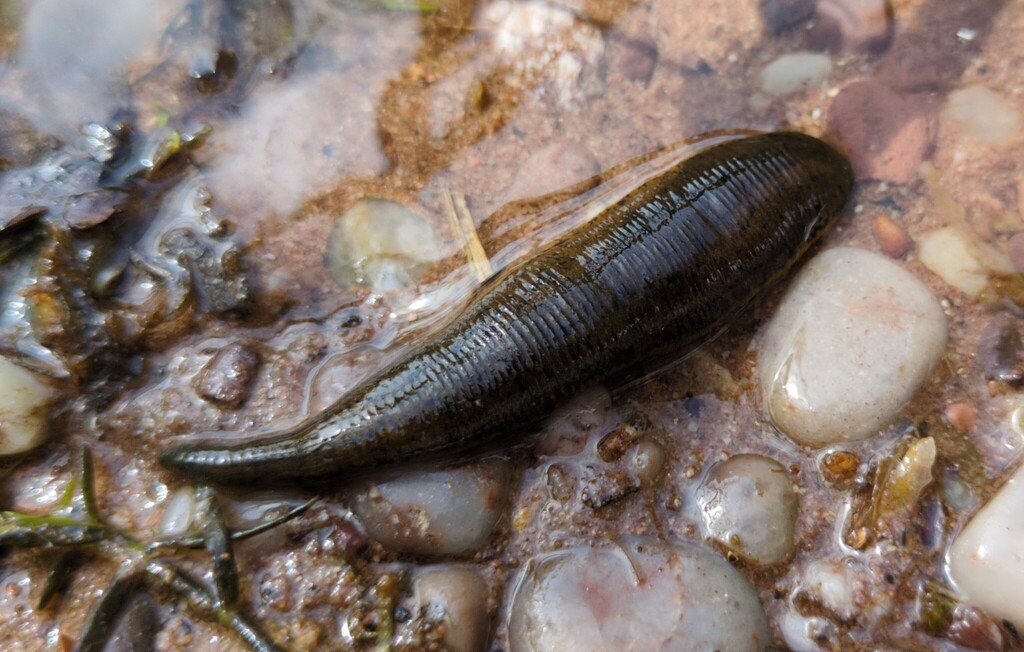
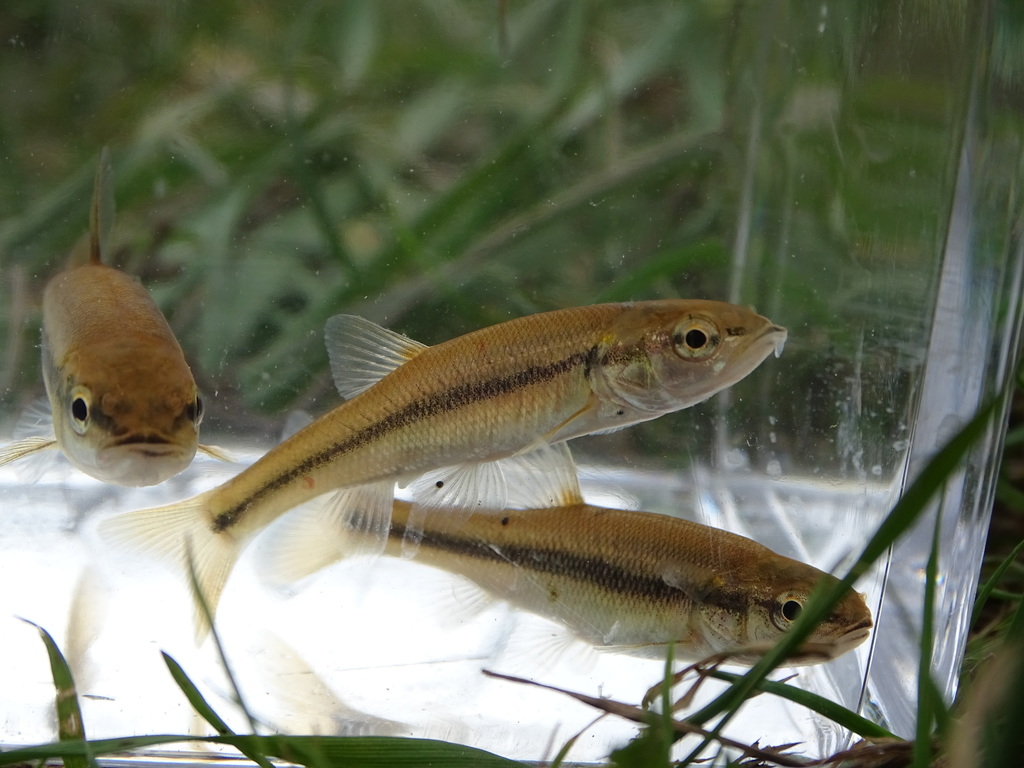
| Live Baits (Worms, Minnows, Baitfish, Leeches) | Natural movement; highly attractive | Mimic real prey with lively motion; size affects target Pike size | Universal use; great for both small and large Pike |
| Crank Baits | Deep divers or jointed floaters; multiple treble hooks | Create strong vibrations and wobble; high hookup rate on strikes | Deep water (deep divers); shallow water (floaters); active fish |
| Spoons | Flashy metal; heavy weight | Mimic flashing baitfish; create vibrations and reflections | All water depths; great casting distance; works well over weed beds |
| Spinners | Rotating blades; added visual elements | Generate vibrations and flash; attract visually-oriented Pike | Shallow to medium depth; smaller Pike often target spinners |
| Soft Plastics & Jigs | Versatile shapes and colors; cheaper option | Simulate small prey with subtle motion; vertical or casting presentation | Best for smaller Pike; less effective for trophy fish |
Because of their strong attack and the way they hunt, almost all the Northern Pike you catch are going to be through trolling or casting, but be ready for the strike! When you feel the strike of a big Pike on your lure or fly, you’ll know it. There’s no second-guessing a big Northern strike.
Your preferred lure of choice should always be spooners and spinners, but hard plastics and jigs can also be effective. However, you’ll often find smaller fish targeting the soft plastics and jigs.
Spoons have a lot going for them because they create a lot of motion as they move through the water and also have a strong visual attraction thanks to the shiny side of the spoon. This flash as they cut through the water closely resembles the flash of a bait fish as it catches the sun’s reflection.
The weight of spoons is also an advantage for a variety of reasons. Firstly, you get a lot of casting distance, which is great when you’re shore fishing. Secondly, the weight also allows the spoon to sink, and by adjusting your retrieval speed, which is slow for deep water and faster for shallow water, you effectively fish a variety of depths with the same lure.
Hard plastic baits or jointed floaters are good in shallower waters as they allow you the opportunity to fish shallow water around structures, weed beds, and rocks without getting snagged into the bottom as much.
Medium-sized lures will always be a good choice for Northern Pike, but that doesn’t mean you should be scared to mix it up with some larger-sized lures. It’s not uncommon for a Pike to hit lures and baits which are up to 1/3rd of their size. If you’re chasing Pike in the 10 lbs. and up the range, an 8 to 10-inch lure isn’t a bad idea.
You should always keep your retrieval speed on the higher end of the scale as Pike love to strike, and their predatory nature will kick in if they see a tasty morsel passing them in the water. Try to retrieve over the top of weed beds and rocks, luring the Pike out of their ambush positions.
When you first arrive at your Northern Pike fishing destination, don’t go rushing straight in. Like all fishing, especially if you’re fishing in a new location or on a destination Pike fishing trip, take some time to carefully scout the area. It will not only save you a lot of time later, but it can also greatly increase your chances of catching a fish as you’ll be able to focus on the best areas first.
If you have access to depth charts and maps, that will help you a lot. Inlets, drop-offs, and bays are great places to start. You want to look for marshy shallow areas with weed beds and close access to structures such as logs, trees, dams, and other artificial structures. All these locations hold a lot of baitfish and minnows, and where the food is, the Pike won’t be far away just waiting for the perfect opportunity to strike.
You’ll find Northern Pike in various lakes and rivers throughout the United States and Canada, but there are some famous Pike fishing bodies of water. If you’re chasing a potential trophy, Northern, then these five destinations below will give you the best opportunity!
Read also: Your Comprehensive Guide to Ontario Fishing Seasons
Below are our quick tips and tricks for catching Northern Pike:
By understanding Northern Pike, including the essential gear you need, the best baits, techniques, and locations to catch Northern Pike, you’ll have a much better chance of catching your dream fish. While there’s no guarantee when it comes to fishing, and we wouldn’t want it any other way, the better you understand your target species, the higher your chances will be.
As responsible anglers, it’s essential that we all do our part to preserve the fantastic fishing opportunities we all enjoy today. By following bag limits, season limits, size limits, and local fish and wildlife regulations such as purchasing permits or licenses, we’re all doing our part to preserve the resource for future generations of anglers to enjoy as much as we do.
Regardless of where you’re planning on going fishing for Northern Pike, the premium fish forecasting application Fishbox will put you in the perfect position to potentially land some fantastic fish by analyzing weather and water conditions along with input from local anglers. The Fishbox App utilizes accurate weather, tide, and fishing conditions to predict the best time to get out on the water to catch your target species.
Have you got a favorite bait, rig, or technique that you love to use when you go Northern Pike fishing that we didn’t cover above? Drop a comment below! We’d love to hear your feedback, and your tips and tricks could be just what a fellow angler needs to turn their luck around and catch their first Northern Pike.
While I have never caught a northern pike myself, I have done a lot of reading and research about the species and plan on targeting them in the future. Additionally, reading this article has greatly increased my knowledge of the subject.
The article kicks off with a section about understanding the nature of pike. We get a little information about the size of the pike as the article discusses record and average sizes.
We immediately go straight into a section about the gear needed to wrangle one of these fish. Prior to reading this article, I really had no clue what gear was required to fish for a pike. Fortunately, this article has me covered. I also loved how this section goes further than just rod, reel, and line. Too often, I feel like we focus too much on what is in our hands—which is good—but we also need to focus on what needs to be on the shore or in the boat right next to us. Some of the extra tackles mentioned are landing nets and pliers.
Shortly thereafter, the article goes into a section talking about the best baits for pike. Once again, I don’t really know too much about what pike eat in the wild, so this section was also super helpful. One thing that the article touches on is how pike eats a ton of different things, including live, dead, and artificial baits. This was encouraging to me because there’s not one straightforward path to take to catch these fish. Not only does this make catching the fish more accessible and easier to catch, but it also gives you different avenues to catch them. For example, once you have mastered the art of catching pike on live or dead bait, you can try and master the art of fishing artificials.
In the next subsection, the article hits on the different techniques to fish with artificials for pike. I personally love fishing with spoons for other species, so when the article spoke about fishing spoons for pike, I was intrigued. That being said, I would love to target them going forward with a spoon.
In the second to last part of the article, the author gives us some popular pike locations across North America. This is a great place to start for beginner pike anglers like me.
In the last section of the article, the author kindly gives us some tips and tricks on how to catch more pikes. I personally loved the point about bigger baits are better. Pike differ from other species because of their ridiculous aggression. This allows them to attack baits way bigger than you probably think they should.
I hope you guys have enjoyed reading this article and these comments and as always, good luck and tight lines.