
Any question about the article?
Please use your work e-mail, so we can connect with you
Lures can be one of the most effective ways of catching a fish and best of all, you don’t need to worry about them getting gross or stinking out your tackle box. Lures are always ready to go! If you’ve never used a lure before, the following guide will be perfect as we walk you through these artificial baits and how different types, sizes, shapes, and colors can effectively land some monster fish. However, what’s suitable for one fish, and even what’s good for a fish on a specific day, may not perform the next time out.
As one of the most popular methods of catching fish and a practical alternative to bait, lures can be a fun and effective method of catching your favorite fish species.
So, how do you know what type of lure to use for what fish, and what are the different types of lures available? Don’t worry. We have you covered! In the following guide to the most common types of fishing lures, we’ll cover:
If you love freshwater fishing and are just getting started with lures, then be sure to check out The Best Trout Lures: A Comprehensive Guide, which covers everything you need to know about catching Trout with lures.
Catching any fish, especially with lures, can be extremely challenging, but thanks to the Fishbox, a premium Fishing Forecasting App, you’ll have access to advanced technology, including the best time to go fishing and when you’re better off relaxing at home.
As with anything you do when fishing, there are pros and cons depending on what type of bait, lure, or rig you choose.
The pros of using fishing lures:
The cons of using fishing lures:
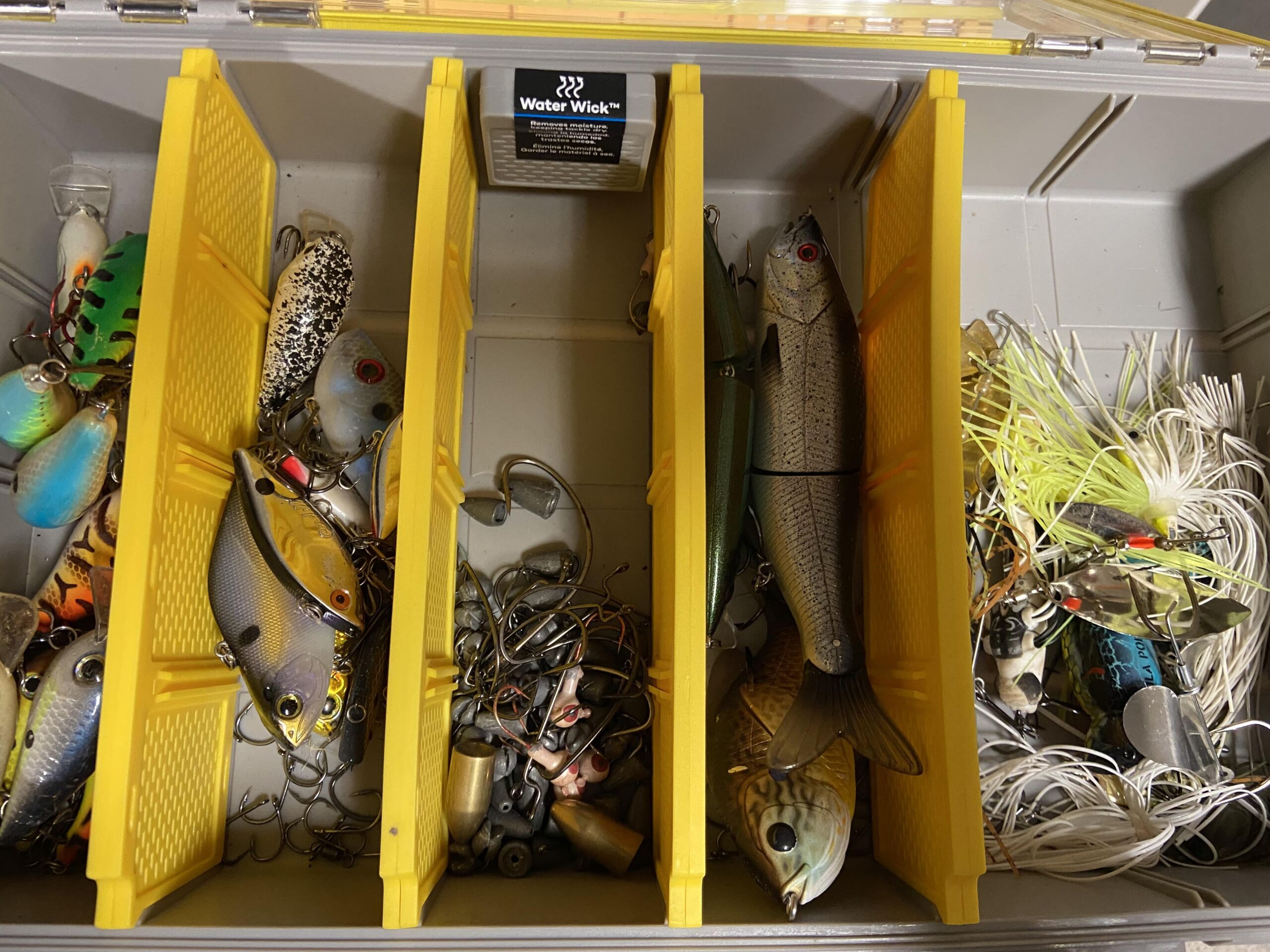
Fishing lures come in all shapes, styles, sizes, and types. While this gives you a lot of options when it comes to what type of lure you choose, it can make it harder for beginners to pick the right lure for the specific fish they’re targeting. Below, we’ll break down the most common types of fishing lures, how they work, and what they’re used for.
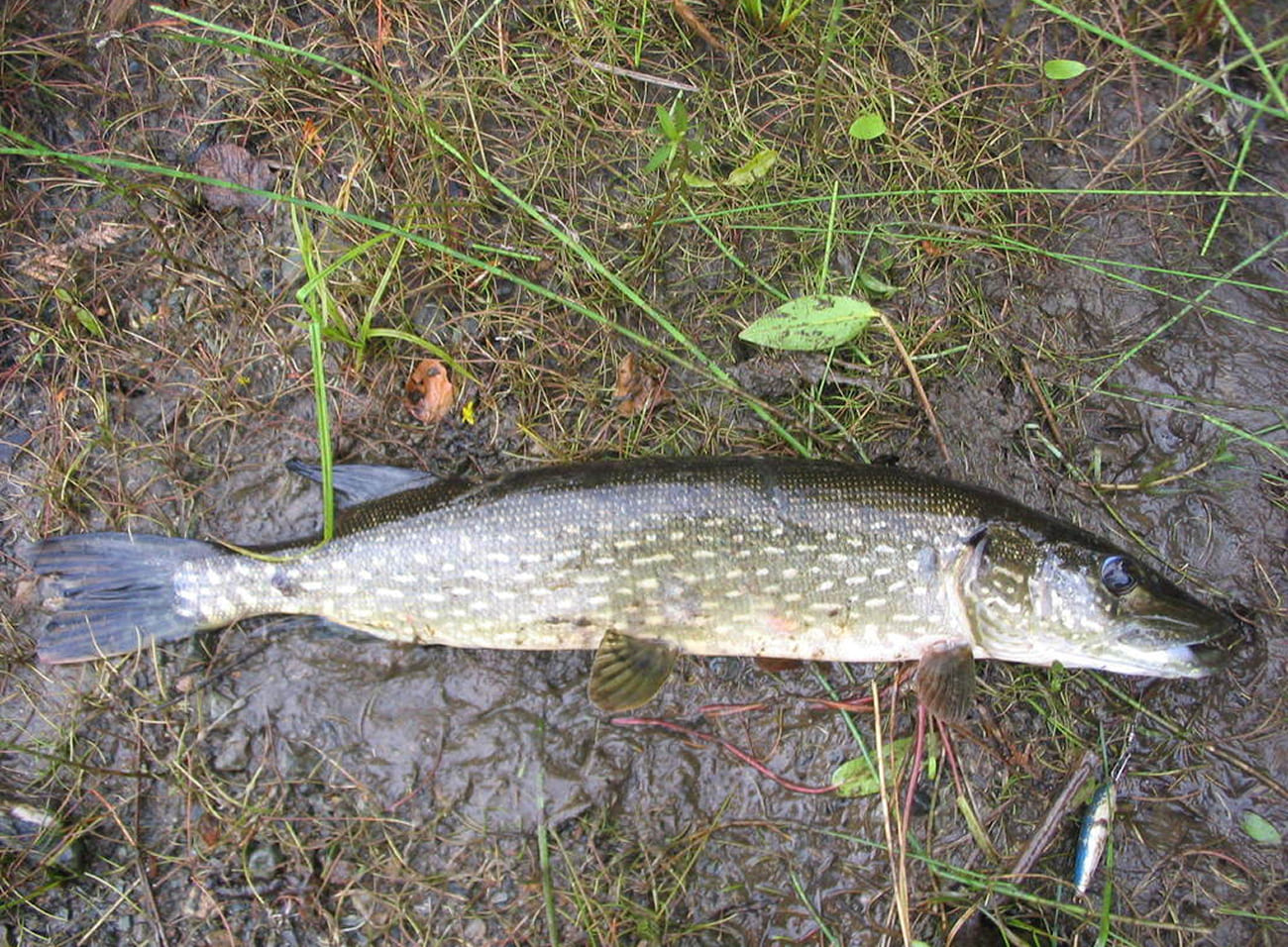
Spinnerbaits move horizontally through the water, and the metal blades and colored skirts create both a vibration and color attractant as they cut through the water. One of the most popular spinnerbait lures is the Blue Fox Classic Vibrax. Spinnerbaits are perfect for Panfish, Northern Pike, Largemouth and Smallmouth Bass, and Perch species.
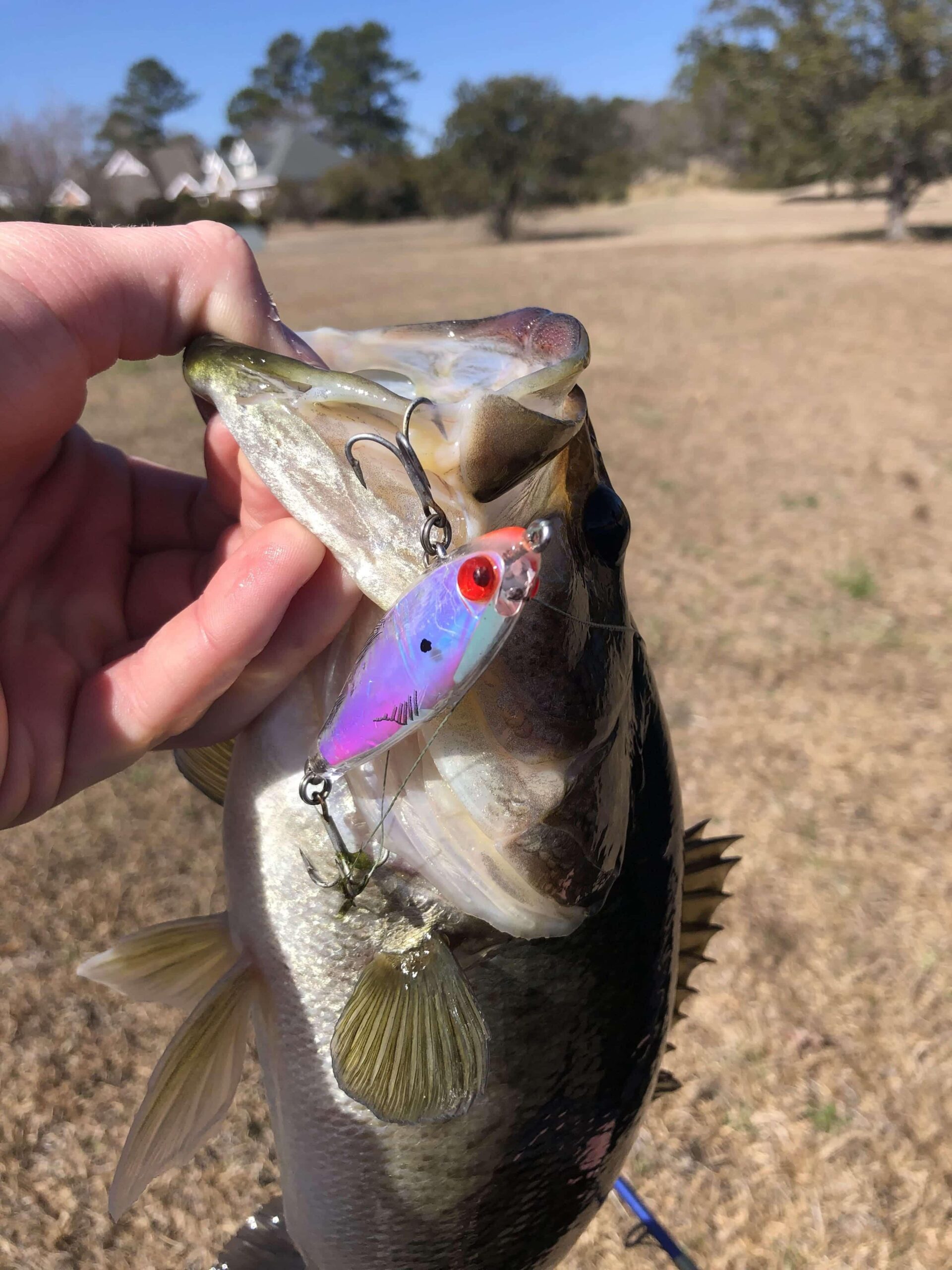
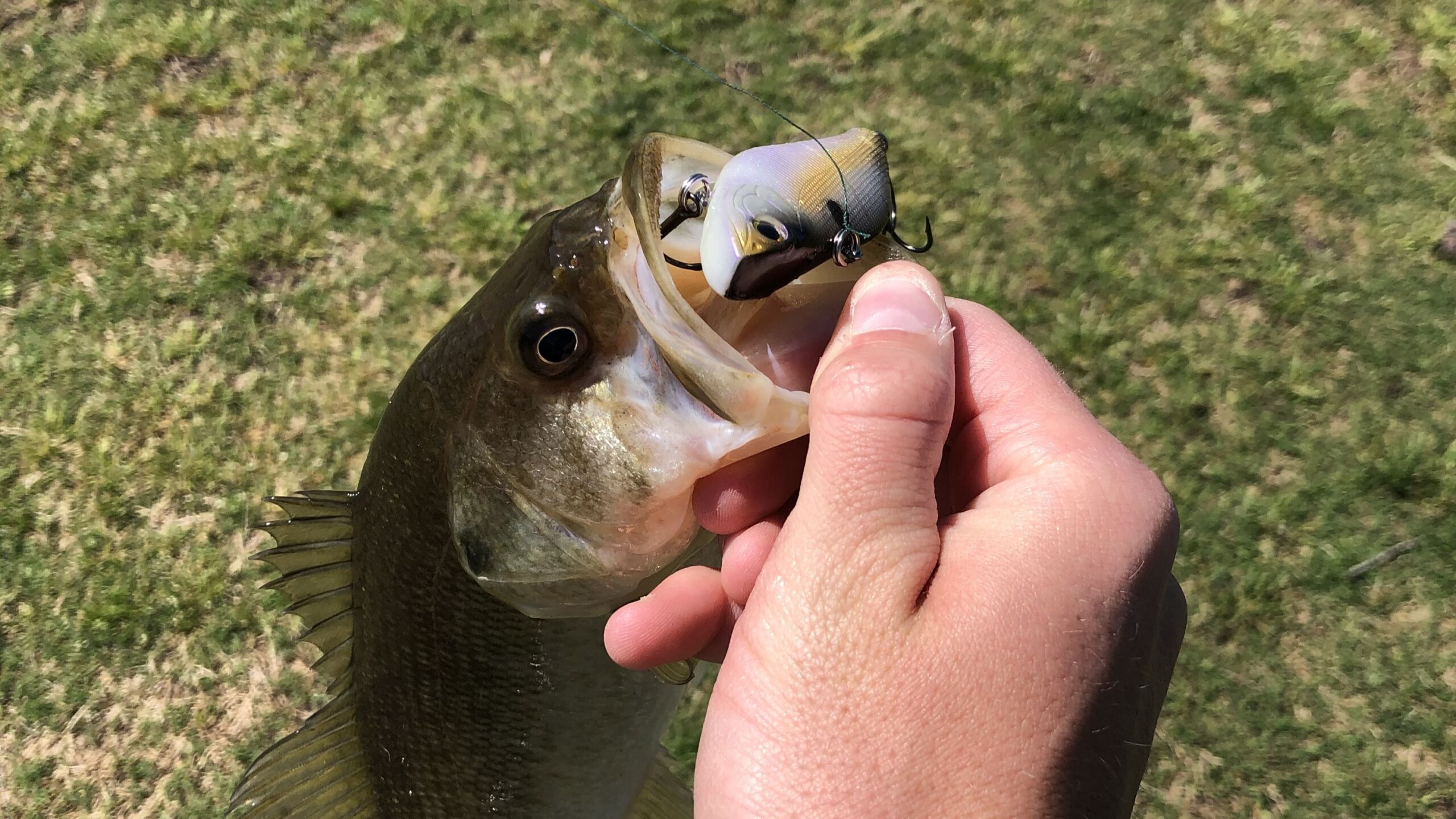
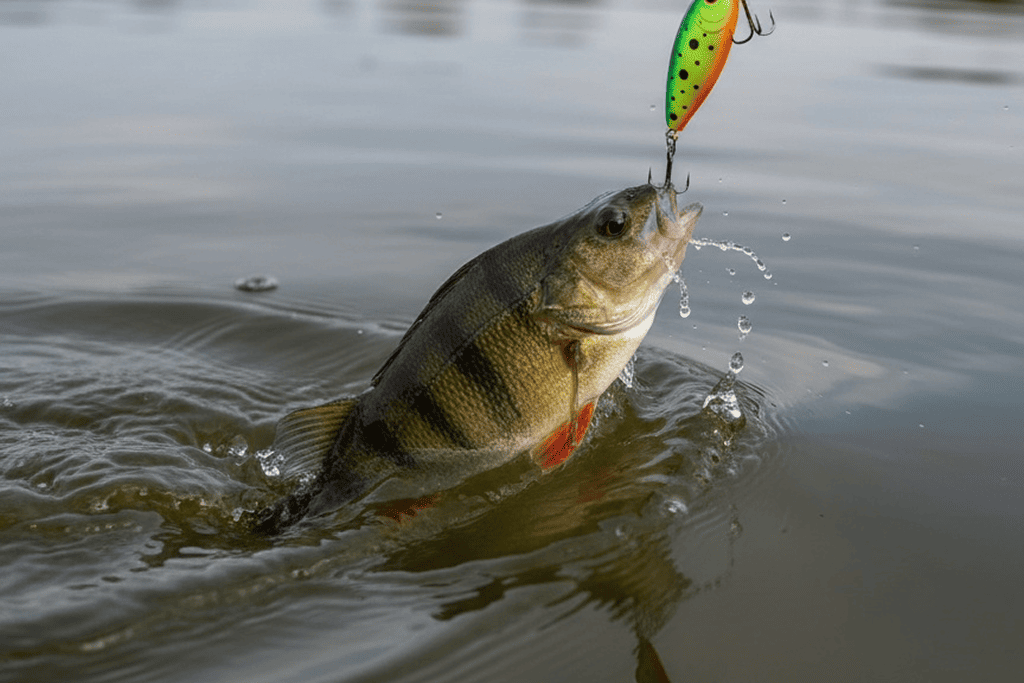
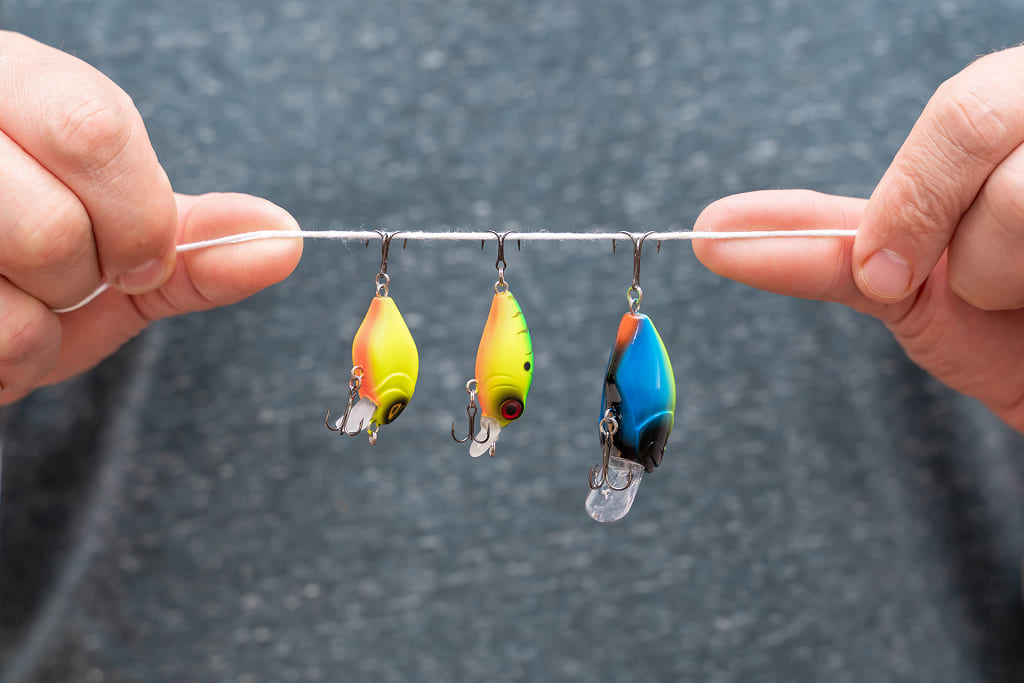
Crankbaits have a variety of sub-categories, including squarebills, medium diving, deep diving, finesse, and flat-sided crankbaits. Crankbaits are essentially any hardbody lure with a bill miming small crustaceans as they forage on the bottom, disturbing the mud or sand. However, while not as popular, there are also lipless crankbaits. Lipless crankbaits naturally sink to the bottom, while crankbaits with bills are designed to float. As you put tension on the line, the bill of the lure forces it to dive deeper. The bigger the bill, the deeper it goes. Crankbaits are suited to freshwater species such as Bass, Trout, and Walleye.
Jigs have a weighted head, typically part of a jig hook, which forces them to sink in the water, causing the plastic body to move or wiggle as it sinks or swims. Jigs commonly have a feather skirt or plastic grub or worm, which is threaded onto the hook’s body. Because of their weight, jigs are ideal for bottom-feeding fish or fish feeding close to structures that like to ambush their prey. Jigs work on various fresh and saltwater fish, including Flounder, Largemouth and Smallmouth Bass, Walleye, and Crappie.
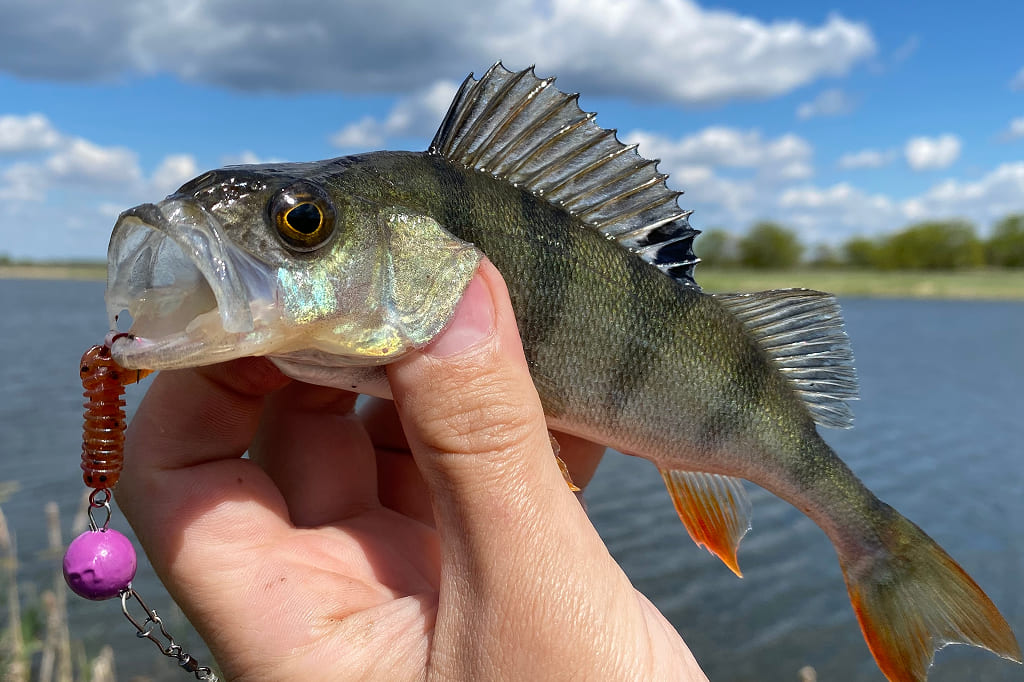
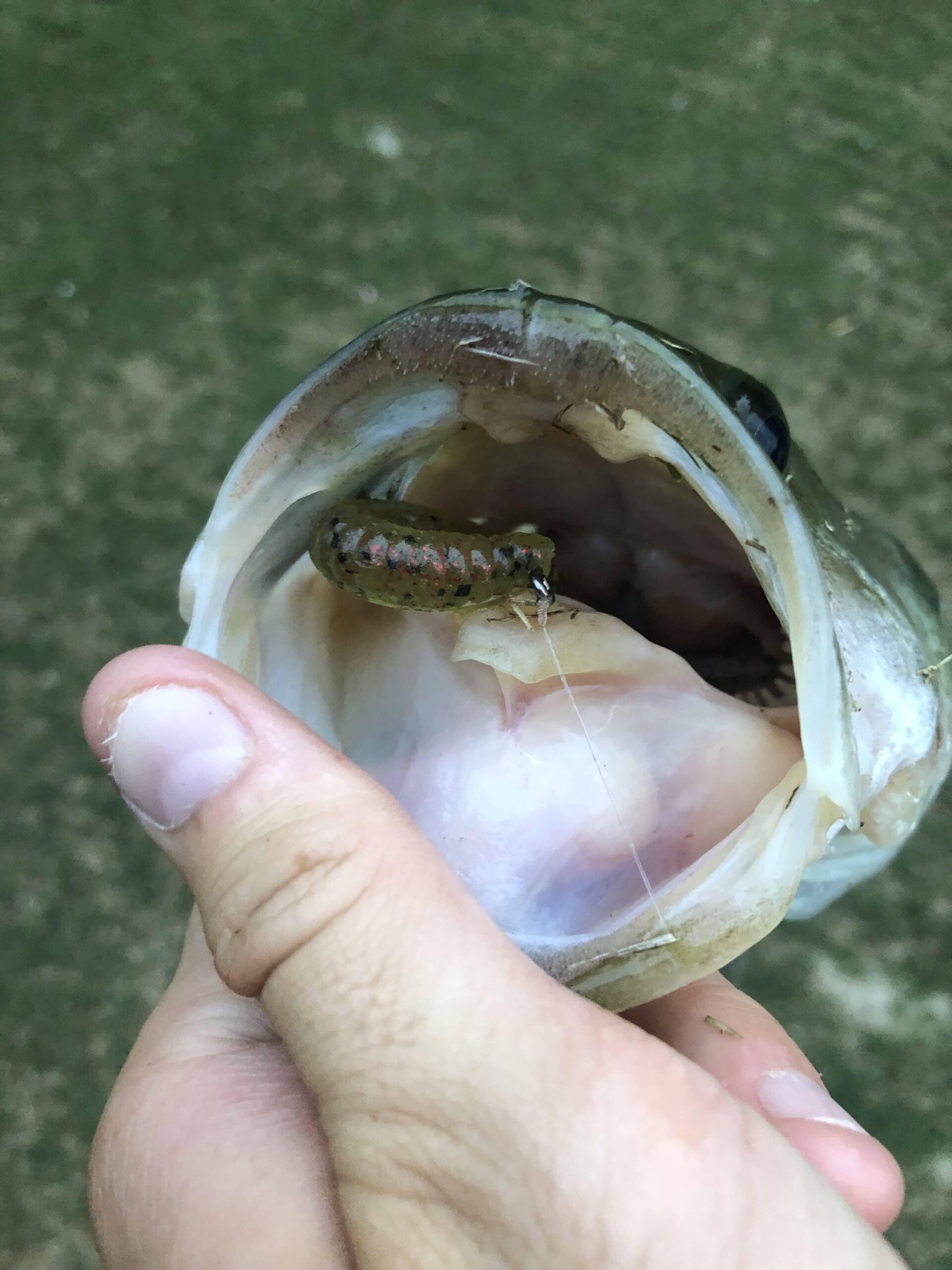
Soft plastic lures are fairly new compared to many other types of lures, which have been used for hundreds of years. Available in hundreds of different body shapes and styles, as well as colors, patterns, and sizes, soft plastics can mimic almost any type of food source and give anglers a lot of versatility when fishing. They’re also very affordable, making them an excellent choice for anglers on a budget. Thanks to their color and size variations, soft plastics are ideal for almost all saltwater and freshwater species, but mastering the action of soft plastics can take some time.
A spoon is a curved, concave metal lure closely resembling an ordinary spoon. Originally, spoons were just spoons with the handle cut off, hence their name. Because of their shape and reflective nature, spoons wobble and flash as they move through the water, attracting fish as they resemble an injured baitfish. Spoons can be cast or trolled and are great for almost all freshwater and saltwater fish species.
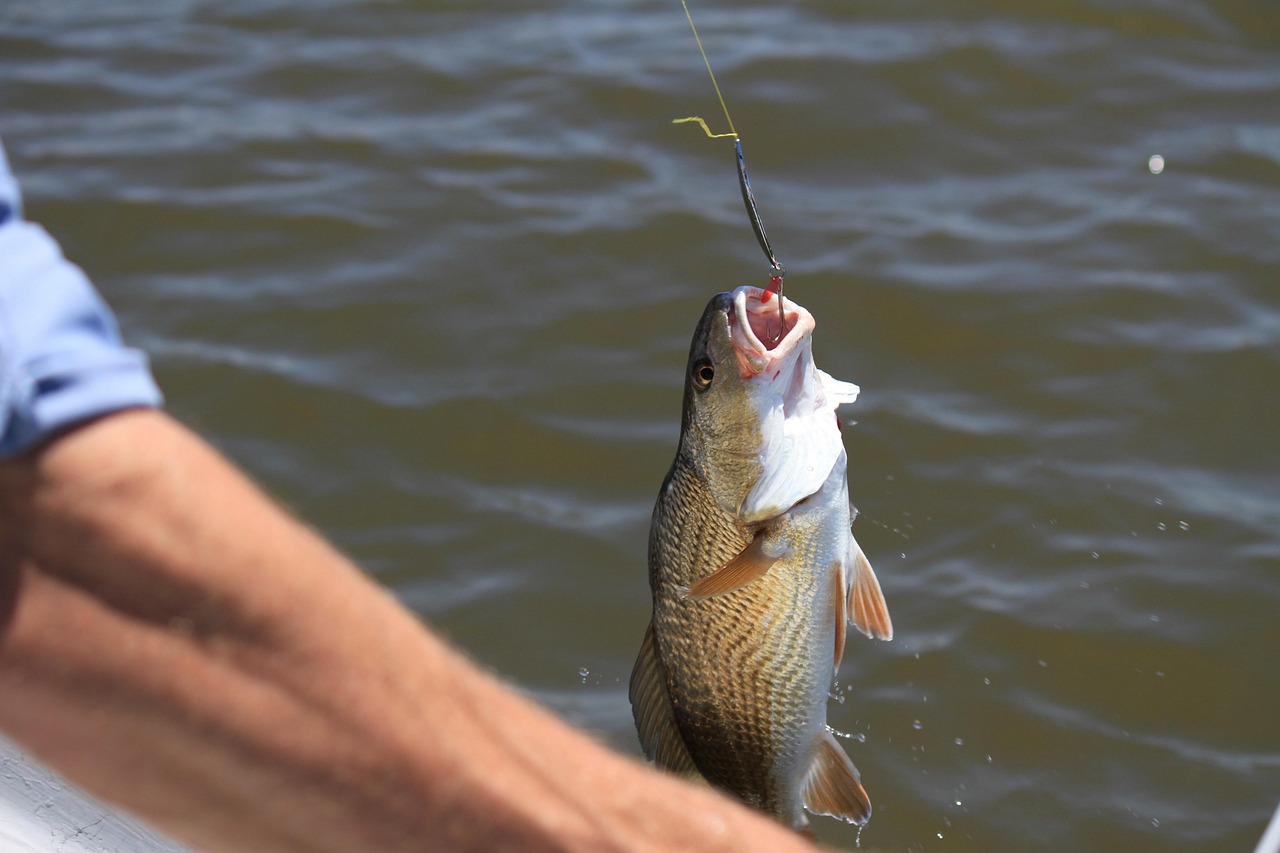
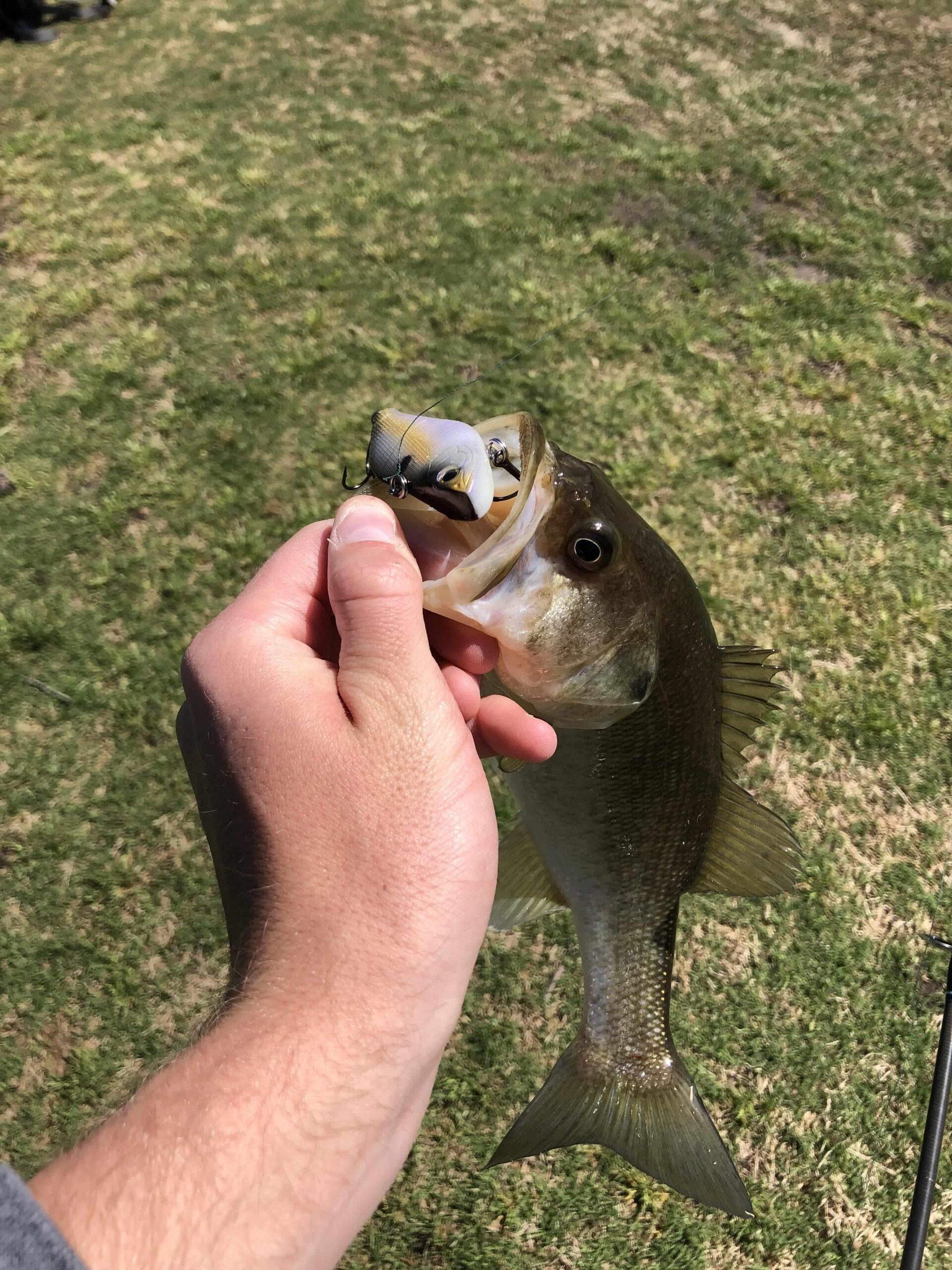
Topwater baits include poppers, buzzbaits, hollow-body lures, and just about any soft plastics or lures which are designed to float and be retrieved along the surface of the water. Topwater lures such as poppers can be used in both fresh and saltwater, but most topwater lures are used by freshwater anglers to target species such as Largemouth Bass, Walleye, and Northern Pike.
Flies are most commonly used by fly-fishing anglers but can also be included as an attractant when using other types of lures. Flies consist of one hook, with the fly tied around the body of the hook and tied in a way to mimic a specific fly, bug, fish, or insect. The most important thing to remember when selecting your fly is to match the hatch. Take five minutes, look around the area, and match your fly to the insect the fish feed on. There are various types of flies, including dry flies (floating), wet flies (sinking), nymphs, emerging flies, and streamer flies. Flies are ideal for Trout, Salmon, and most freshwater fish, along with a variety of saltwater fish such as Bonefish, Tuna, and Barracouta.
The swimbait category of lures includes glide baits, multi-jointed swimbaits, and large soft plastic swimbaits. Swimbaits are either hard or soft-bodied, and some come pre-rigged with hooks, and some do not. Swimbaits are often used to target larger species, such as Bass, Striped Bass, and Muskies, which are a little more reluctant to take traditional lures.
Blade baits or bladed jigs are weighted to produce a vibration as they are retrieved through the water. The aggressive motion and vibrations paired with color and flash are extremely effective at luring in large predatory fish, especially giant Bass. Blade baits are effective on Walleye, Bass, and Northern Pike.
When you’re choosing fishing lures, there are three factors you need to consider, these include:
All of these factors will determine what lure you choose. In the section below, we’ll go into each of these factors in more detail.
When you know what fish species you’re targeting, you’ll be able to dramatically narrow down your lure choice. Most predatory fish feed on a specific bait, typically the most common and abundant food source in their area. Matching the hatch is a fly-fishing term, but it applies to lure fishing as well. If you match your lure choice to the food your target species is feeding on, they’ll be more likely to strike it compared to something they’re not familiar with.
Fish behavior changes depending on the season. During spring, a lot of fish are spawning, which means they’ll be more aggressive in their feeding patterns and behavior as they head into the spawn, often moving close to shore. After the spawning, they’ll be in recovery mode, trying to regain the weight lost during the spawn activity.
Water temperature plays a significant role in fish behavior and, ultimately, lure choice. On hot summer days, when the water temperature is hot, fish will move to cooler deep pools which means a deep-diving lure will be a good choice. When the water is cooler in winter, fish may be feeding in shallow water closer to shore.
Every body of water is different. Water can be transparent or murky, full of snags and weeds, or clear and unobstructed. In clear water, you can choose more natural lures with natural coloring and marking. In water, that’s not as clear, but brighter, more vibrant lures are a good choice.
A simple spoon is commonly regarded as one of the most versatile lures, giving anglers the opportunity to target most freshwater and saltwater fish species.
If you’re fishing in saltwater, washing your lures after use to remove any excess salt is an effective way to ensure they last a very long time. Some components of your lures, including hooks and split rings, may need to be replaced over time, especially if you’re fishing in salt water or fishing in areas with a lot of snags where hooks can be bent or damaged.
Yes! A lot of lures will work effectively on both saltwater and freshwater fish species, especially lures with universal coloring such as silver, gold, or bronze.
Now that you know the pros and cons of lure fishing, along with the different types of fishing lures and the best lures to use for different species, you’ll be much more prepared to head out on the water with a spinning rod and lure ready to tackle some serious fish.
Before you take your rod and lures out fishing, be sure to check your local fish and wildlife regulations to ensure that you not only have the correct license but that you’re also aware of season, size, and bag limits. When you finish fishing for the day, leave the areas clean, if not cleaner than you found it. If we all do our part to be responsible anglers, we’ll ensure that future generations of anglers can enjoy the same, if not better, fishing opportunities.
If you’re new to lure fishing, the premium fish forecasting application Fishbox App will put you in the perfect position at the right time by carefully analyzing local weather and water conditions along with input from anglers. The Fishbox App utilizes accurate weather, tide, and fishing conditions to predict the best time to get out on the water to catch your target species.
Are you an experienced angler who’s spent a lot of time targeting fish with lures? Then, drop a comment below with your advice and tips for new anglers. We’d love to hear your feedback, and your tips could just make all the difference for a new angler just getting started.
Over my many years of fishing experience, I have used quite a variety of lures. That being said, I was extremely excited to read this article. The article opens with a brief introduction detailing the popular use of lures and how they are supposed to function as substitutes for live bait.
The article continues into the section where we get a discussion of the different pros and cons of using lures for fishing. One of the pros that I particularly liked is the fact that you can absolutely sling a lure without the risk of the bait coming off (assuming you have a strong enough line and your knots are sufficient). With live bait fishing, I often find myself very restricted in casting distance because, at a certain point, your bait will inevitably just fly off the hook. Another important pro that I liked was the fact that lures allow you to target a species better than live bait. For most, but not all, species of live bait, quite a few different predatory fish can eat them. While this is somewhat true for artificials, I would definitely agree that artificials give you a better targeting probability than live bait.
One of the cons that I really liked is the fact that lures are going to get snagged more. This is not just due to the fact that lures often have more hooks than live bait, but they also have to be through closer structure and snags to often find the bite. While this does pay off a bit of the time, I definitely have lost my fair share of lures to snag under or even over the surface of the water.
The article then continues into the next section, which actually breaks down many of the different kinds of lures, giving names and brief descriptions of a plethora of different fishing lures. Of these many different kinds of lures, I want to highlight the three that I generally love to target almost every species with, both salt and freshwater.
First off, spoons and spinnerbaits. They have virtually the same function, but I would say spoons are more for saltwater, whereas spinnerbaits are more for freshwater. They both do an exceptional job creating life-like bait flashes, which often elicit reaction strikes from hungry fish. Additionally, you cover a ton of water with these fast-moving baits.
Second, soft plastics. Soft plastics are very near and dear to my heart as I feel they can very well resemble popular live bait. There is also so much diversity in the category of soft plastics, which is something for everyone and every species.
Third, I love using top water. Topwater baits are so fun simply because of the fish’s strikes on them. There is nothing that beats a topwater explosion, and I mean nothing. In salt and even fresh water, topwater blowups are extremely fun to watch, which is why I personally love to use them. Additionally, I think these baits do a great job mimicking a struggling fish on the top of the water or something along those lines.
The second to last section of this article talks about choosing the right lure based on conditions. This is extremely important, and honestly, it took me far too long to figure it out. However, once I did, looking at things like weather, species, time of year, tides, watercolor, and more, I found myself having far more success on the water. So, I would highly encourage you to pay attention while reading this section.
The last section of this article briefly goes into some popular questions. This is a super helpful resource, and I would encourage you to look at a few of these interesting questions as they could help you out on the water. I hope you guys have enjoyed reading this article and these comments. As always, good luck and tight lines!