
Any question about the article?
Please use your work e-mail, so we can connect with you
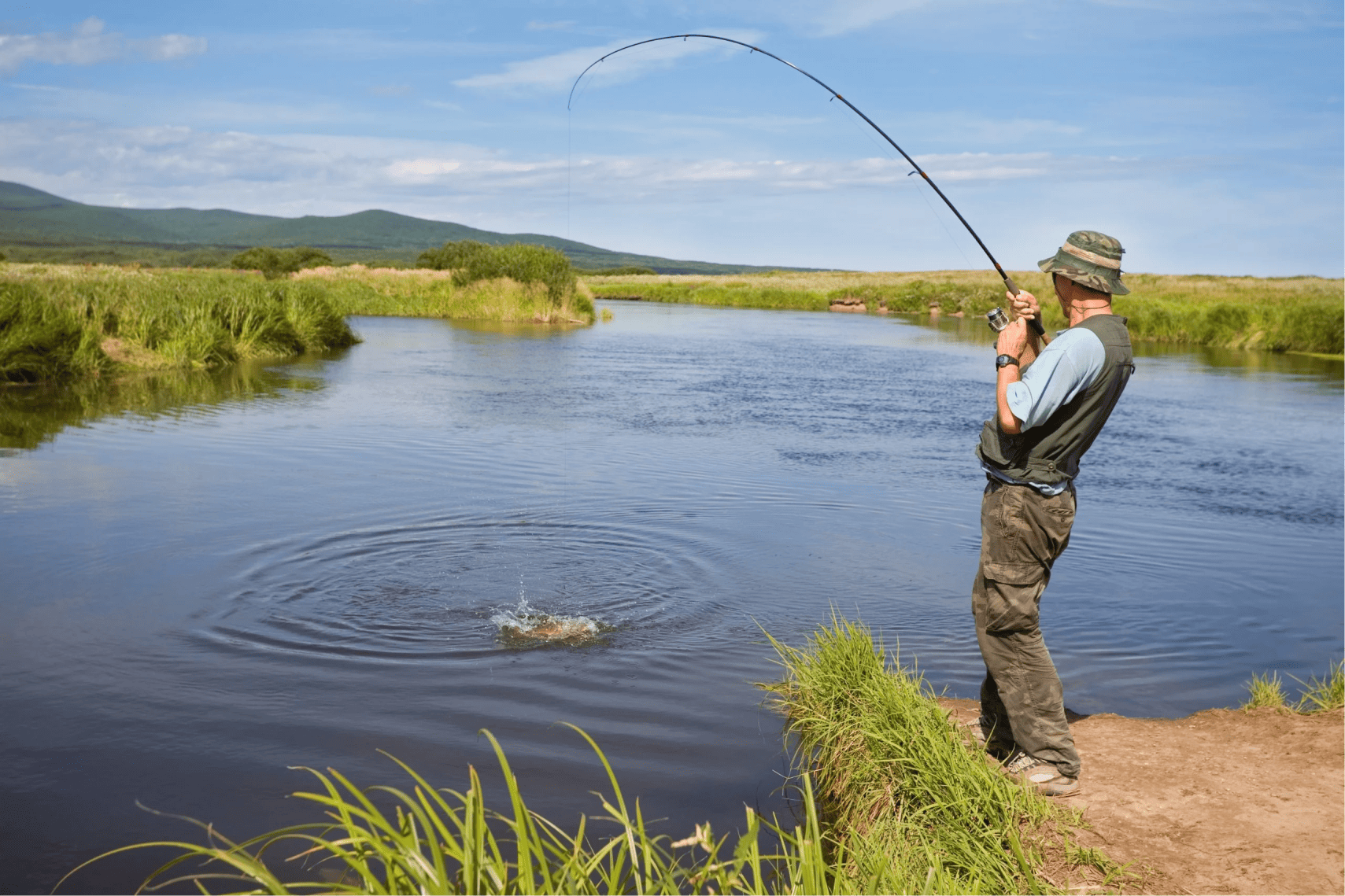
For years, freshwater fishing has captured the hearts of many anglers as they look to get out and explore nature. By far and away, freshwater fishing presents the most affordable and accessible fishing options allowing anglers almost everywhere in the country to pick up their rod, go for a quick drive, and in a relatively short amount of time, have a line in the water. Because of the massive population of fishermen that fish the freshwater, there has been tons of demand regarding what are the best lures (artificial baits) to fish with to yield the best results in local ponds, streams, rivers, and lakes. In this article I will be going over 3 main topics:
While fishing random lures at random times can sometimes result in catching fish, there is a far more efficient means of doing so. There is immense importance in choosing the right bait when fishing freshwater—you can’t just play roulette. This is precisely where the Fishbox App comes in. Fishbox takes in scientific data from anglers all over the world to create a database and prediction mechanism that gives anglers insights into the best locations and times for fishing. Fishbox is essentially your own personal, local guide whenever you go fishing, giving you that extra insight needed to land the catch of a lifetime.
Let’s break down the components of these baits even further by going into how to fish each of the freshwater baits listed above. It is just as important to have a healthy knowledge of the applications of your lures as it is to know about the species of the fish. First off, the baits listed above can be divided into (but not limited to) 2 main categories:
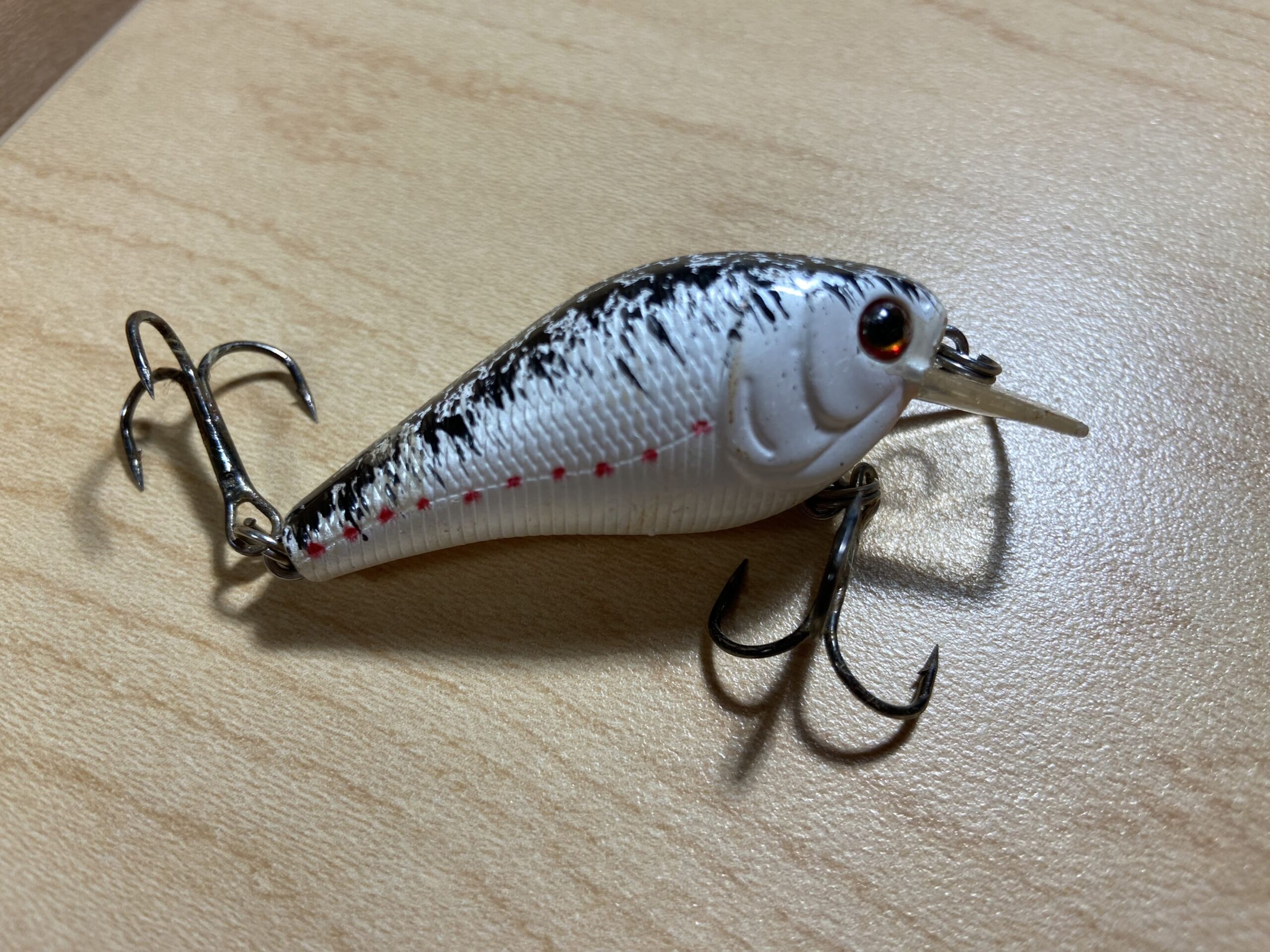
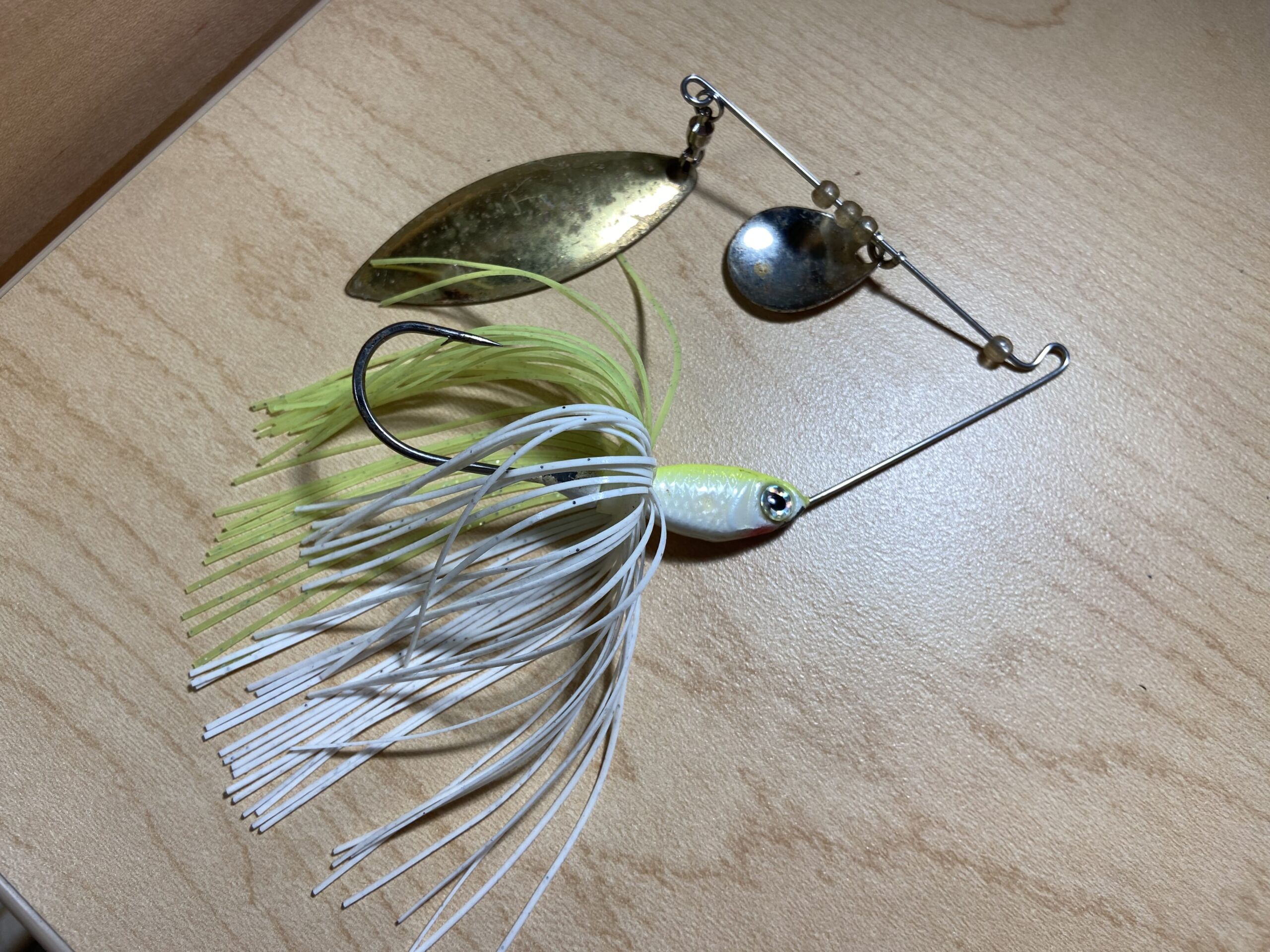
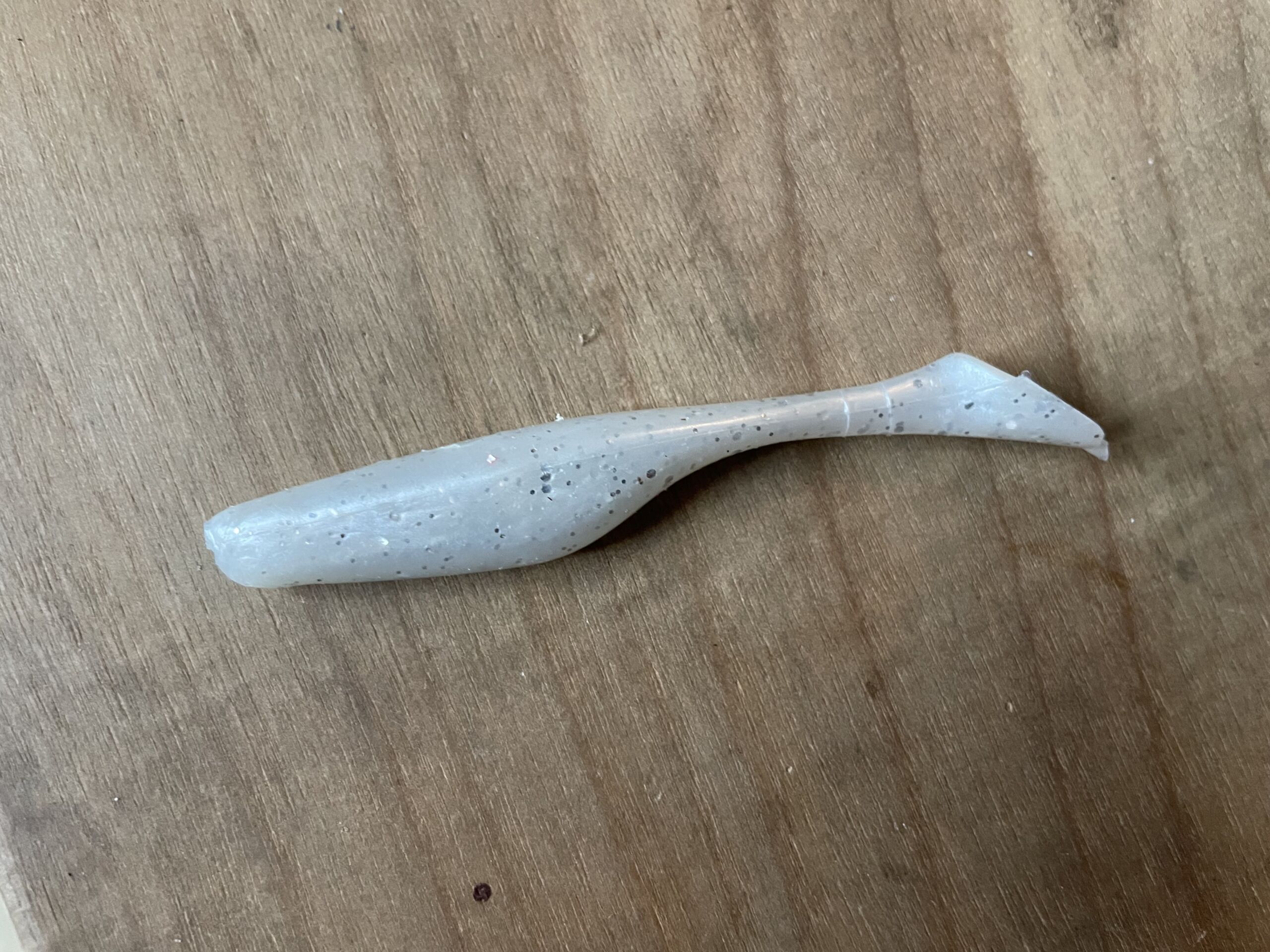
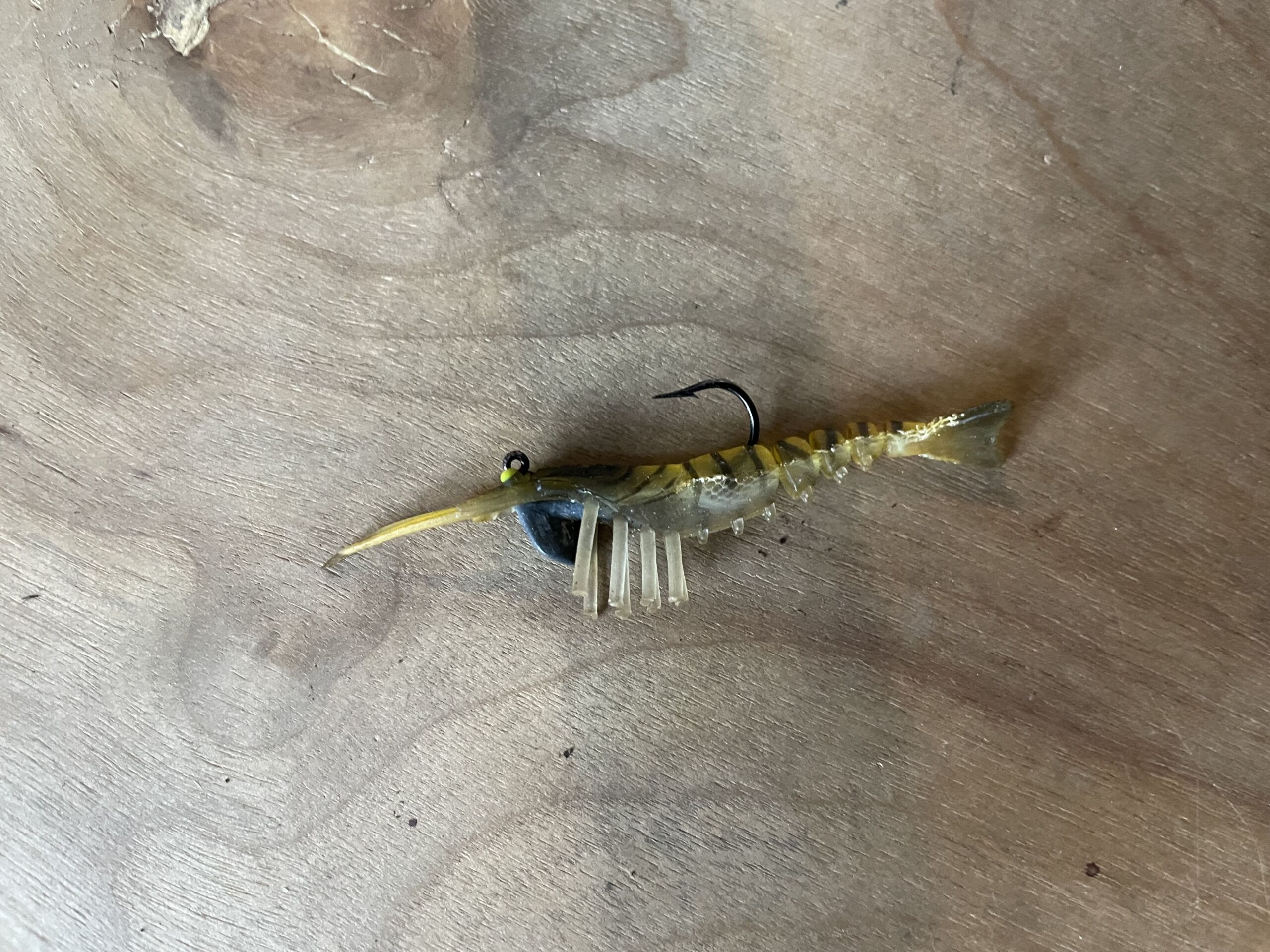
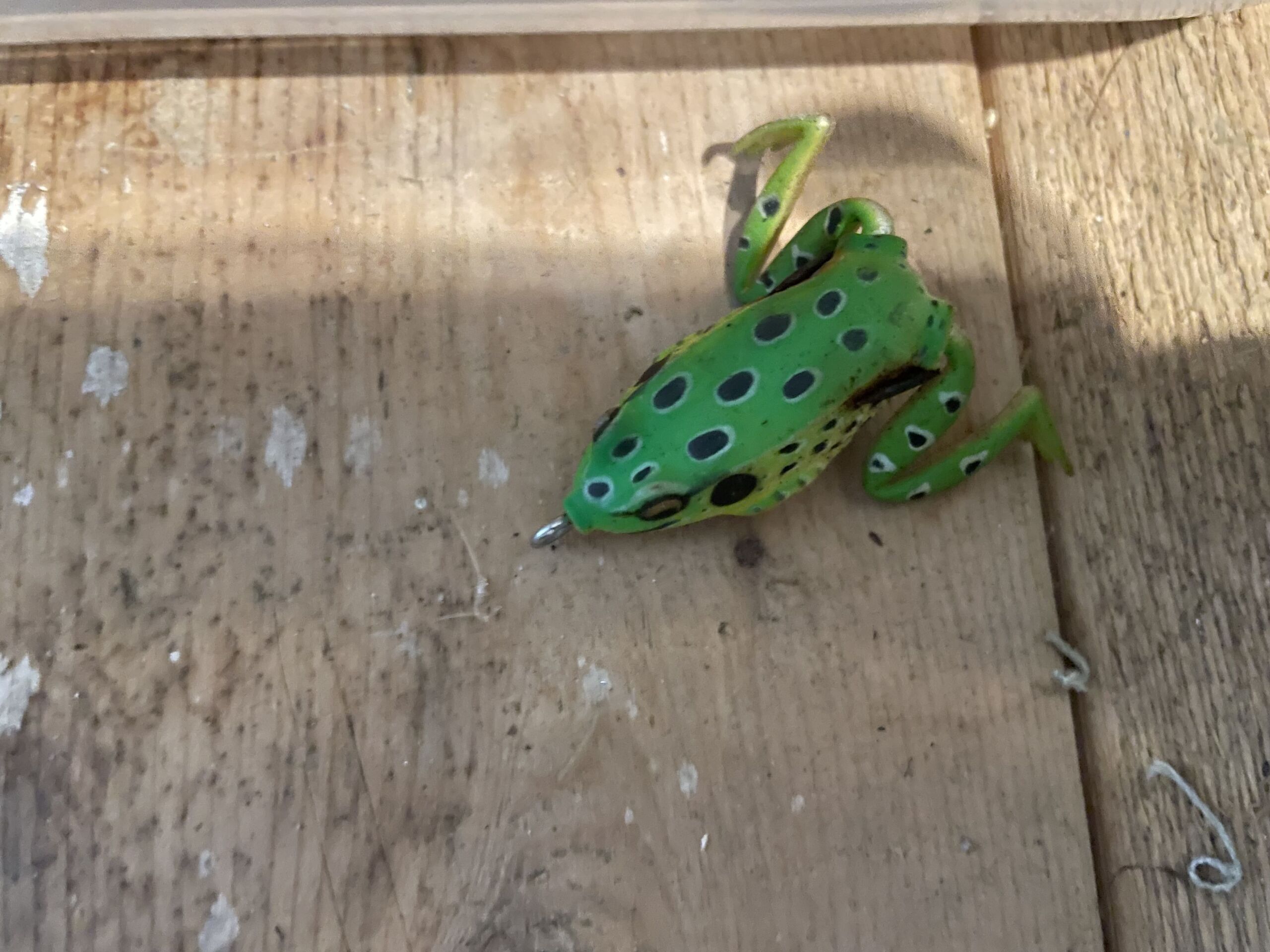
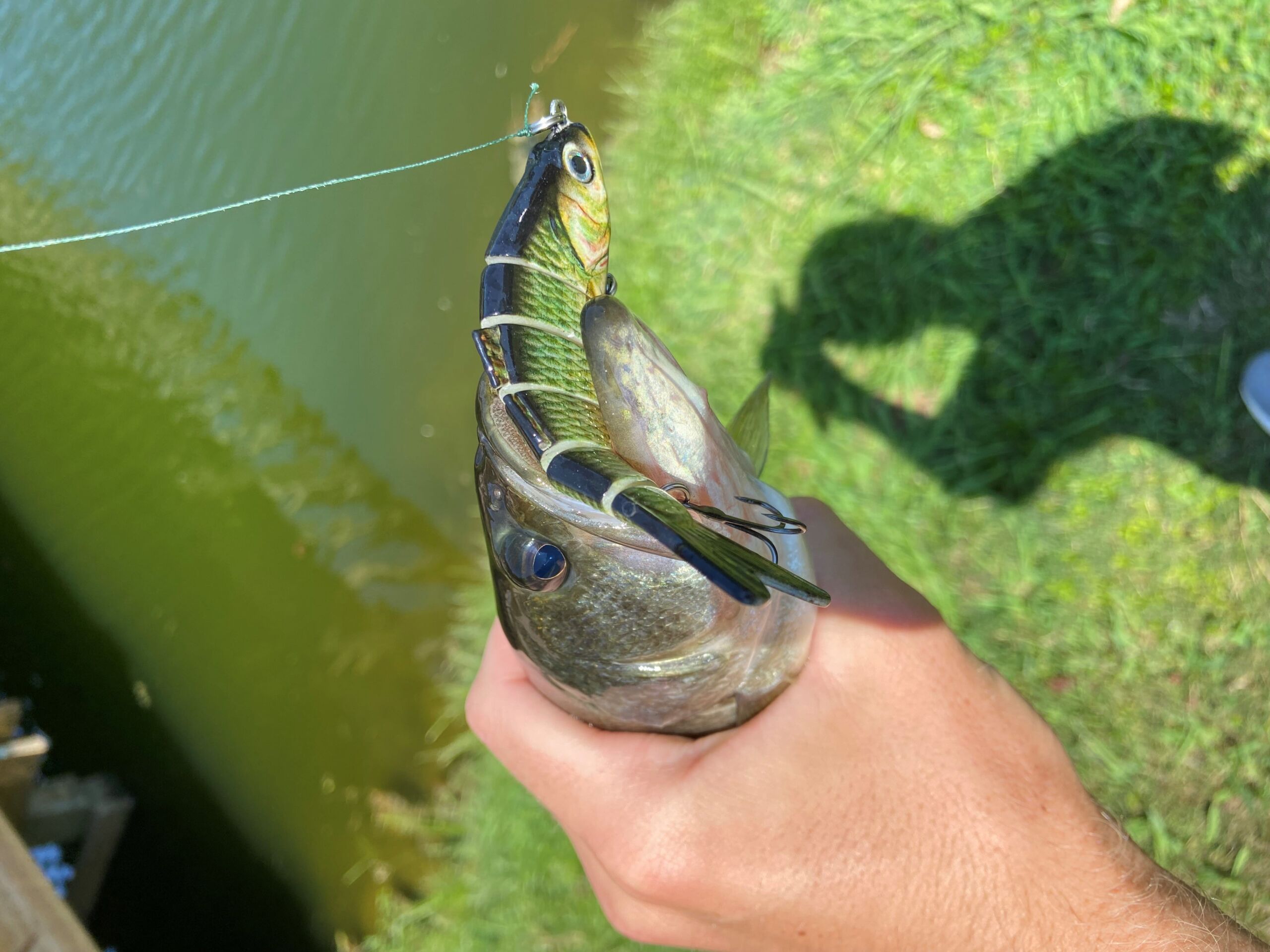
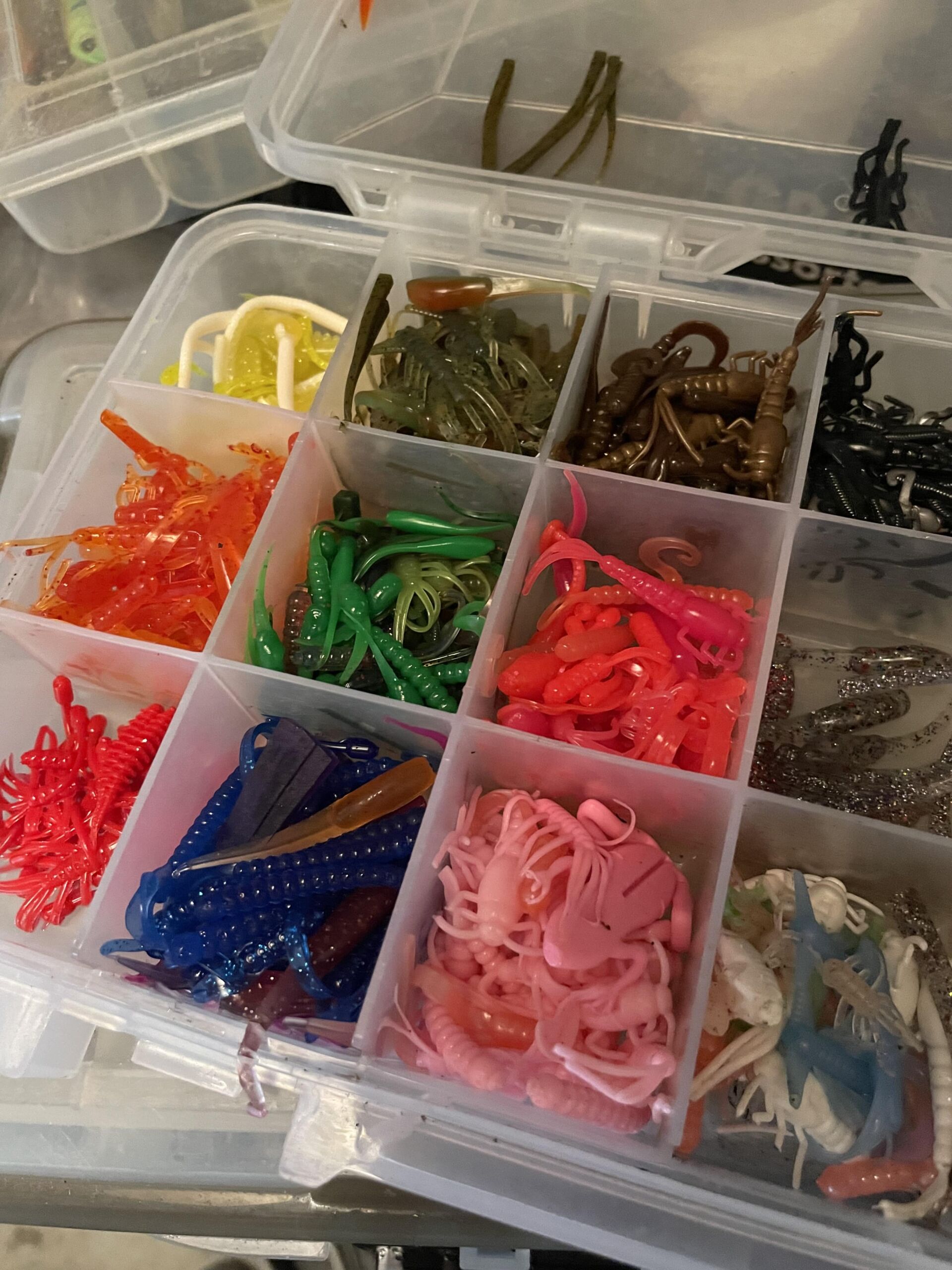
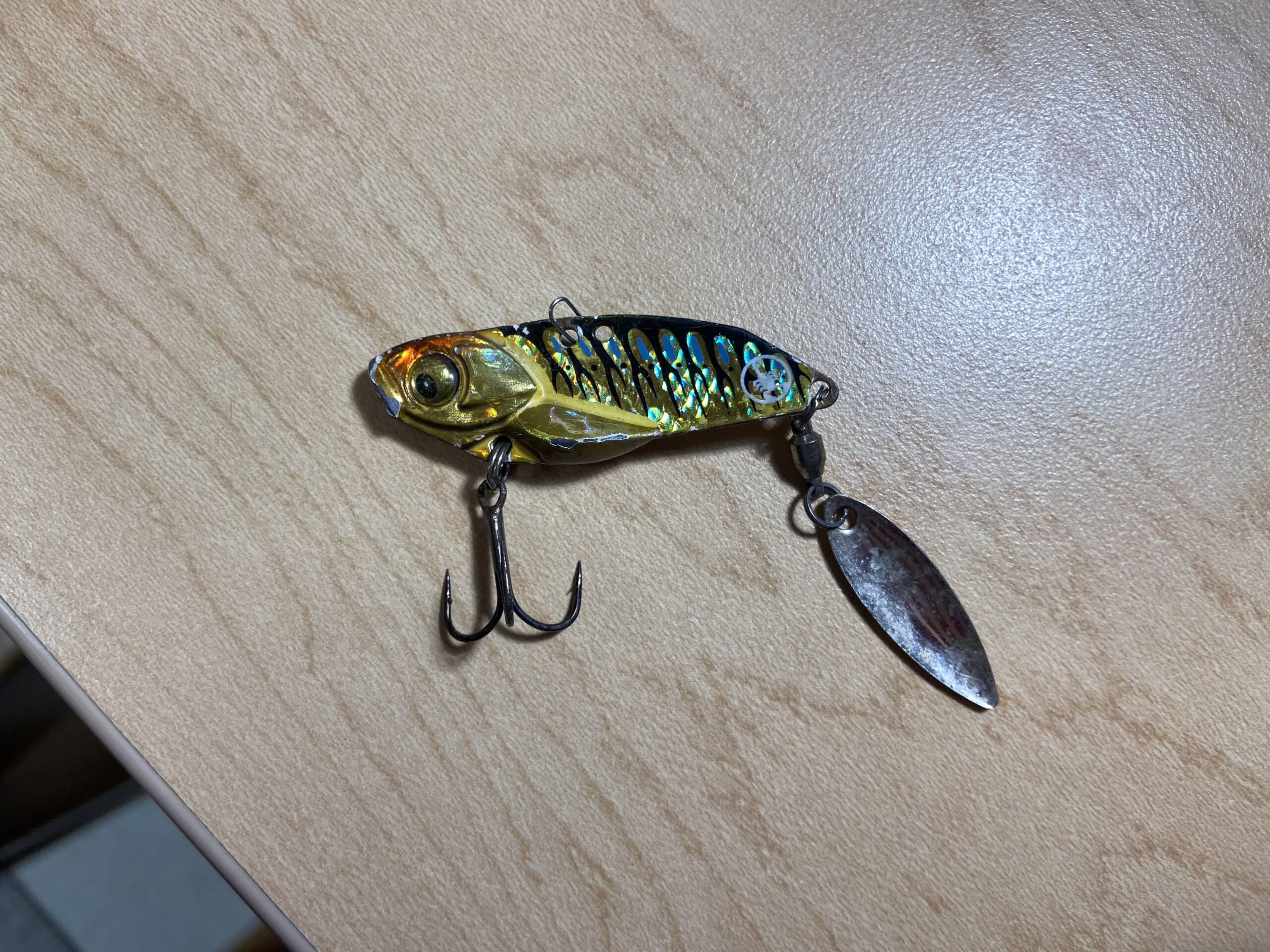
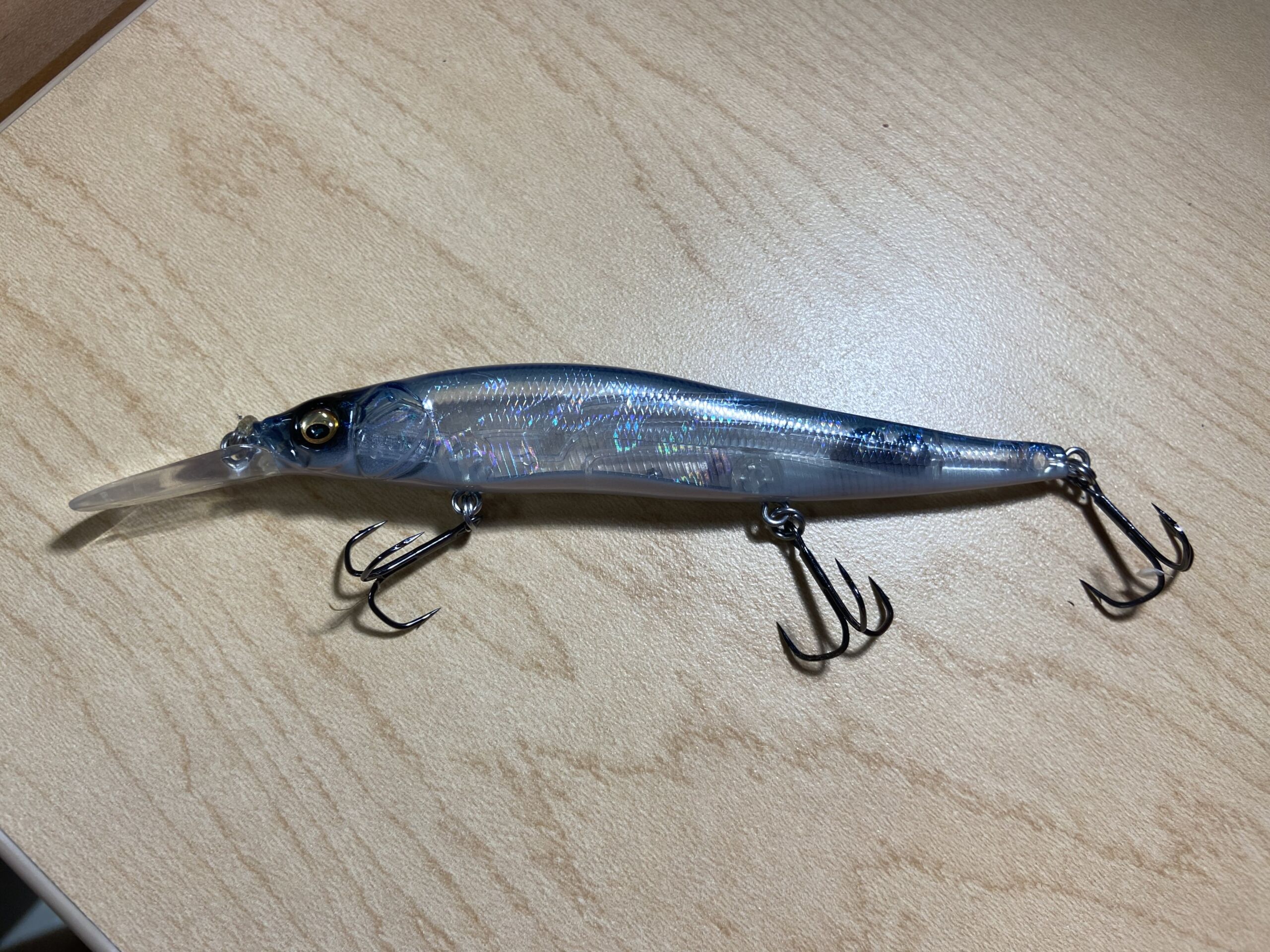
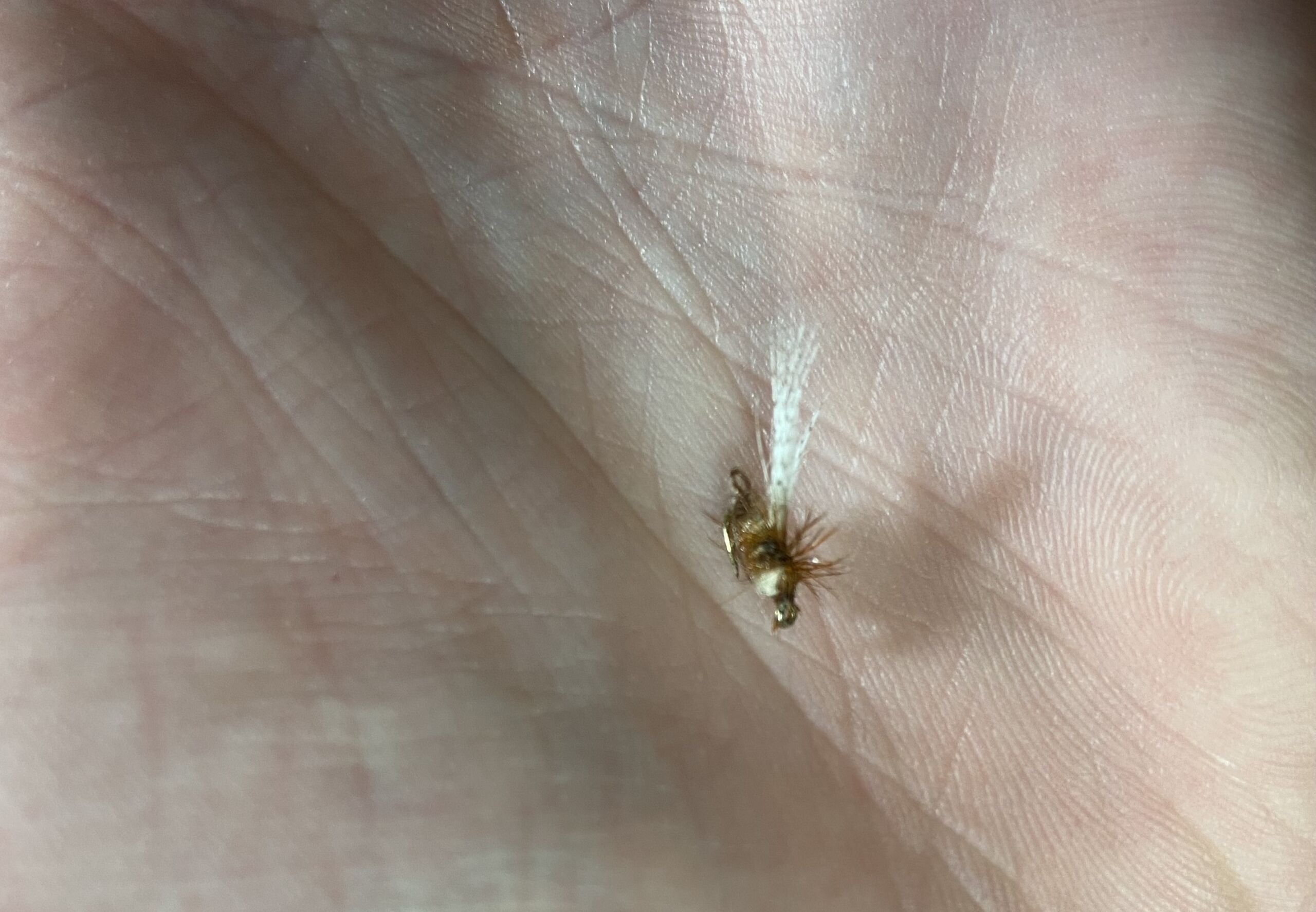
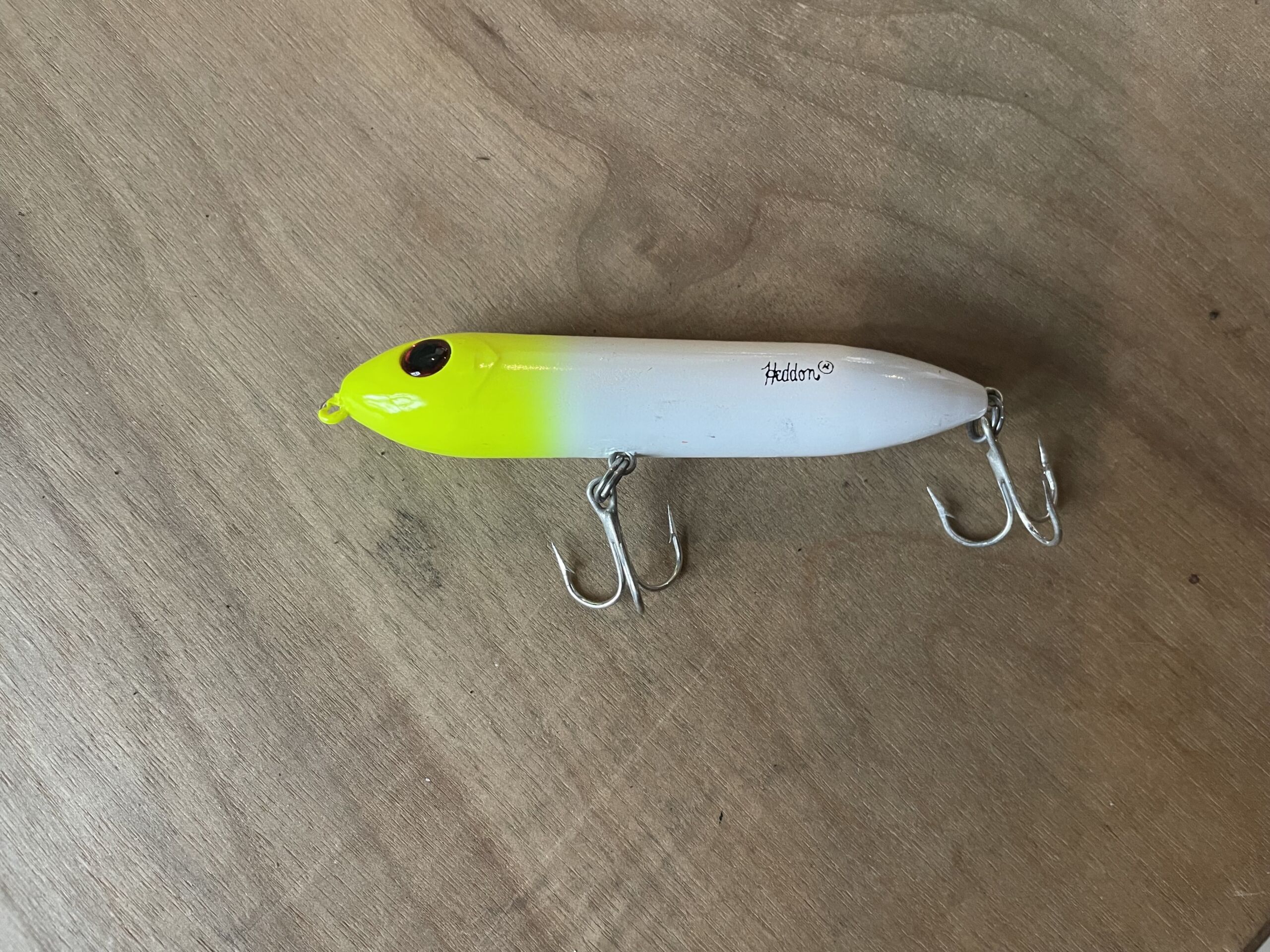
Contrary to popular belief, making your own fishing lures is relatively inexpensive, fun, and quite useful. Hopefully, I can spark some creativity in you by recounting some of my experience with making my own freshwater fishing lures in three different examples.
I hope these three examples give you helpful insight into just how fun making your own baits can be. Who knows, maybe if it’s raining one day and you don’t have anything else to do, just get a knife and go to town on a piece of wood and try to make something out of it (quick note: I don’t recommend using part of the wood of your bed to do this, it makes Mom mad…don’t worry, I definitely haven’t done this…).
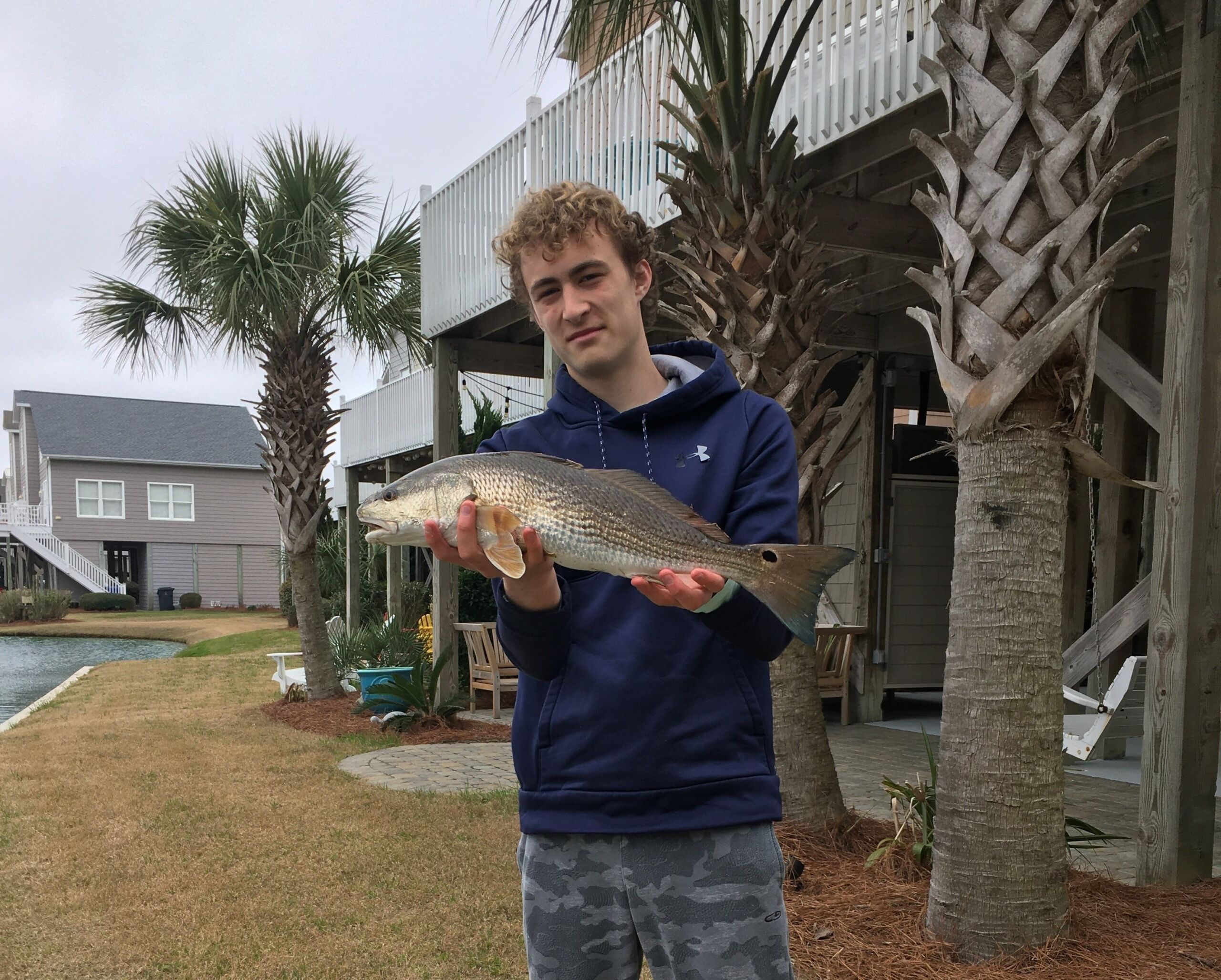
Read also: Best States for Fishing: A Comprehensive Guide for Anglers
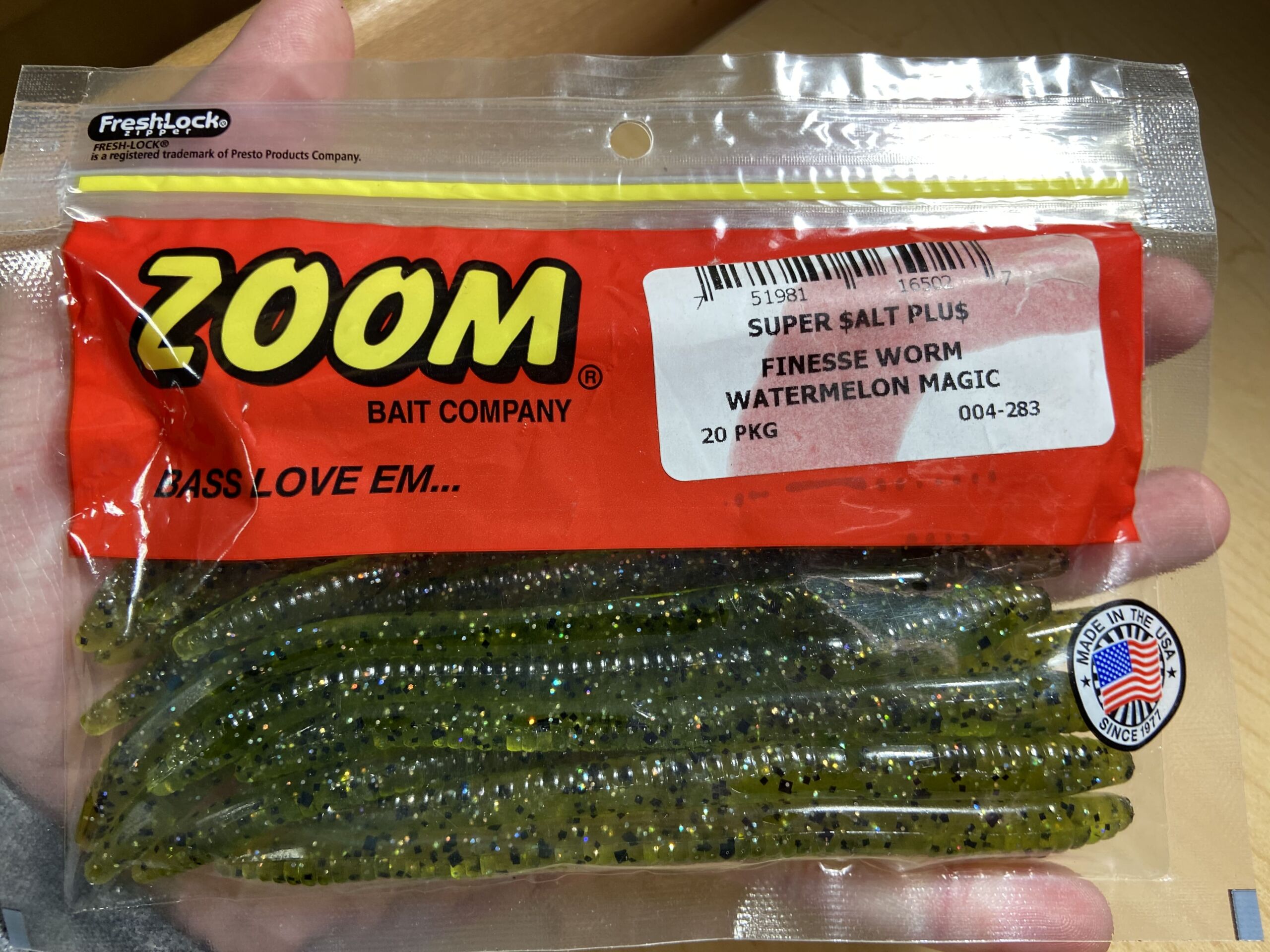
A soft plastic worm is most often considered the most versatile freshwater lure. This is due to the fact that there are not only many different kinds of soft plastic worms and color schemes out there, but also because they can be rigged in multiple ways and fished at different depths. Think of how many different ways they can be fished—wacky, Texas, drop shot, etc. Their versatility makes soft plastic worms effective for a wide range of species and water conditions.
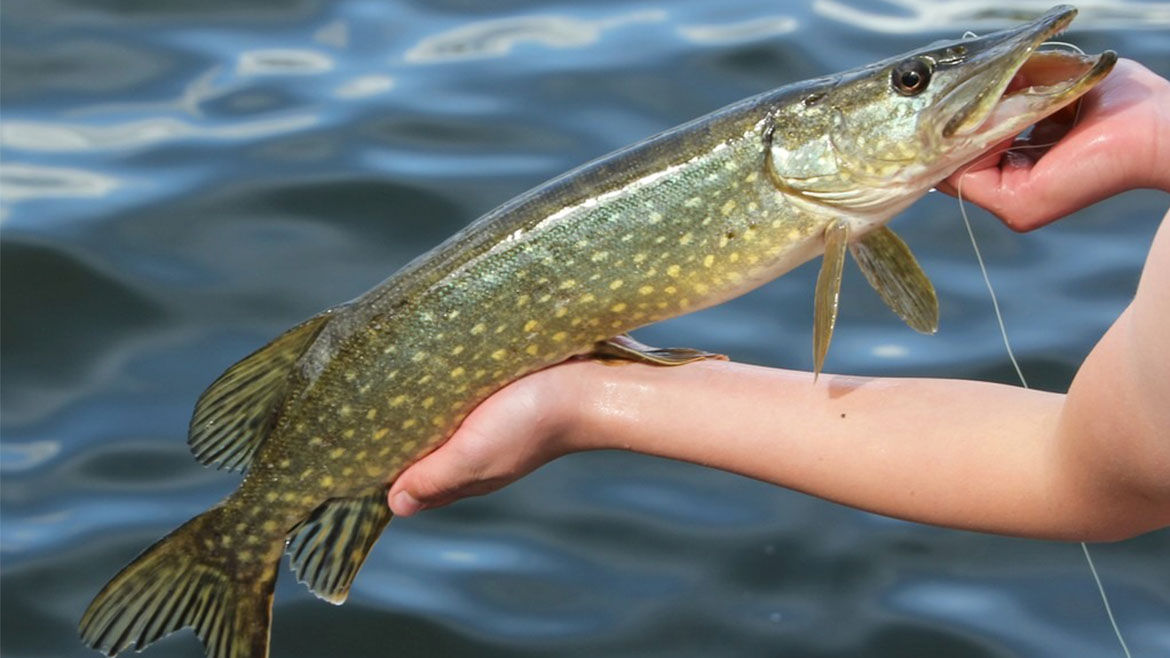
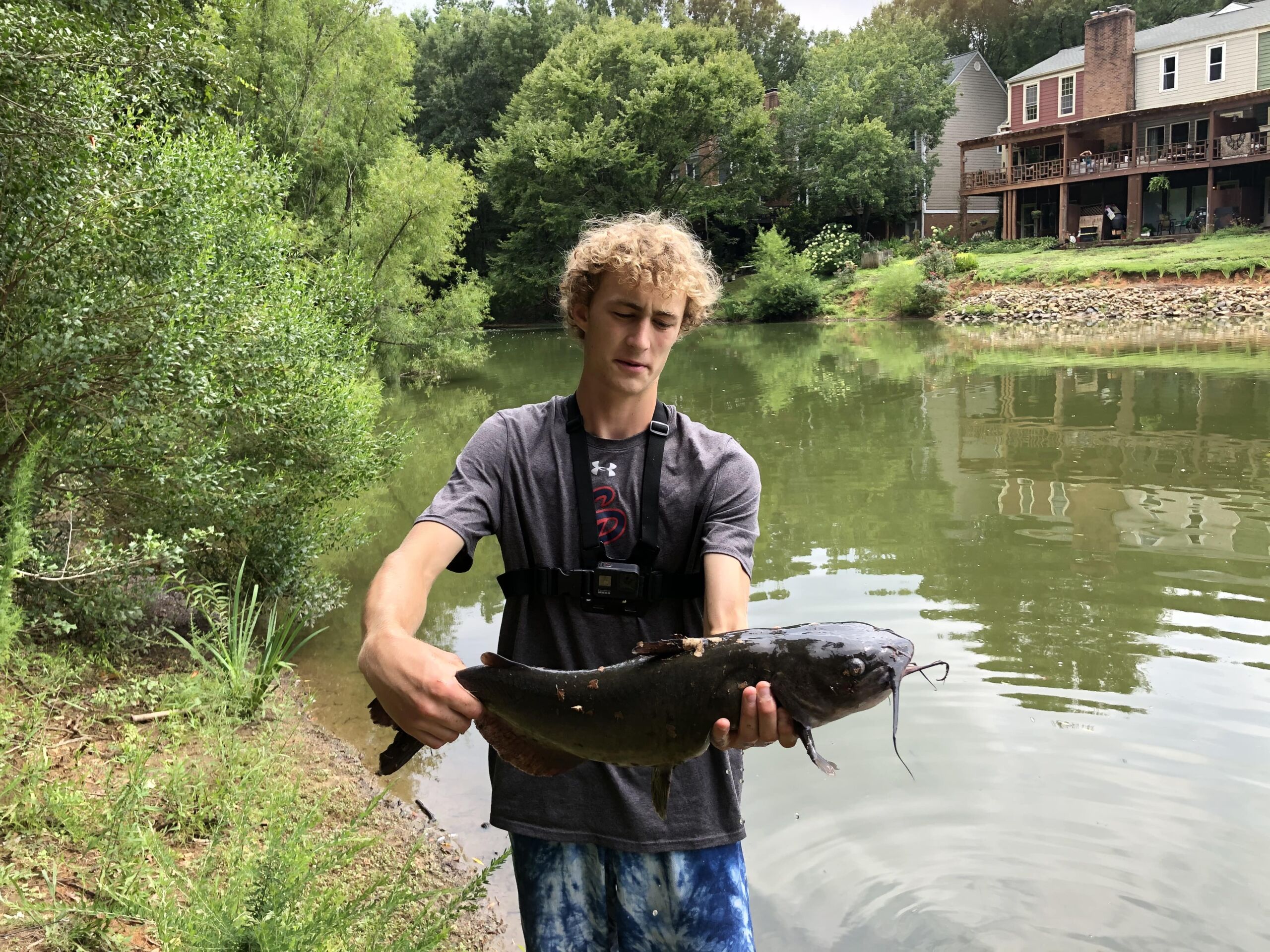
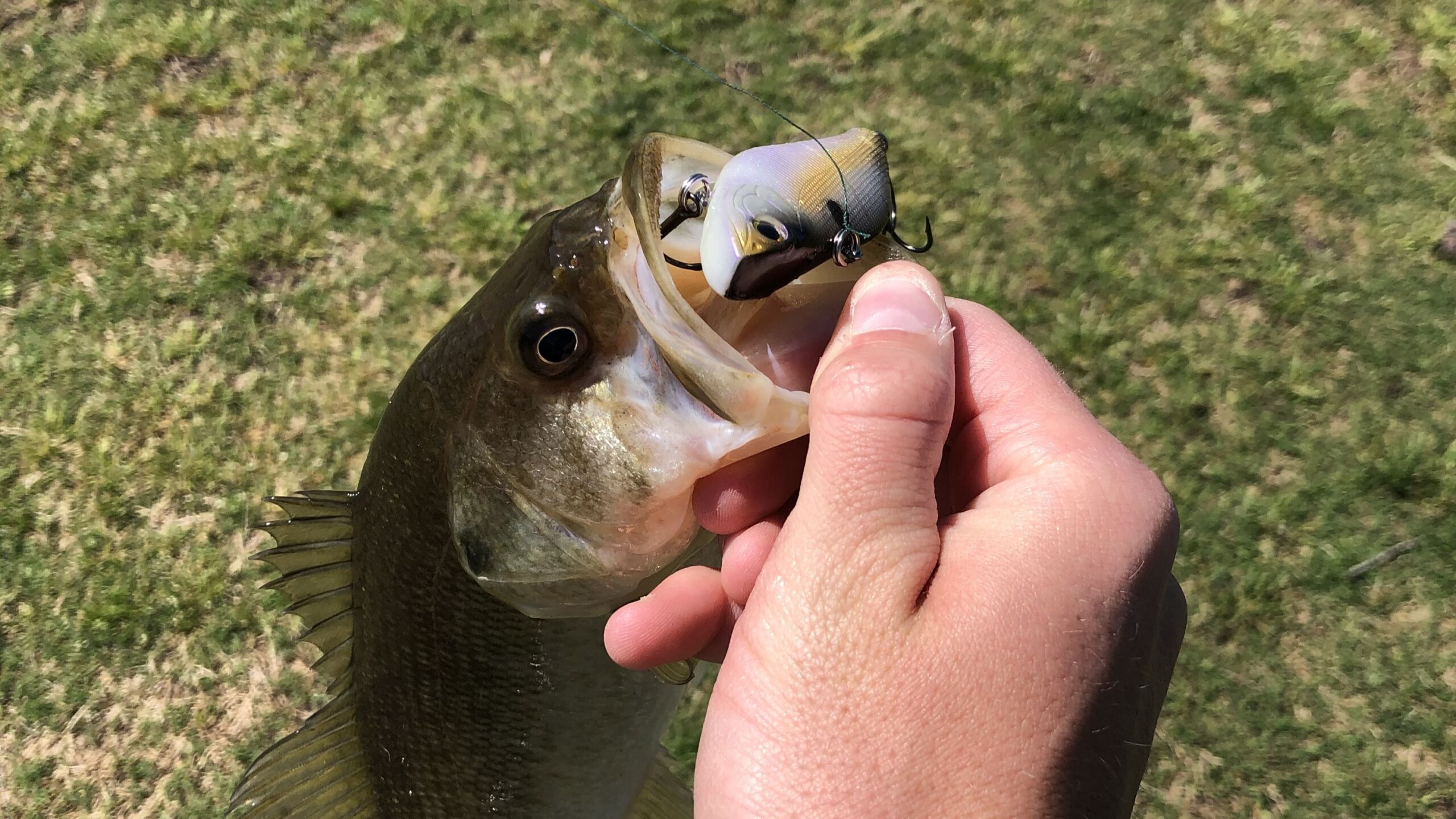
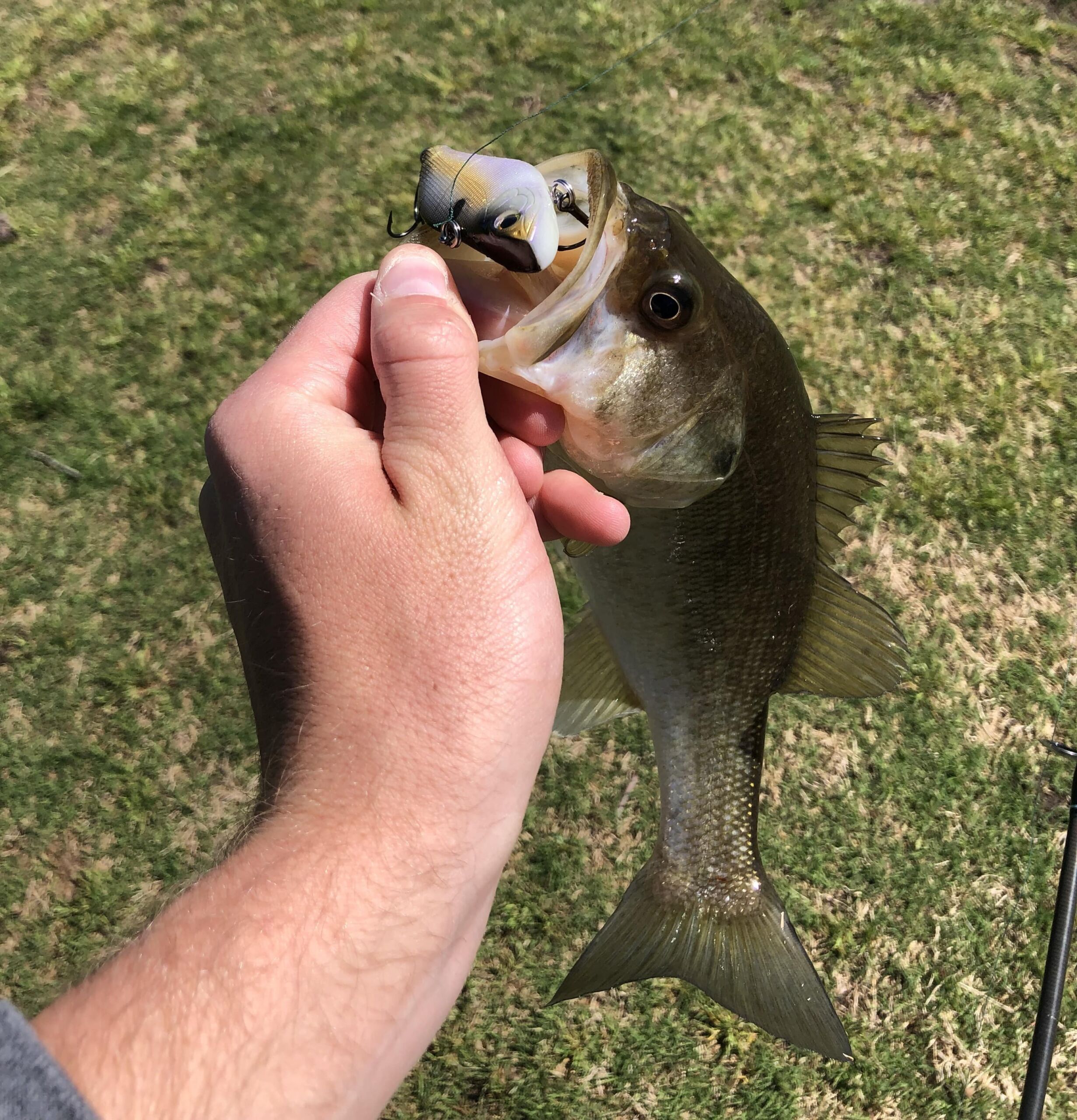
Lures can be used to catch just about every freshwater species, including bass, trout, walleye, pike, panfish, and crappie (I’ve even caught catfish on artificial lures before). To appeal to different freshwater species, different lure styles can be used to mimic specific prey such as baitfish, insects, or crawfish. Additionally, choosing the right size and presentation helps target specific species.
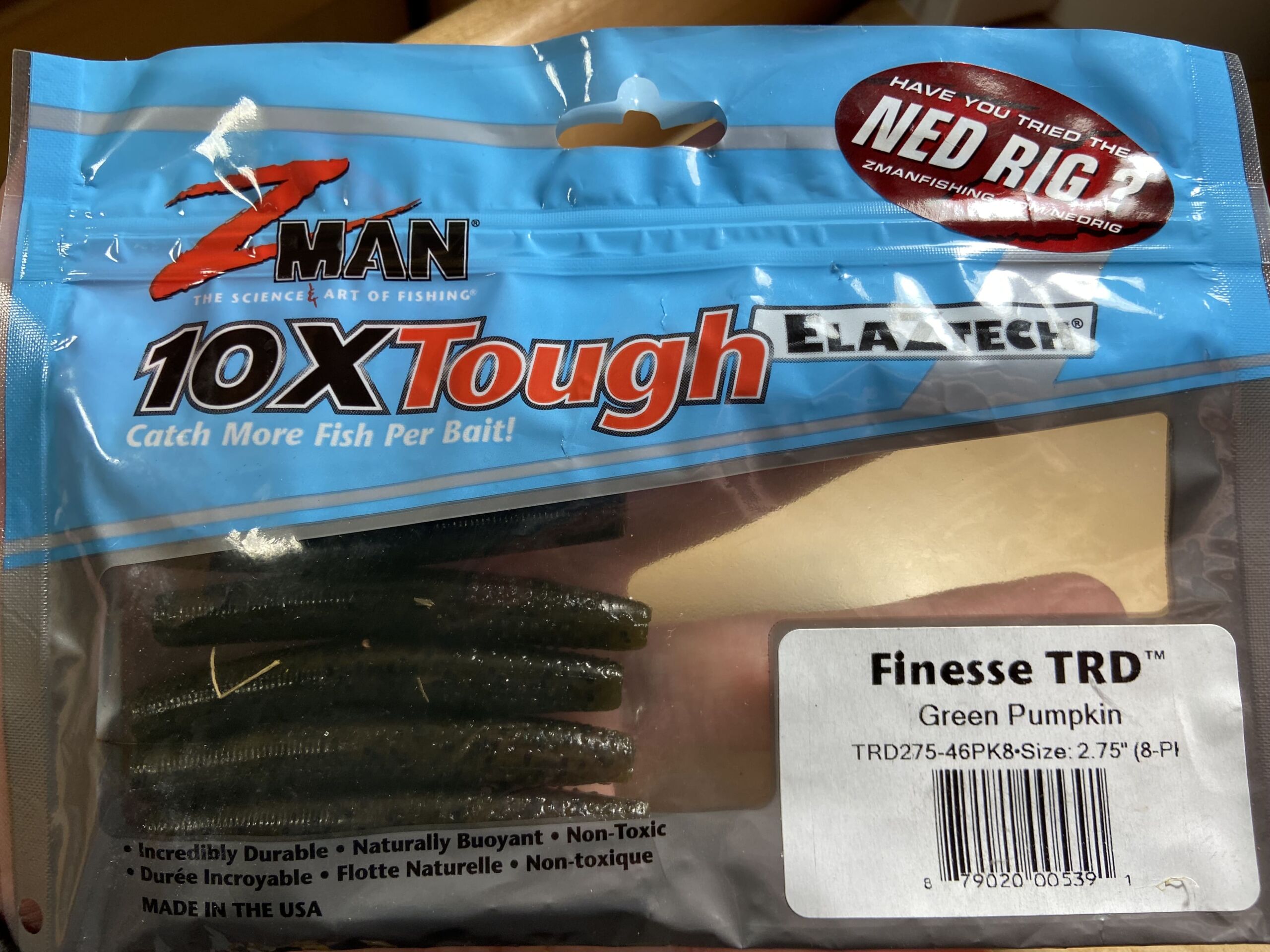
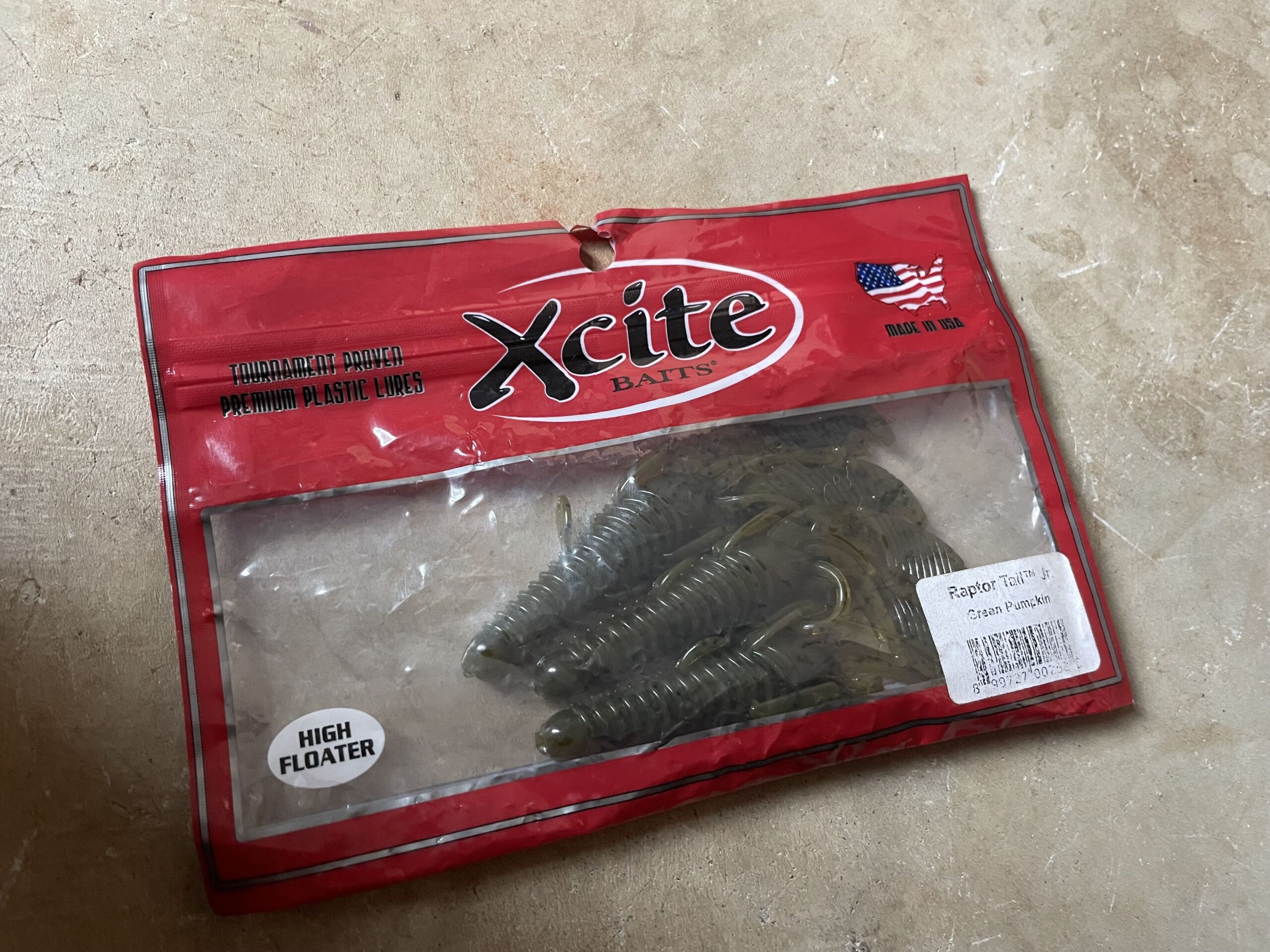
I wouldn’t go as far as saying there is a single best color because it depends on water clarity and light conditions. In general, bright colors like chartreuse and white work well in murky water, while natural colors tend to be better in clear water. At the end of the day, you want to try to match the natural habitat and prey as best as possible. In all my years of fishing, some great colors for me have been watermelon red as well as green pumpkin. This makes sense because I normally fish darker water, and these baits work well in murkier conditions.
Popular bass lures include soft plastic worms, crankbaits, lipless crankbaits, spinnerbaits, poppers, and jigs. These lures can cover different depths and types of cover. There are so many highly effective bass lures out there that it’s more about what the fish in that particular body of water want as opposed to one universal “good” lure. Keep this in mind when bass fishing. One lure may work great in one pond but be terrible in another. Adapt and change your strategy for the best results.
Crankbaits and spinnerbaits are excellent choices for lake fishing because they allow anglers to cover a lot of water very quickly. In addition, crankbaits can often get down deeper and cover a different part of the water column where fish may be sitting. Soft plastics are also very effective when fishing around structure in lakes, especially when fished weedless so you can throw them very close to cover. The best lure often depends on the season, depth, and species you are targeting.
It really just depends on what sort of “better” you are referring to, as this answer can vary from place to place and species to species. In general, artificial lures offer more control over presentation and can be reused many times, which is far more cost-effective in the long run. They are great for active fish and allow anglers to fish faster and cover more water. However, when fish are stubborn and less aggressive, live bait is sometimes the only way to convince them to strike, and no artificial can really match this. Long story short, there are pros and cons to both that you need to take advantage of.
Start by considering water clarity, depth, weather conditions, and the species you are targeting. Lighter colors and more subtle actions work well in clear water, while louder or brighter lures help in stained or dirty water where baits can’t be seen as well. Additionally, adjusting lure size and retrieve speed can improve results. It is important to be flexible when fishing with lures. Plan to try multiple approaches until you find what works best.
Common techniques that work well with freshwater lures include steady retrieves, jigging, and stop-and-go presentations. These presentations most often resemble what natural prey would do in the wild, so we want to do our best to mimic that. Additionally, changing speed and action often triggers reaction strikes. Experimenting with different retrieves helps determine what fish prefer that day. Don’t get set in your ways with one retrieve, because it will severely limit you.
Yes, many lures are beginner-friendly and help anglers get a good grasp of fish behavior and technique. Some simple lures for beginners that are easy to pick up and use include spinners and crankbaits because you can simply retrieve them steadily to get bites. Soft plastics can be another good option if rigged weedless so snagging doesn’t occur as frequently. Encourage anglers to lightly bounce the rod tip and reel the worm back slowly.
Presentation is absolutely critical when fishing with lures because it’s not a real bait the fish want to eat. Lures don’t taste or feel good, so instead, you’re trying to make them look like prey that appears natural and appealing. Even the best lure can be ineffective if it does not move naturally through the water. Knowing what the lure is designed to do and what fish typically see from prey in the wild is a must.
As you continue with your fishing career, I hope some of this knowledge from experienced anglers such as myself helps you out. I cannot emphasize enough the importance of knowing your bait, species, and body of water. If you don’t have any clue what kind of bait to use in a situation, you are missing bites before even putting a line in the water. Just think, those days that you didn’t think about what you were throwing could’ve yielded the biggest fish of your life but instead, you stayed in your comfort zone and caught one 6-inch bass. Let this article be your first step in choosing to take a more educated approach to the sport of fishing and see what science can do for your fishing experiences. As always, good luck and tight lines.
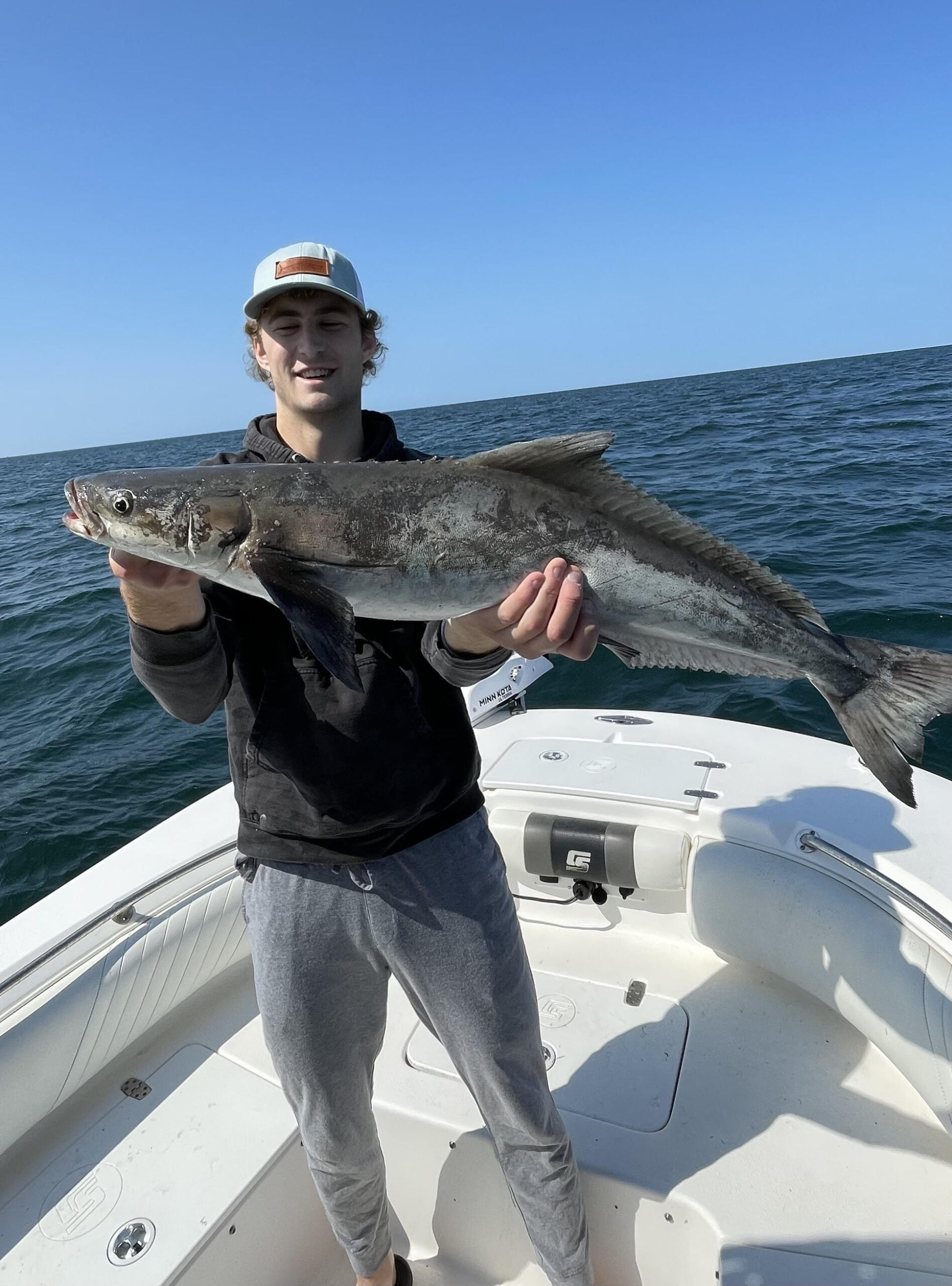
Pierce Latta has been passionate about fishing since the age of three, growing up casting lines in both freshwater ponds around Charlotte, NC, and the saltwater of Ocean Isle Beach. With nearly 16 years of experience, he’s explored almost every style of fishing imaginable,from fly fishing and surf casting to offshore and inshore adventures. Pierce now shares his knowledge and enthusiasm with others, offering tips, techniques, and inspiration to help anglers of all levels discover the thrill of fishing.