
Any question about the article?
Please use your work e-mail, so we can connect with you
There is a precise moment on the riverbank when the world transforms. It happens roughly 20 minutes after the sun drops below the treeline, when the orange ember of twilight cools into a deep violet slate. The songbirds go quiet, replaced by the rhythmic pulsing of cicadas and the occasional, sudden splash of a beaver slapping its tail.
Early in my angling life, I used to treat this hour as the signal to pack up. I learned my lesson the hard way one muggy July evening on the Missouri River. I had delayed moving to my nighttime spot, dragging my heels until absolute dark settled over the timber. Standing on a mudbank with a failing headlamp between my teeth, trying to untangle 50-pound monofilament while mosquitoes ate my ankles, I dropped my only pair of split-ring pliers into three feet of murky water. I spent the next two hours fumbling with loose hooks and uneven knots, missing the prime feeding window entirely.
Planning would have saved me that night. These days I check conditions before I even load the truck, and the fishing apps have made that quick enough that there’s no excuse for arriving late.
That night taught me 2 fundamental rules: set up your bank station before the sun hits the trees, and respect the radical shift that occurs when the dark takes over.
Catfishing at night isn’t just daylight fishing with a flashlight attached to your forehead. It is a completely different pursuit where your sense of sight steps back, making way for smell, sound, tactile intuition, and patience.
One of the most common questions among catfish anglers is whether nighttime fishing really produces better results. The answer depends on the species, season, water conditions, and location. However, there are good reasons why many experienced anglers prefer fishing after sunset.
During the day, catfish often retreat to deeper holes, submerged timber, and shaded areas where they can conserve energy. As darkness approaches, many move into shallower water to feed. This is particularly noticeable during warm months, when summer night catfishing can produce excellent results as fish become more active in the cooler evening hours.
The difference between catfishing at night vs. day is largely about fish behavior and feeding patterns. Daytime fishing can be productive, particularly in deeper water or around structures, but nighttime often gives anglers access to feeding fish moving closer to the bank.
So, is catfishing better at night? Not necessarily in every situation, but it can offer a significant advantage during hot weather, especially when targeting channel and blue catfish in rivers and reservoirs.
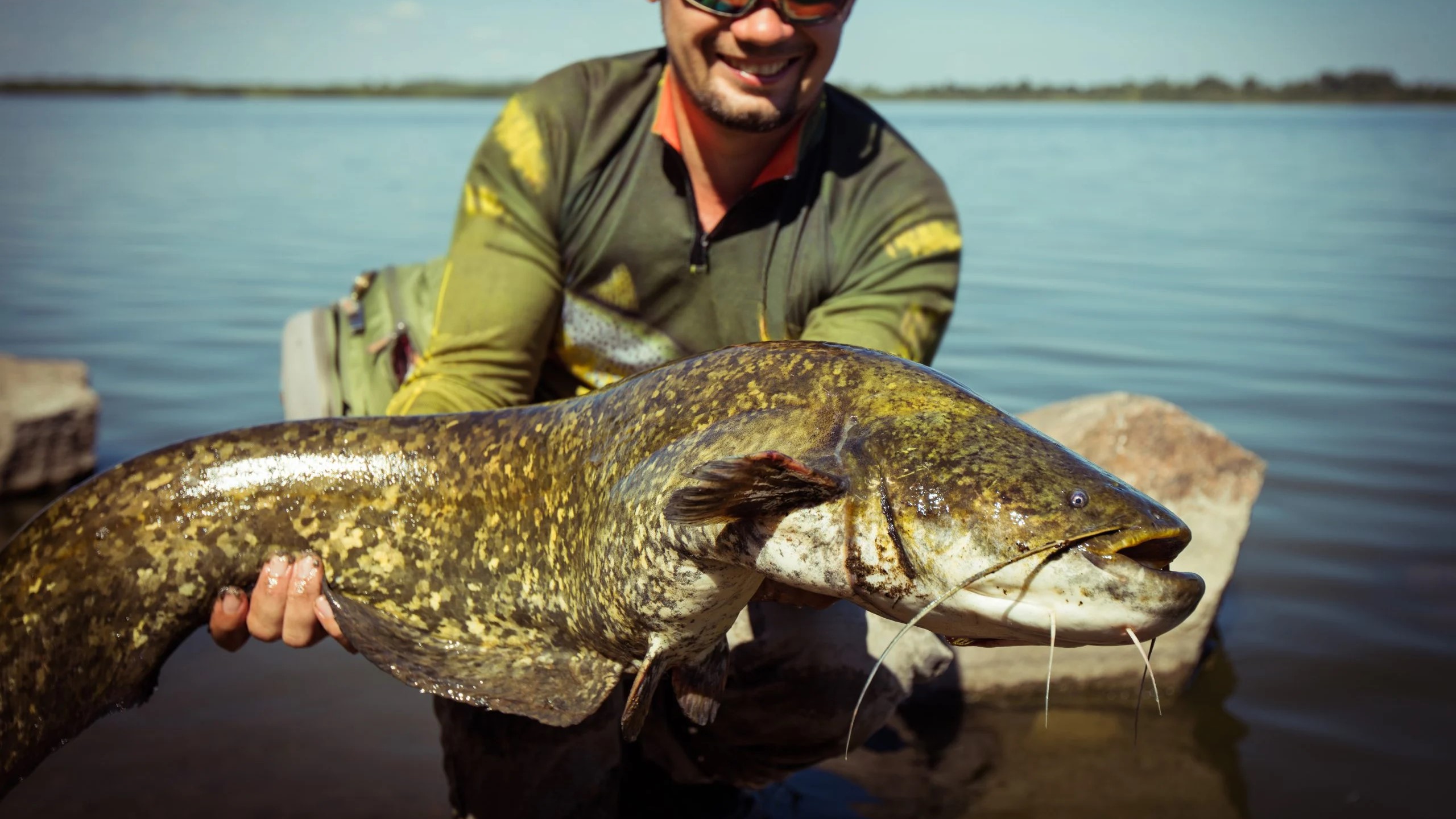
That’s exactly what I prefer too, getting the chance to catch a beauty like this.
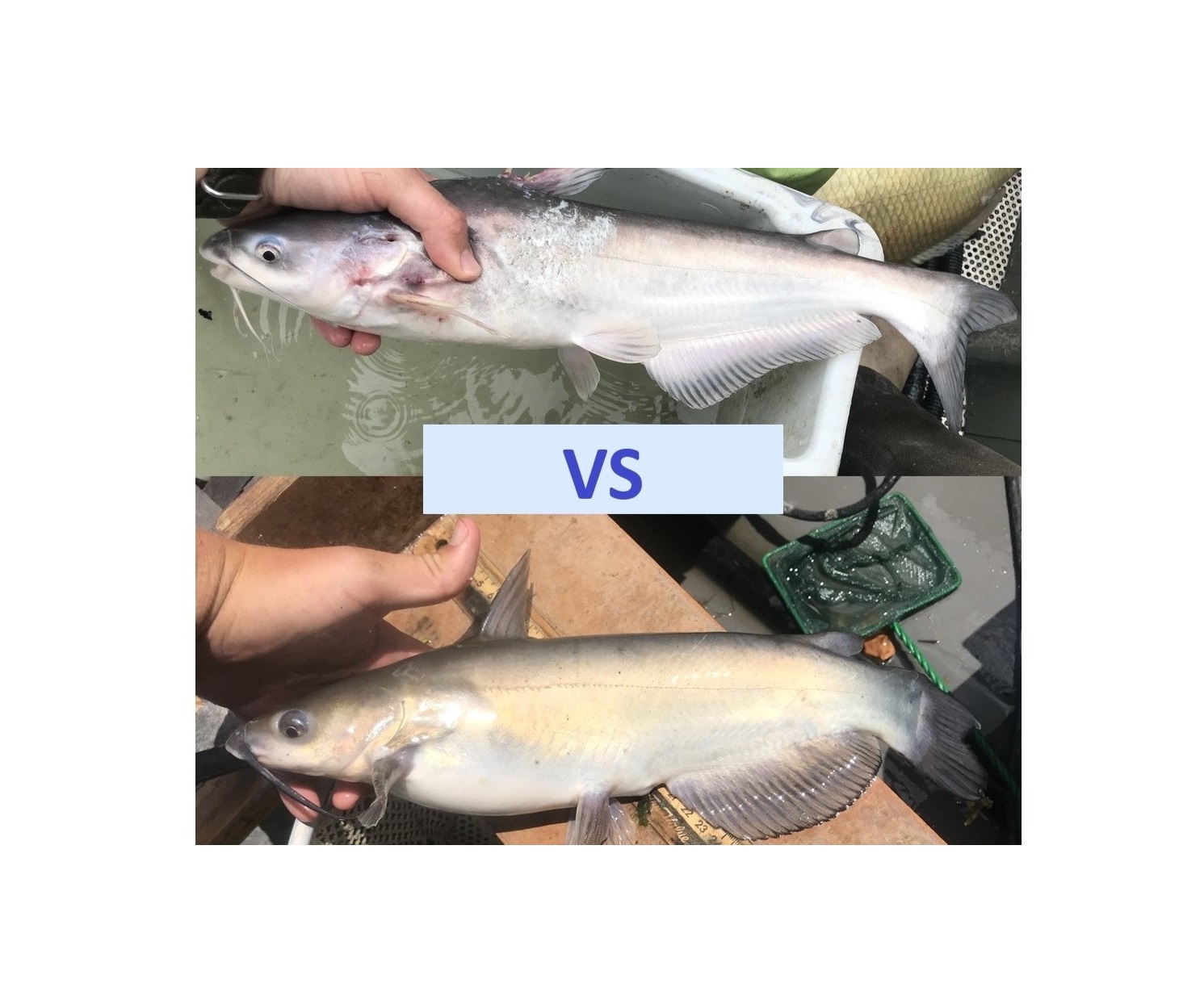
New to the species? Start with our complete catfish fishing guide, and if you’re not sure whether you’re after channels or blues, see blue catfish vs. channel catfish.
For me, the most productive window usually begins around sunset and continues through the first few hours of darkness. This is when catfish often leave their daytime holding areas and move toward shallow flats, current seams, and feeding grounds.
However, there is no universal clock for the best time to go catfishing at night. On some waters, activity picks up just after sunset. On others, the biggest fish may feed closer to midnight or during the early morning hours.
A few factors worth watching:
Rather than guessing, I use Fishbox to line up solunar periods, weather and pressure trends before choosing my window.
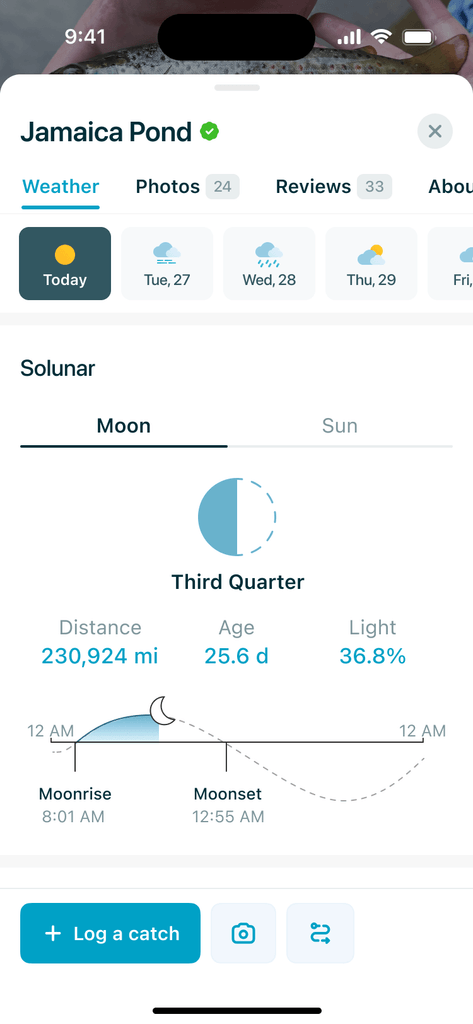
If you want to understand why those factors matter, read up on the best barometric pressure for fishing and perfect fishing weather. For a broader look at timing, see the guide to the best time to catch catfish.
The best approach is to arrive before sunset, identify promising structure, and give a productive location enough time to develop.
During the day, many game fish rely on sight to hunt, tracking shadows and movement in the upper water column. Catfish, however, are built for the dark. They are biological scent-tracking machines equipped with thousands of taste receptors covering their body, concentrated heavily along their barbels (the “whiskers”).
When night falls, trophy cats, especially big channels and blue catfish, often move from deeper holes and timber jams into shallow mudflats, gravel bars, and current seams to forage along the bottom.
Because these fish are sweeping the riverbed with their barbels, suspension tactics can be less effective in these situations. Leaving a bait dangling four feet below a floating bobber means you may be fishing above the strike zone.
To target feeding fish consistently, the bobber stays tucked away in the tackle box, and the rigs go straight down to the riverbed where the odor corridor naturally travels downstream.
Choosing the right location is just as important as selecting your bait. When looking for a night catfishing river bank location, I focus on areas where catfish can move between deeper daytime holding areas and shallower feeding grounds.
Some of my favorite features to look for include:
If you’re searching for night catfishing near me, don’t simply choose the closest accessible riverbank. Look for a stretch of water with a combination of depth, current, and natural cover. Fishing maps, local reports, and depth charts can help identify promising areas before you head out.
Fishbox’s interactive dashboard puts forecasts and conditions for your area in one place, so you can shortlist banks before you leave the house. New to reading moving water? The river fishing tips and techniques cover current seams and structure in more detail, and the Mississippi River guide is a good example of what a big catfish river looks like.
Accessibility matters, too. A productive-looking bank is not worth the risk if it’s steep, slippery, or difficult to navigate in complete darkness. I always check the ground, water level, and available space for rod holders while there’s still daylight.
To fish the bottom cleanly without spooking a wary cat, you need a presentation that allows the fish to take the bait and move off without immediately feeling the dead weight of your lead anchor. The sliding bottom rig, essentially a heavy-duty Carolina rig, is the absolute gold standard for night bank fishing.
Here is how I tie it on the bank before the sun slips away:
This simple rig is a reliable starting point for catfishing at night from bank, whether you’re fishing a slow-moving river or a larger reservoir. It also works particularly well for night catfishing from shore, where you need a stable bottom presentation that can handle longer casts and changing currents.
(See how I did it)

When you’re tying tackle by the dim amber glow of a headlamp, or completely by feel when your batteries die, you need knots that are simple, strong, and muscle-memorized.
The Palomar is my absolute go-to for tying terminal swivels or straight hooks when using a braided main line. It retains nearly 100% of line strength and is virtually impossible to tie incorrectly, even in pitch darkness.
When fishing with offset circle hooks (typically sized from 1/0 up to 8/0), a standard knot tied to the eye can pull the hook sideways out of a fish’s mouth. A proper snell knot ensures that when tension is applied to the leader, the force pulls directly along the hook shank, rotating the point cleanly into the corner of the catfish’s jaw.
Optional rigging note: For anglers who want to suspend a secondary bait off the main riverbed to keep it out of dense bottom mud or freshwater mussels, tie a dropper loop roughly 18 inches above your bottom sinker.
Great bait selection means nothing if your hook arrives at the riverbed bare because the force of a long cast ripped it free. Matching your bait strategy to your target species, and securing it properly,is half the battle.
The best bait for catfishing at night depends on the species you’re targeting and the conditions in which you’re fishing. Catfish rely heavily on their sense of smell and taste, making strongly scented offerings particularly useful in low-light conditions.
This is only a starting point. For a full rundown by species and season, see the best baits for catfish, and if you’re going after flatheads, how to hook live bait is worth a read first.
Here are some of the options I regularly use when choosing night catfishing bait.
Fresh cut bait is the king of consistent night action for channel and blue cats. The key to keeping cut bait on the hook during heavy casts is keeping the flesh cold and firm. Keep your bait on ice in a dedicated cooler rather than letting it sit out in warm air, which turns the muscle mushy.
| Bait section | Best used for | Rigging technique |
| Head sections | Large blue catfish and heavy current | Hook through the tough nostrils or lower jaw up through the skull. Provides maximum scent and holds up to powerful casts. |
| Mid-section chunks | General channel and blue catfish | Slice into 1- to 2-inch steaks. Push the hook point through the spine or heavy outer skin once, leaving the point completely exposed. |
| Fillet strips | Slow water and fluttering action | Cut into long, thin triangles. Pass the hook through the thickest skin end once. The thin tail will flutter naturally in mild current. |
Chicken liver is an undeniable scent magnet, but its soft structure makes it infamous for flying off the hook mid-air. To fish liver successfully without losing your patience:
Commercial punch and dip baits rely on heavy cheese, blood, and fish oil scents. Because these compounds break down rapidly in moving water, pair them with a size 2 to 2/0 treble hook equipped with a small plastic ribbed holder, sponge, or spring coil to trap the paste. Dip the assembly into the bait tub using a stick, press firmly, and swing the cast out smoothly rather than snapping the rod tip.
Unlike channel cats, flathead catfish are apex predators that rarely settle for dead, decaying bait. If flatheads are the goal, rig a lively 4- to 6-inch bluegill, green sunfish, or gizzard shad. Use a three-way swivel rig with a weight light enough to let the bait swim, and hook the fish through the tough skin just behind the dorsal fin or through the nostrils, ensuring the hook point remains wide open. Pitch these live offerings near submerged root wads or boulder piles, allowing 30 to 45 minutes of patience per spot before moving down the bank.

If you want to give your bait an extra scent kick in the dark without buying expensive commercial attractants, you can whip up a quick homemade scent concoction right out of your kitchen pantry. Mix together garlic powder, minced garlic, and a packet of dry Kool-Aid powder, cherry or strawberry work great, in a zip-top bag or small tub. You can coat or marinate almost anything people fish with for catfish in this mix, whether you’re tossing in chicken livers, sliced hot dogs, cut bait, or any other go-to night bait. Let it soak so the sweet-and-garlicky scent penetrates the bait, creating a strong odor trail downstream that helps hungry catfish track your hook straight to the bottom.
A successful night catfishing setup starts well before sunset. Once darkness settles in, even simple tasks like changing a hook or finding a pair of pliers become more difficult. Having everything organized and within reach makes the experience safer and considerably more enjoyable.
My essential night catfishing gear includes:
I also recommend keeping your phone charged, bringing enough drinking water, and letting someone know where you’re fishing. Night fishing can be peaceful, but it’s important not to underestimate the risks of working around deep water in low visibility.
Also check what’s required where you’re fishing. Rules vary by state, so see fishing license requirements before you head out.
Night fishing isn’t exclusively a summer activity. Catfishing at night in winter can still produce results, but expectations and tactics need to change.
Cold water slows catfish metabolism, meaning fish generally feed less frequently and may spend longer periods holding in deeper areas. Rather than searching shallow flats immediately after sunset, I focus on deep holes, channels, and slower sections of the river where fish can conserve energy.
A few adjustments can make winter sessions more productive:
For more on gear and tactics when the water drops, see fishing in cold weather.
Unlike summer, when catfish may move into shallow water shortly after sunset, winter feeding windows can be shorter and less predictable. I also make sure to check weather forecasts and water conditions before heading out, particularly when fishing near steep or slippery banks.
Once your baits are soaking on the bottom, secure your rods into sturdy bank sticks or metal rod holders driven deep into the ground. Never leave a rod lying loose on the bank at night, a 20-pound flathead can pull a loose rod into deep water in the blink of an eye. (Like it happened to me)
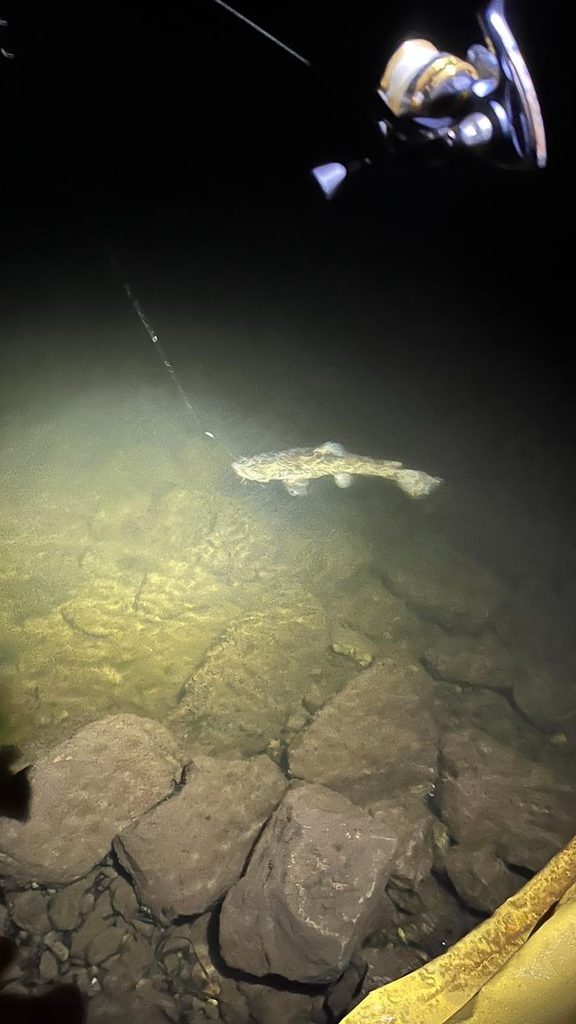
To detect strikes without burning through your headlamp batteries or ruining your night-adjusted vision, clip a small brass bell or a green glow stick to the top rod guide. For anglers fishing multiple rods spread along a dark bank, battery-operated clip-on strike alarms provide an audible alert when line is stripped under tension.
With the rigs cast, the drags set light, and the bells attached, you can finally lean back into a folding camp chair.
When the knot holds, the bait stays true, and you step up into the dark to set the hook, you remember exactly why you left the comfort of home to chase whiskers in the dark.
Ready for your next night on the water? Don’t leave the bite to luck. Open Fishbox to check solunar times, weather and conditions for your spot, then pick your window and set up before the sun hits the trees.