

Spotted Sand Bass
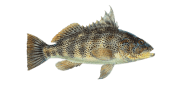
The spotted sand bass, Paralabrax maculatofasciatus, is a coastal marine fish known for its distinctive spotted and striped pattern. Commonly found in the eastern Pacific, particularly in shallow, sandy habitats, this species is highly regarded by anglers for its aggressive strikes and resilience. Its adaptability to various coastal environments makes it a popular target in both recreational and sport fishing.
 Length~40 (max 67)
 Weight~1 (max 6)
 WaterSalt
 Water Temp7-35° F
 Depth1-90 ft
- Other names-
- Length~40 (max 67)
- Weight~1 (max 6)
- WaterSalt
- Water Temp7-35° F
- Depth1-90 ft
Popular lures for Spotted Sand Bass

Regulation for Spotted Sand Bass
Living Conditions
🐟 Habitat preferences
- Spotted sand bass thrive in shallow coastal waters, especially in areas with sandy bottoms and rocky reefs where they can find cover and hunt for prey
- They are often found near jetties, harbors, and kelp beds, where they blend in with their surroundings
- Their diet primarily consists of small fish, crustaceans, and mollusks, making them opportunistic feeders
- Anglers frequently target them near structure, where the fish are likely to be hiding and waiting to ambush their prey
♻️ Life cycle and mating behavior
- Spotted sand bass spawn during the warmer months, with peak activity occurring when water temperatures rise
- They gather in large groups to spawn, usually in shallow waters close to shore
- After spawning, the eggs hatch quickly, and the young fish remain in shallow, protected areas until they grow larger
- During spawning season, spotted sand bass are more aggressive and active, providing exciting opportunities for anglers seeking to catch them in larger numbers