
Any question about the article?
Please use your work e-mail, so we can connect with you
From Alaska and the Pacific Northwest to Maine and New York in the Northeast, fishing for Salmon is one of the most challenging and rewarding angling activities in the U.S.
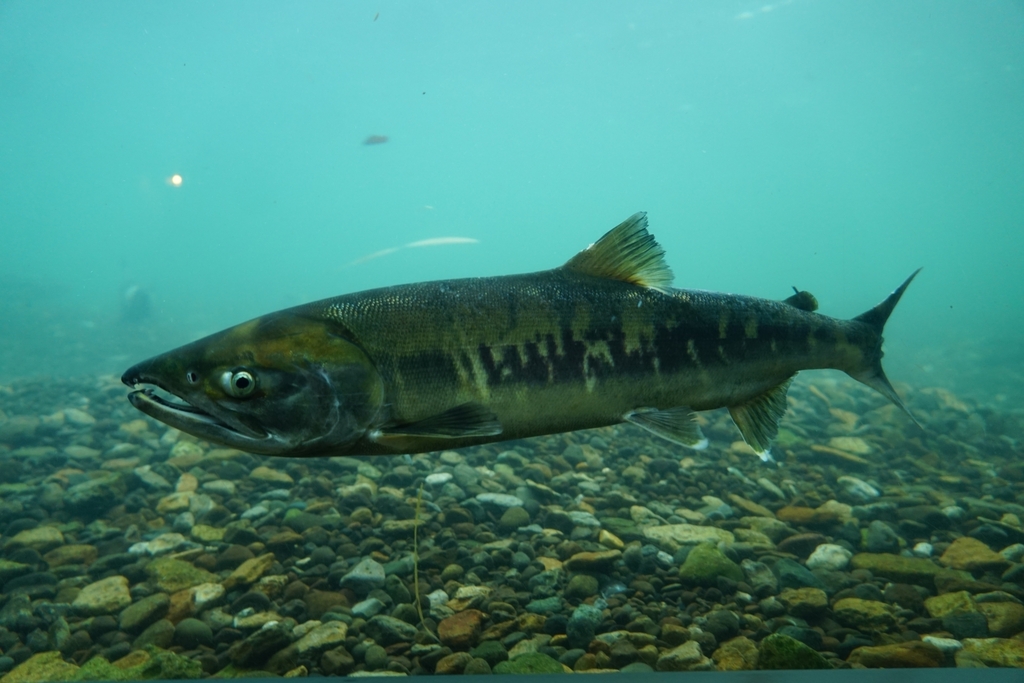
Found in colder waters for most of the year, several salmon species are available and range in size from mammoth Chinook/King salmon—which can reach almost five feet in length and weigh over 125 pounds–to Pink salmon, which averages 3-5 pounds. While they live most of their lives in the ocean, Salmon typically return to freshwater rivers, streams, and lakes where they are born to spawn.
There are six salmon species available in the U.S., including chinook/king, pink, coho, chum, sockeye, and Atlantic. Steelheads—which are actually trout– are often listed as the seventh species.
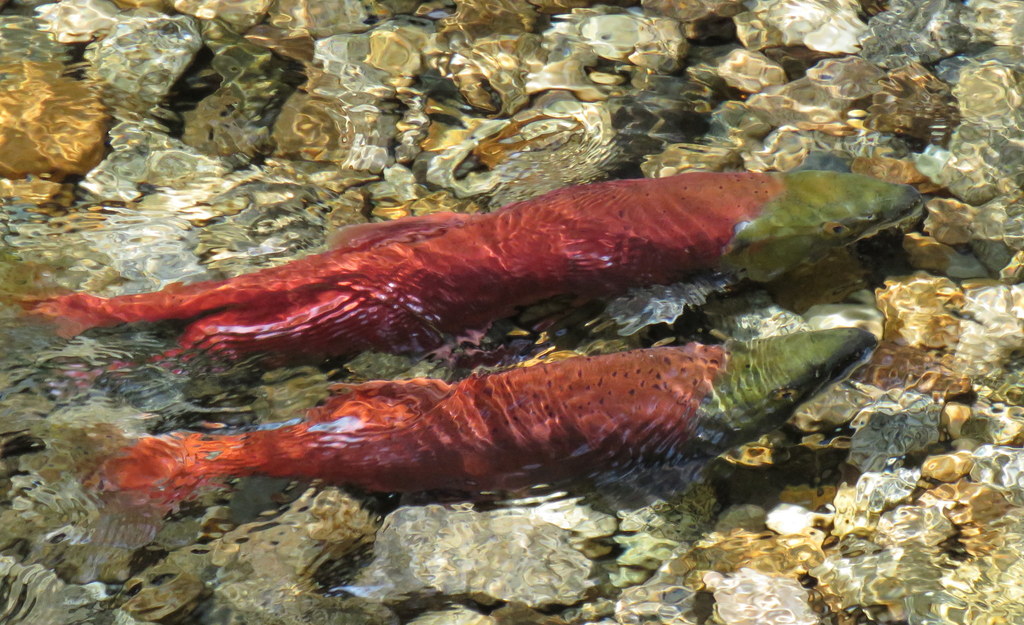
The rise in the popularity of salmon fishing is tied to several factors. Many anglers dream of traveling to Alaska or the Pacific Northwest and fishing the pristine waters of some lake or river for the trophy salmon surrounded by nature in all its glory. Others are simply drawn to the challenge of hooking up with one of the icons of the country’s waterways. After all, Salmon are renowned for big strikes and fierce battles.
But its popularity is also tied to the dinner table; according to the National Fisheries Institute, Salmon is the second-most popular seafood in the country (trailing only shrimp), thanks to its healthy attributes and distinctive flavor.
Let’s face it: Salmon fishing is on every angler’s bucket list.
Its popularity has also caused some issues in recent years. Some of the top salmon fisheries have dwindled because of overfishing, habitat destruction, and other factors, but there are still outstanding destinations to explore. (One caveat: It’s best to check the licensing and daily limits for salmon once you reach your destination. Regulations are constantly changing.)
While Salmon is readily available in the northern tier of the continental U.S. and Alaska, locating the best salmon fishing spots can be tricky. The best place to start is the Fishbox, which pinpoints the best fishing locations around the country based on advanced algorithms.
We’re also here to help you decide where to fish for Salmon by highlighting some destinations that consistently provide anglers with plenty of fish and, more importantly, even more great experiences and memories.
Here are some of the top salmon fishing destinations in the U.S.:
Anglers typically need a float plane to get to Bristol Bay, but from what we’re told, it’s absolutely worth the trip.
Bristol Bay—an immense area featuring 14 lakes and river systems—has the largest Sockeye salmon run in the world, providing anglers with a once-in-a-lifetime experience. The fish typically gather in large groups in the Kvichak, Neknek, and Togiak rivers around the bay between mid-June and late July and strike at about any bait presented, whether by fly fishers or the rod-and-reel crew.
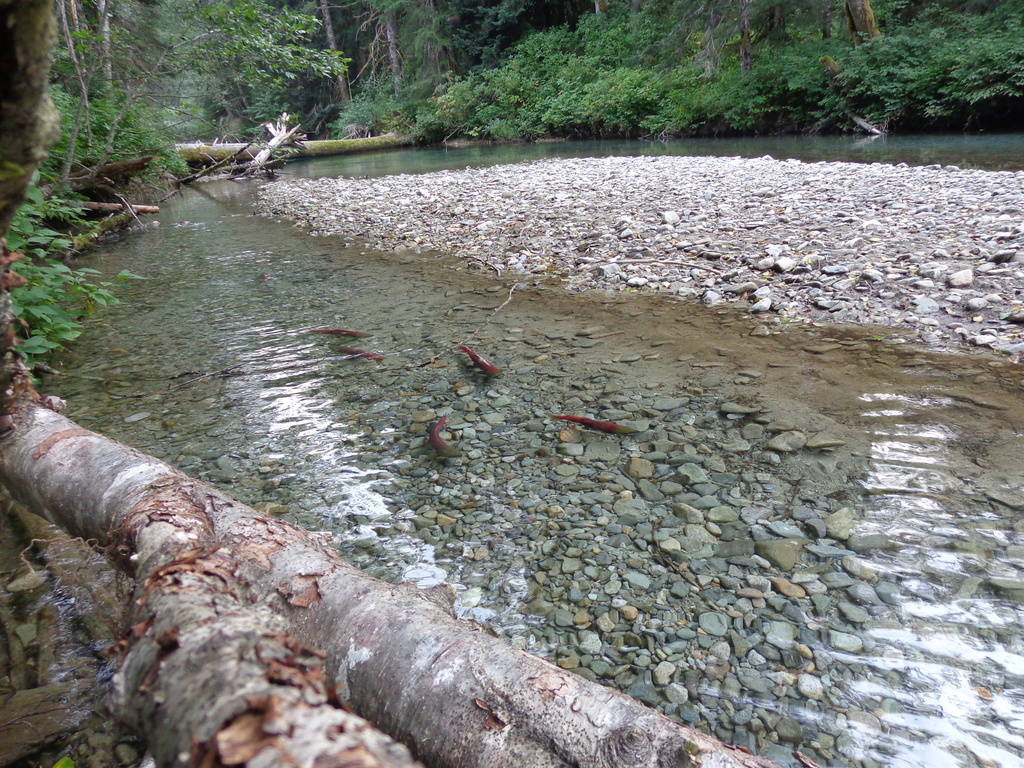
One of the fishing lodges on Bristol Bay reports that as many as 20,000 sockeyes a day swim past the lodge during their annual run since it’s located on their passageway to return to their spawning grounds.
While Sockeye salmon is typically the star of the show at Bristol Bay, chinook, coho, and pink Salmon are also abundant.
Keep in mind that once you get to the Bristol Bay area, roads are all but nonexistent. Plan ahead to find boats and seaplanes for transportation.
Read also: Complete Guide to Alaska Fishing Licenses
The scenic Kenai River is often mentioned when the conversation turns to fishing in Alaska. The icy waters are the ideal conditions for Salmon to thrive, and the favorite prey of Salmon—krill and plankton—fill the coastlines. King, sockeye, and chinook salmon are often targeted here from May to August.
The river produces huge numbers of salmon, so much so that the local government awards certificates for Salmon caught that weigh over 75 pounds. The threshold used to be 50 pounds, but with so many huge fish being caught on the river, it had to be raised.
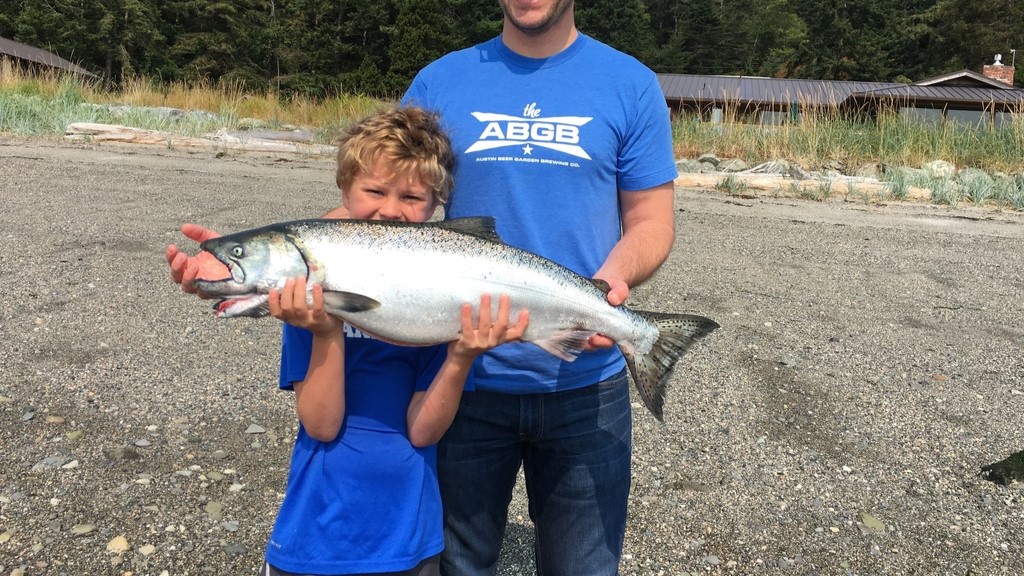
Access to the river is plentiful, whether it be simply fishing from the shoreline—some use only dipnets instead of rods and reels during seasonal runs—or hopping on a boat or kayak from one of the many boat launching ramps.
There’s also a ferry that takes anglers across the Kenai River to the mouth of the famed Russian River.
Located in Washington, Puget Sound stretches 95 miles from the Admiralty Inlet to Olympia, Wash. Its shoreline is 1,330 miles long, providing anglers with an outstanding salmon fishing experience from July through August.
For most anglers, Seattle is a natural starting point for visits to Puget Sound since the city sits directly on its shoreline. There are numerous ways to access the water from Seattle, although the largest Salmon are typically caught by charter boats headed to deep waters. Fishing along the coastline is also wildly popular. There was a hotel located in downtown Seattle that used to promote the idea that you could fish for salmon from one of their rooms.
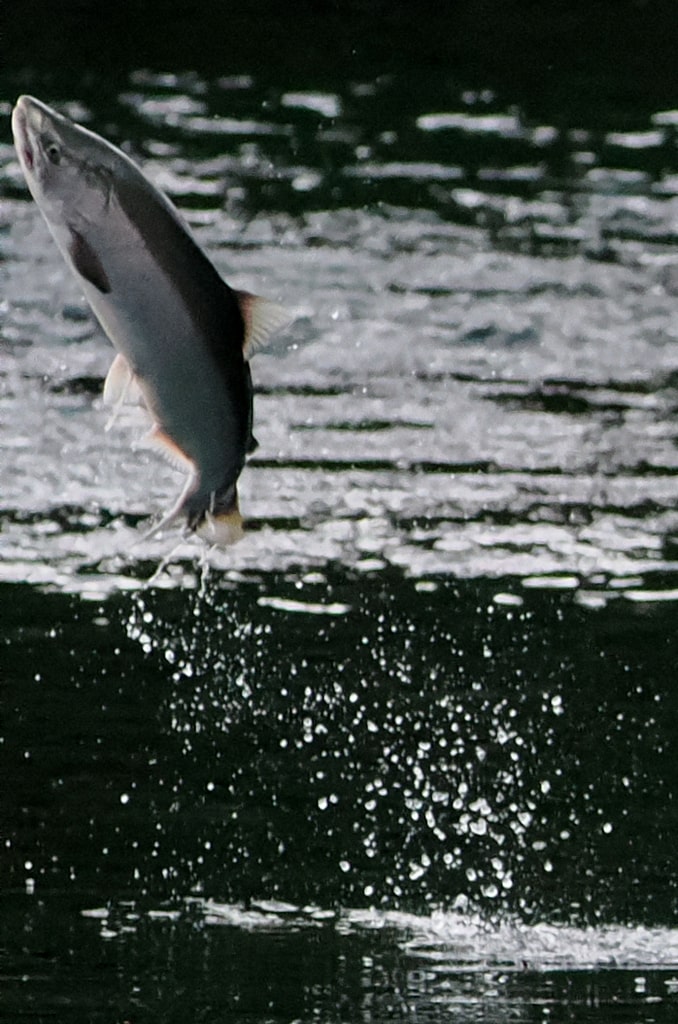
Marketing aside, public beaches and piers around Seattle are the top places to go for coastline fishing when targeting Coho and Chinook Salmon. Seacrest Park Pier in West Seattle, Kayak Point Park, and Edmonds Pier are all frequently mentioned as top spots. Most anglers try to fish for Salmon at either sunrise or sunset or during incoming tide changes
Whidbey Island, located about a one-hour drive north of Seattle, also offers outstanding Puget Sound salmon fishing. Bush Point, Lagoon Point, and Double Bluff in West Whidbey Island are all wildly popular.
Stretching 1,000 miles between the Canadian Rockies through Washington and Oregon, the Columbia River is one of the premier spots for salmon fishing in the country thanks to legendary Chinook and Coho salmon runs, which start in March and run through October.
The Columbia is also a complicated fishery because productive areas, salmon runs, access, and regulations can change significantly from one section of the river to another. Anglers planning a trip can use FishyNW’s Northwest salmon fishing guides to research Chinook and other salmon fisheries, along with the waters and access points associated with them.
While the river is unquestionably huge, most of the salmon fishing on the Columbia is concentrated from the mouth of the river near the Pacific Ocean in Astoria, Ore., to Bonneville Dam, located east of Portland, Ore.
In Astoria, the chinook runs begin in March, followed by the steelheads in June and coho in August through September. Most fishing in Astoria is done via trolling from boats; there are plenty of charters in town. Buoy 10 is frequently mentioned as the top location for catching Salmon, with mammoth chinooks often taking center stage.
Of course, kayaking and onshore fishing are also popular throughout the season. There’s no shortage of waterfront parks; there are even some convenient sites close to the downtown area worth exploring.
About a two-hour drive east of Astoria, the Bonneville Dam on the Lower Columbia River also offers outstanding chinook salmon fishing, either from a boat or from shore.
With a name like the Salmon River, the fishing had better be good…and with few exceptions, it certainly is.
Chinook and Coho salmon are the headline attractions each September as they enter the Salmon River from nearby Lake Ontario in upstate New York to spawn. The season is short and sweet. By late October, the run ends, and the steelhead moves into the river, looking to feed on salmon eggs.
Drift boats are a popular way to fish on the Salmon along with larger vessels. Most charter boats are docked in Pulaski, N.Y., at the Salmon River Lighthouse Marina.
Shoreline and fly-fishing are also options. Lures are typically not used when fishing the river, although some opt for j-plugs resembling a minnow. Live or salted minnows, Power Nuggets, and scented Salmon eggs are more popular choices. For fly-fishers, size 2-8 Egg Sucking Leeches and Glo-Bugs (imitates a salmon egg; tied with Glo-Bug yarn) typically yield impressive results.
Because the flow of the Salmon River is controlled by upstream dams, a large release of water by local power companies can create a run of Salmon. Check with local bait shops or guides for the schedules.
One of the premiere fishing destinations in the Northeast, the Penobscot River in central Maine is the only place in the United States where wild Atlantic salmon can be found. Ninety-five percent of those salmon returns (when adult fish come back to spawn) occur in the 1,000-mile-long Penobscot River and its tributaries.
Atlantic salmon are still endangered, and their population, though rebounding, hasn’t recovered to their historic numbers yet. The state of Maine has removed two dams along the Penobscot to improve habitat and foster increases in the salmon population.
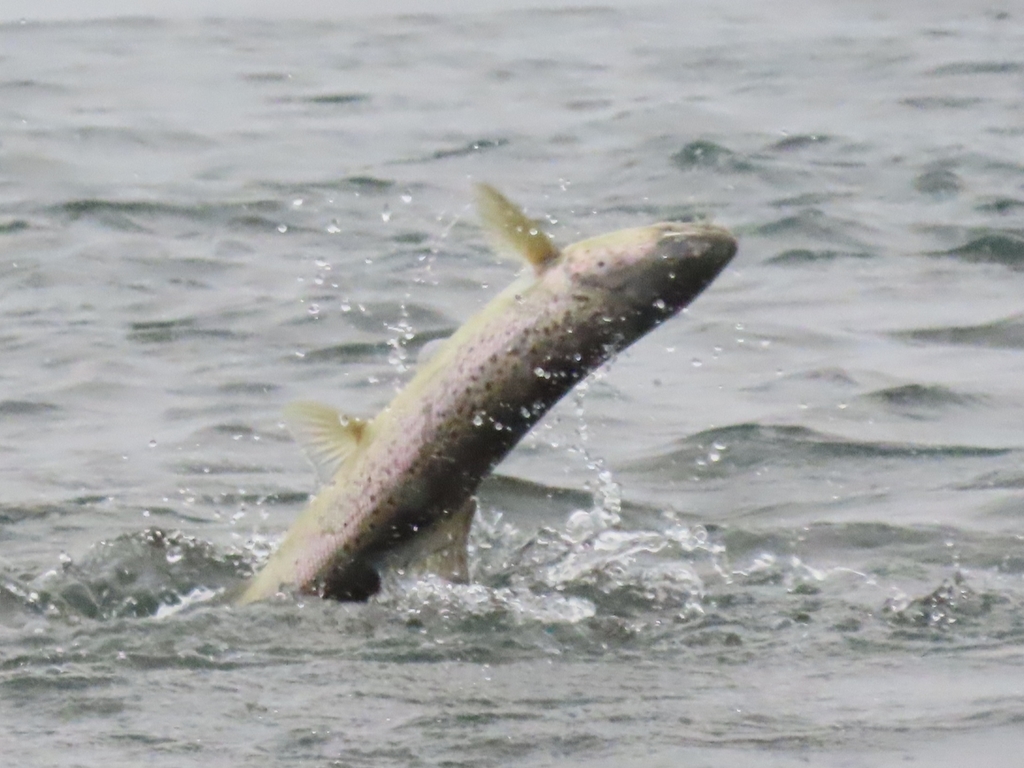
The preferred method is fishing the Penobscot from the shore or floating the river on a raft or similar vessel from Greenbush to Old Town areas. Obviously, floating always allows access to areas not reachable on foot, but anglers need to pay attention to rapids and riffles.
Keep in mind that while the river is primarily catch-and-release, anglers can keep one Salmon per day measuring more than 16 inches. There is no size limit for landlocked Salmon that are smaller than 16 inches.
The fishing season here is from April to August and often gets crowded on weekends.
Flies and jigs are the preferred bait.
Read also: Complete Guide to Maine Fishing Licenses
Fishing for Salmon on Lake Michigan for chinook and coho/King salmon has been a long-time tradition for anglers in the Upper Midwest thanks to the availability of fish and the variety of locales.
The season for chinooks runs from late July through September, while cohos are prevalent from May through June and then October through November. Deep water trolling is the preferred method of fishing for larger fish, but there’s plenty of opportunity to fish from shorelines and piers around the lake, as well as using spinners.
Locations to explore around Lake Michigan for Salmon include the Manistee River in Manistee, Mich. (which also has plenty of cabins and campgrounds), the mouth of Milwaukee River near Milwaukee, Wisc. for both shoreline and charter fishing, and Sheboygan, Wisc., which has numerous charters (and great bratwurst and cheese).
And don’t overlook downtown Chicago, which has plenty of charters to choose from, as well as guides who can help you discover the best harbors to fish from the shoreline.
Keep in mind that Lake Michigan borders four states (Michigan, Wisconsin, Illinois, and Indiana) and that fishing licenses must be purchased in each state you plan to visit. There are also different catch limits in each state, so be sure to check them out, too.
Salmon fishing needs to be on every angler’s bucket list. Regardless of the type of Salmon being targeted, most will provide the type of fight most anglers dream of, especially when they get in the 25+ pound range. Salmon are also universally welcomed at the dinner table.
While they are experiencing some population declines in certain areas due to habitat removal, overfishing, and environmental factors, there are still plenty of destinations around the country where you can find extraordinary salmon fishing.
For some, this might mean the dream trip to Alaska or the Pacific Northwest; for others, it could mean navigating Lake Michigan or the Salmon or Penobscot Rivers in the Northeast. There are plenty of locations to choose from, and our best advice is to just choose one, do your research, and get out there and turn your fishing dreams into fantastic experiences.
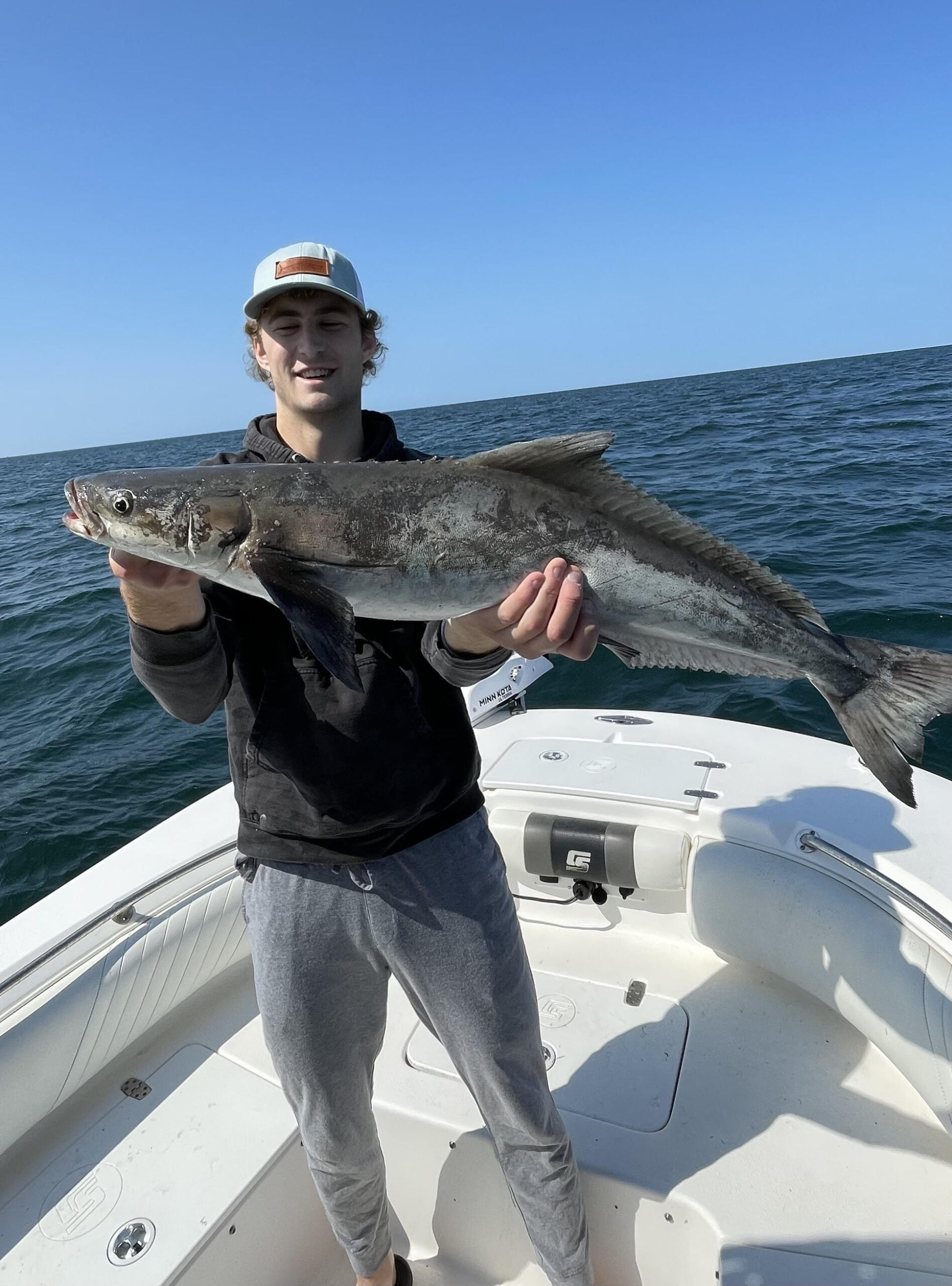
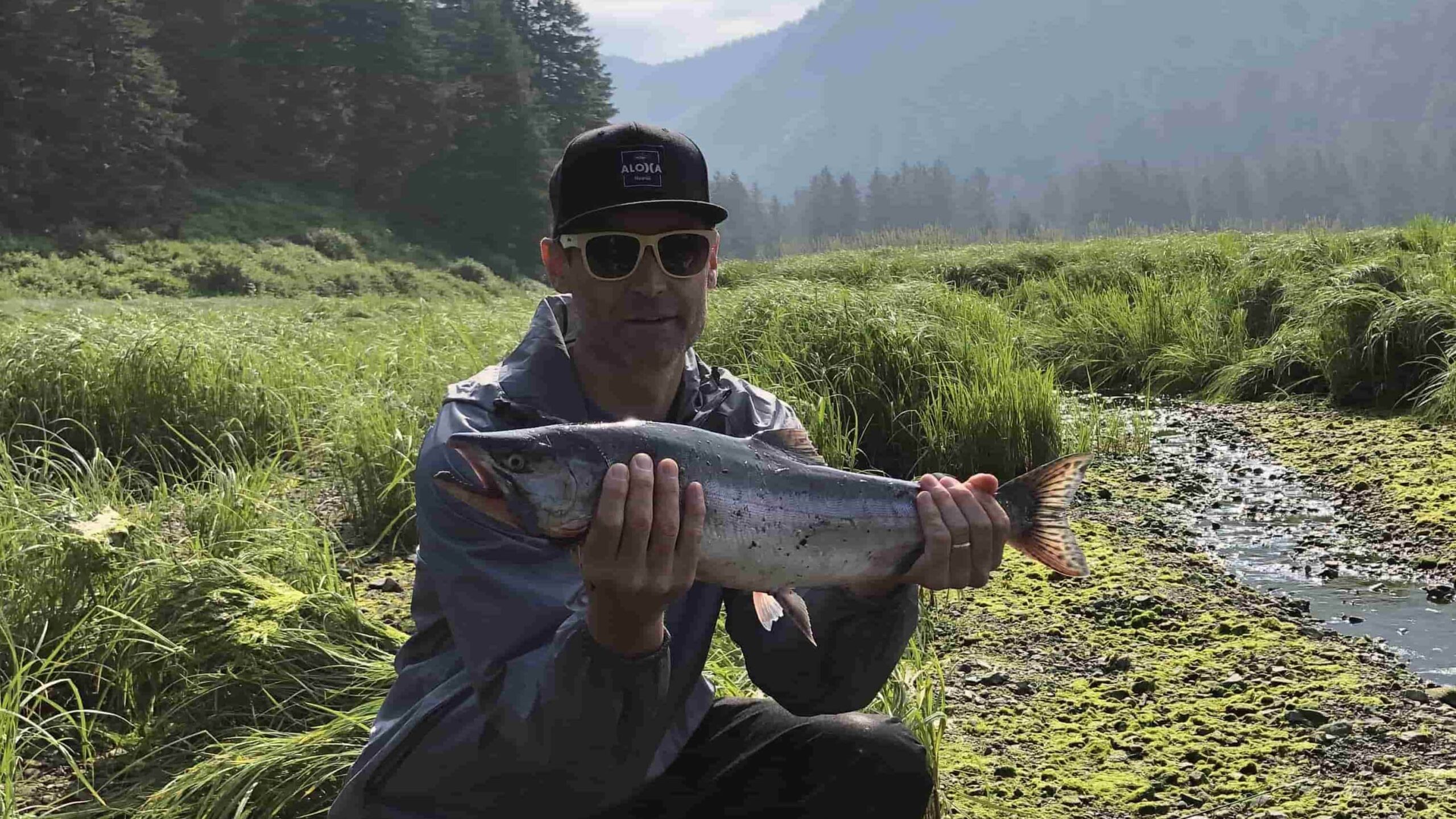
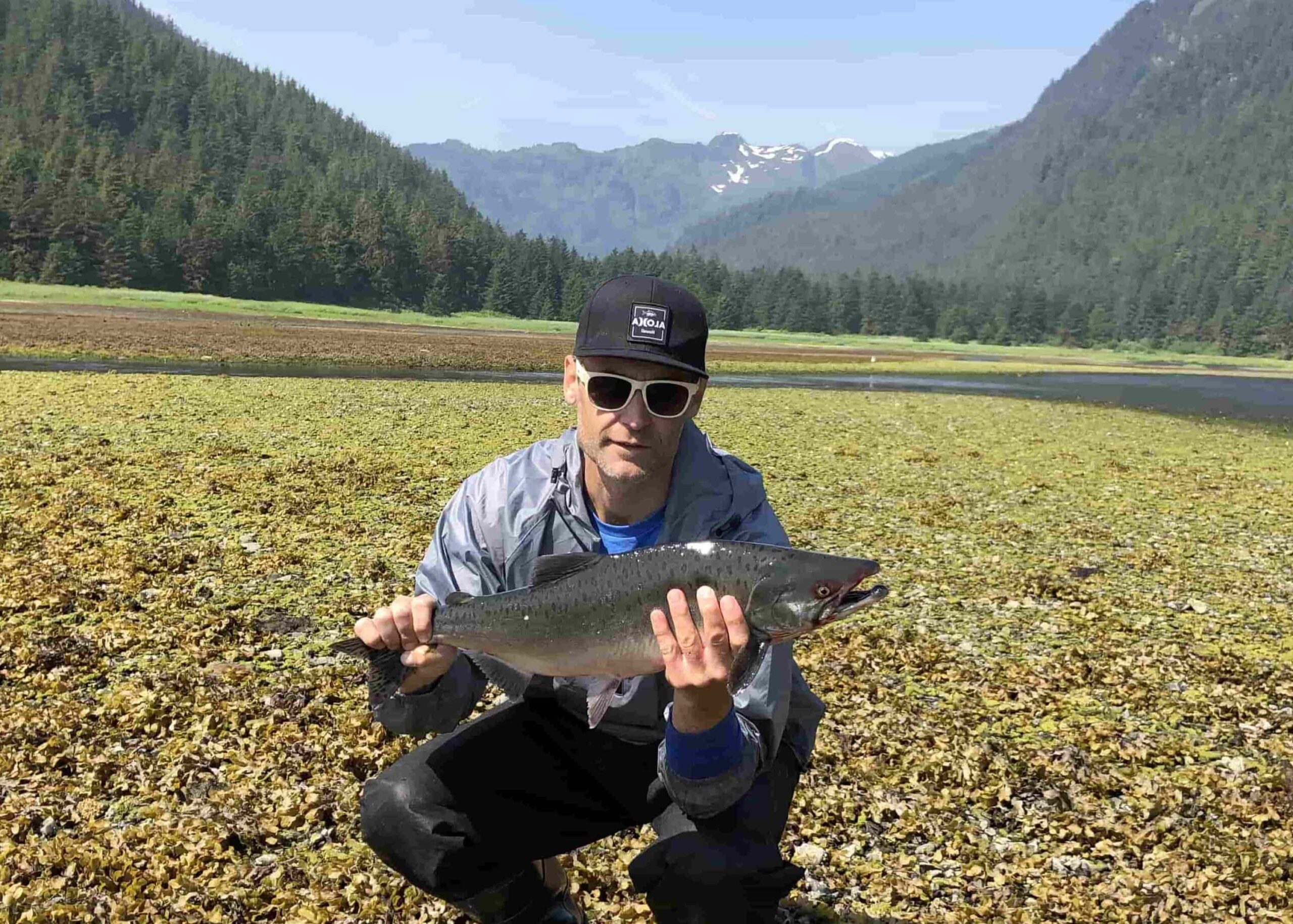
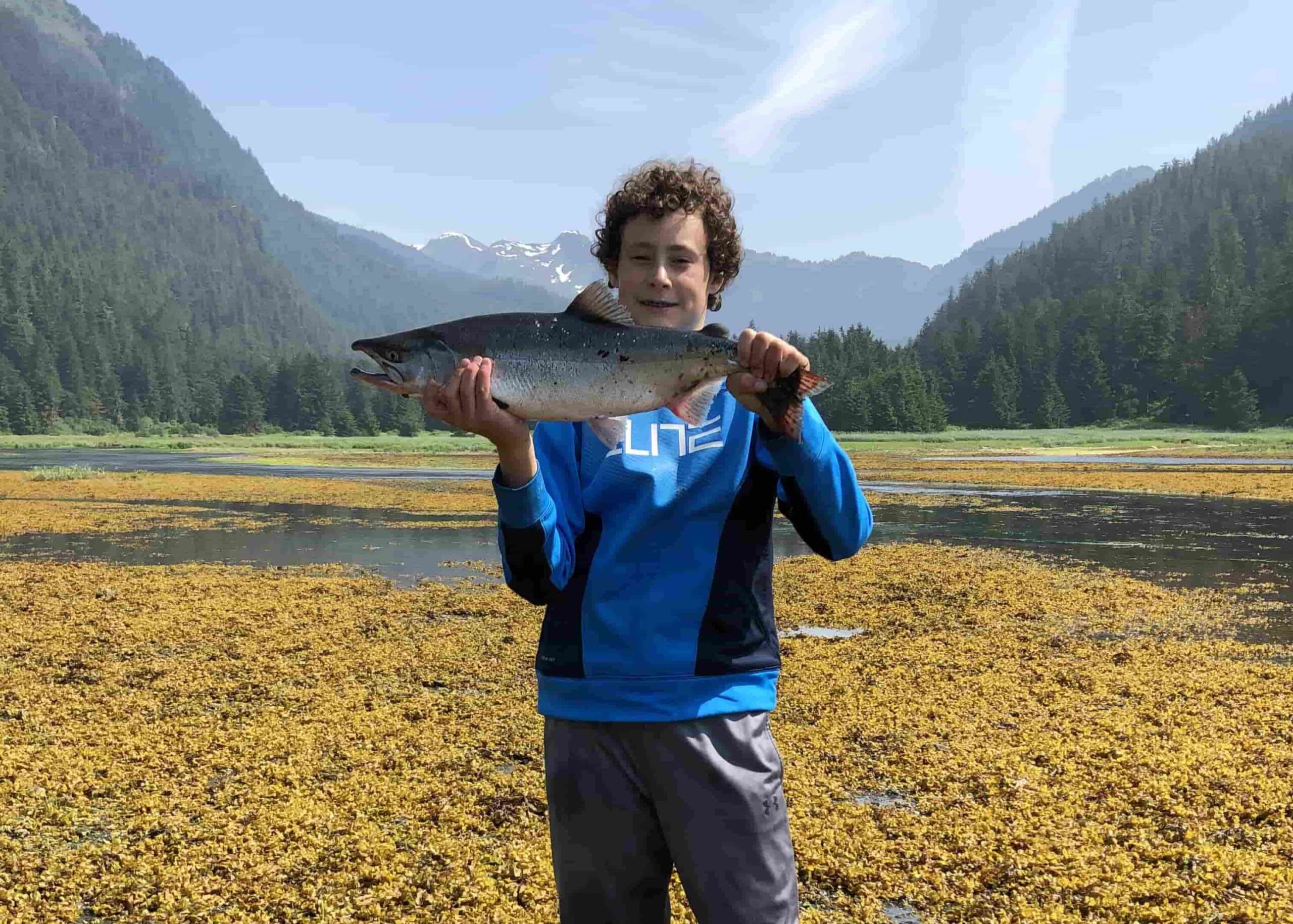
“Once again, I’m super excited because I got to read another salmon article. These species are so fascinating to me, and I look forward to the chance to re-target them. The article briefly introduces the different species in the salmon family and how they are spread across the country in various bodies of water, whether it be streams, lakes, rivers, or even oceans.
In addition, the article mentions the apparent rise in salmon fishing popularity as many are drawn to these fish for various reasons, such as taste, fight, and looks. After this brief introduction, the article dives straight into the spots around the US where to catch salmon. While I have never fished in Bristol Bay, Alaska, I did have a chance to fish in the Kenai River, where my family and I enjoyed spectacular salmon action for multiple days.
Not only did this trip provide a ton of fun for us, but it also sent us home with hundreds of pounds of fresh fish. I also haven’t had the opportunity to fish in the last four places listed in this article, and honestly, I don’t think I want to go to many of these places to chase salmon. I don’t mean to bash the rest of the country and the fishery, but I will say that once you have fished for salmon in Alaska, there isn’t any going back. Alaska has the best salmon fishery on this planet, and the scenery is also spectacular.
In addition, you often won’t find the crowds fishing for salmon in Alaska like you would somewhere like New York. The scenery was so spectacular that you could just sit there and look around all day and never have to put a line in the water to get your fill. I can’t even begin to describe some of our experiences. We were fishing in the middle of a remote Alaskan river, mountains surrounding us on one side, the sea off in the distance on the other, all the while fishing beside hungry grizzly bears eating the salmon we were trying to catch.
And no, not just a couple of salmon here and there, but so many salmon that you would run hooks across the backs of the pink salmon and snag them. If I were to add one place to this list for salmon, I would put a bid forward for Cordova, Alaska. Cordova is a quiet fishing town with a tiny population and a great lodge called Orca Adventure Lodge. The hosts were amazing, and we couldn’t have had any more of a great time.
If you are more interested in catching salmon, I highly suggest further research and conversations with locals. Like I always say, locals will almost always be your best bet for finding quality information, so don’t let your pride get in the way of some old-timer fishing knowledge. I hope you found this article as interesting and fun to read as I did. As always, good luck and tight lines!”