
Any question about the article?
Please use your work e-mail, so we can connect with you
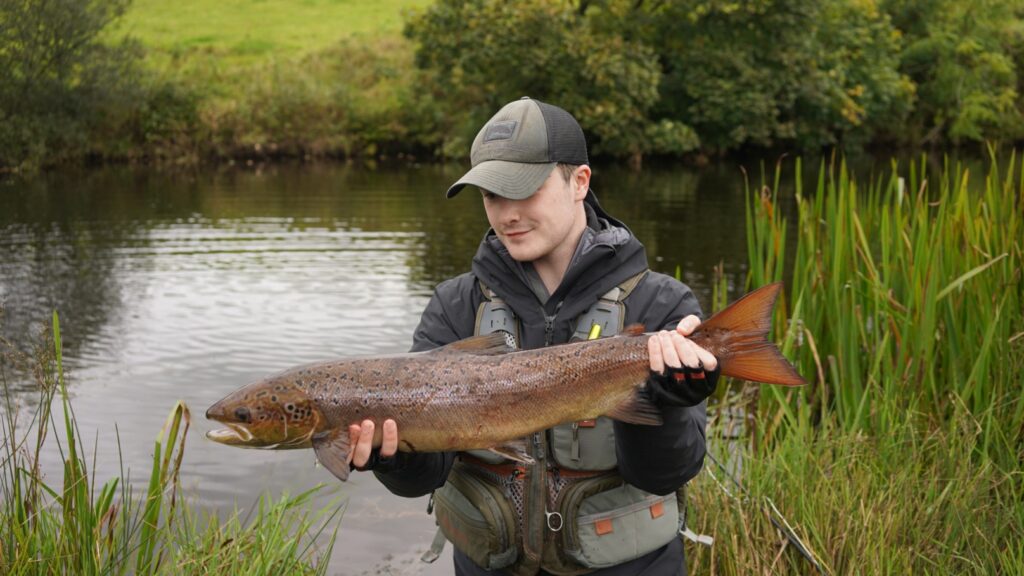
Before getting into the guide itself, it is worth explaining where this advice comes from. My name is Daniel O’Neill, and I am an avid fisherman with over 15 years of fly fishing experience across both freshwater and saltwater. Over the course of my fishing journey, I have landed double figure fish on the fly and have taught many anglers how to fly fish, including helping anglers land rainbow trout up to 20lb.
I have travelled internationally in pursuit of different species and have spent the last five years writing about fishing. This guide is built from that experience, but also from the mistakes, confusion and small lessons that every fly angler goes through at the beginning.
My first outing fly fishing was with my father. He took me to a stillwater rainbow trout fishery. Paired with a loop fly rod and reel, I couldn’t wait to get started. At that point, I expected fishing to mean pulling one in after another. However, to my surprise, it was rather the opposite. My casting was awkward, I had too much line out in the water, I had selected the wrong fly and after missing take upon take, I started to overthink everything.
On this day, I was met with the thrill of a rainbow trout bowing over the water’s surface. As ripples spread out, I tried to cast on top of it, spooking the fish and having it dart away. As time went on, I waited for my next chance. Then it came. Slow retrieve with a nymph. Bang. The line tightened, I braced to strike, pulling down the line and lifting the rod. However, I pulled the fly out of the fish’s mouth, losing it and missing my first rainbow on the fly.
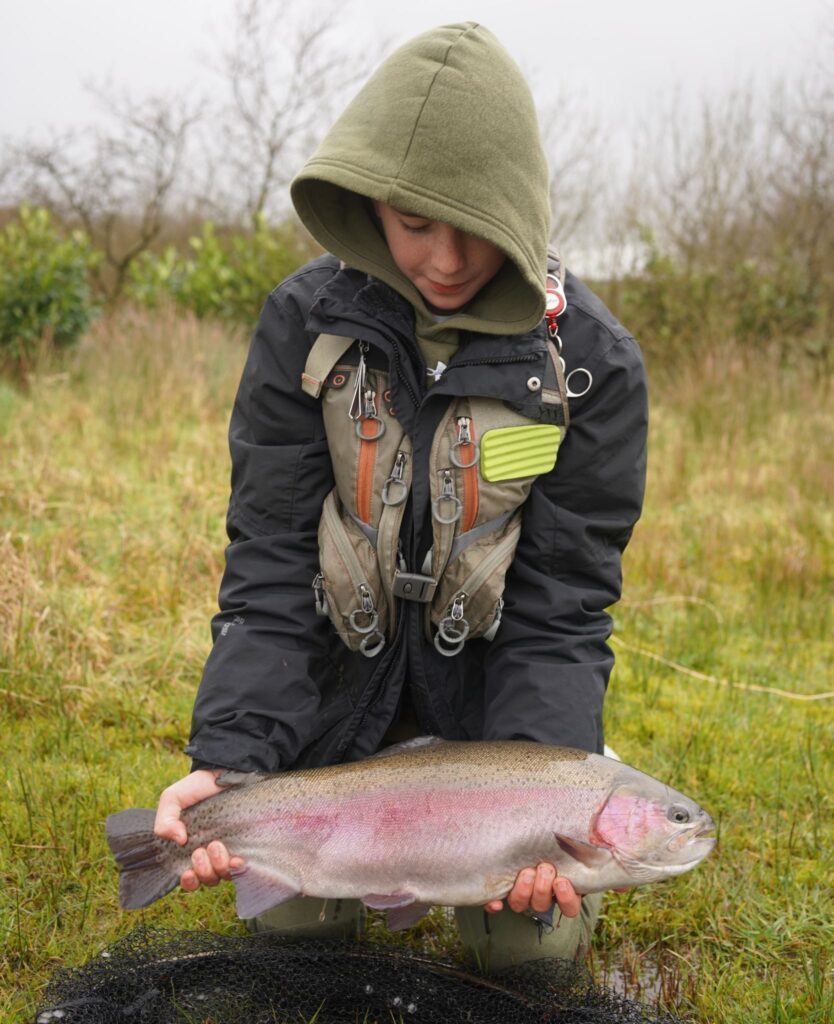
The next fish exposed another mistake. I was fishing with a barbless hook, but I hadn’t set the drag correctly on my reel. When the fish raced off and pulled the line, the drag was too tight and the hook popped free. Then came the knot. Under pressure, it gave way as I tried to bring the fish in. My father later pointed out that I had likely caused it myself by not lubricating the knot before tightening it down.
From those early mistakes, I learned that while a beginner does not need to master everything, they do need to understand what problem they’re trying to solve at each individual stage. Beginners are often overwhelmed, as fly fishing has its own language and it can feel like every mistake has a different cause.
Therefore, I have structured this guide to cover the essentials without burying you in specialist information. This article aims to cut through that language for all anglers internationally. While the destination changes from stillwaters to warm rivers, tight streams, salt flats and urban waters, the principles travel, even if the species and flies change.
Many anglers start in conventional fishing, where the weight of the lure or bait carries the cast. However, in fly fishing, this is rather the opposite. The line itself carries the cast, drastically changing the principles that an angler has already learned.
From casting and gear choice to the way fishermen approach different fishing scenarios, everything is flipped on its head. The fly is often the lightest part of the entire system. In some instances, it is almost weightless. This is why beginners who approach a lake or river and try to throw the fly often fail.
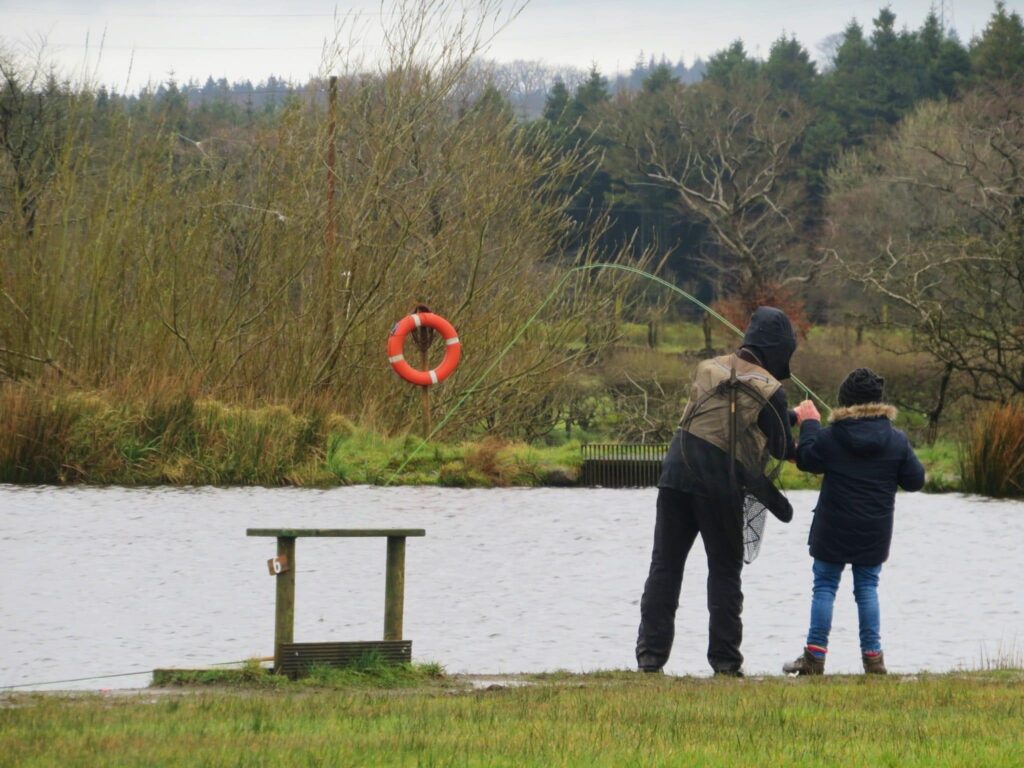
The key shift is understanding that you are not trying to throw the fly itself. You are casting the line, and the fly follows it. My father explained this to me as letting the fly rod and line do the work, rather than trying to muscle the fly forward.
In non fishing terms, the fly rod acts as a lever, the fly reel stores line and helps control fish, and the fly line is the weight that carries the cast. The leader is the clear connection point between the fly line and the fly, while the fly itself is designed to entice fish to strike.
A fly can suggest movement, food or the vulnerability of prey. It can imitate a wide selection of natural food sources, from insects and crustaceans to small fish. There are even frog and mouse patterns for larger species, while some flies imitate fish eggs, worms or simply use a prominent colour to trigger a strike.
Beginner fly fishermen struggle less because of a lack of equipment and more because they try to learn a wide range of variables at once, overcomplicating a relatively simple process. If I were starting again, I would learn with one rod, one line and a small, compact fly box before trying to chase any specialist setup.
The best beginner setup is not one that can do everything. It is one that lets you learn what is happening on the water. Simplifying before you specialise gives you a better opportunity to develop and make your fishing journey more efficient.
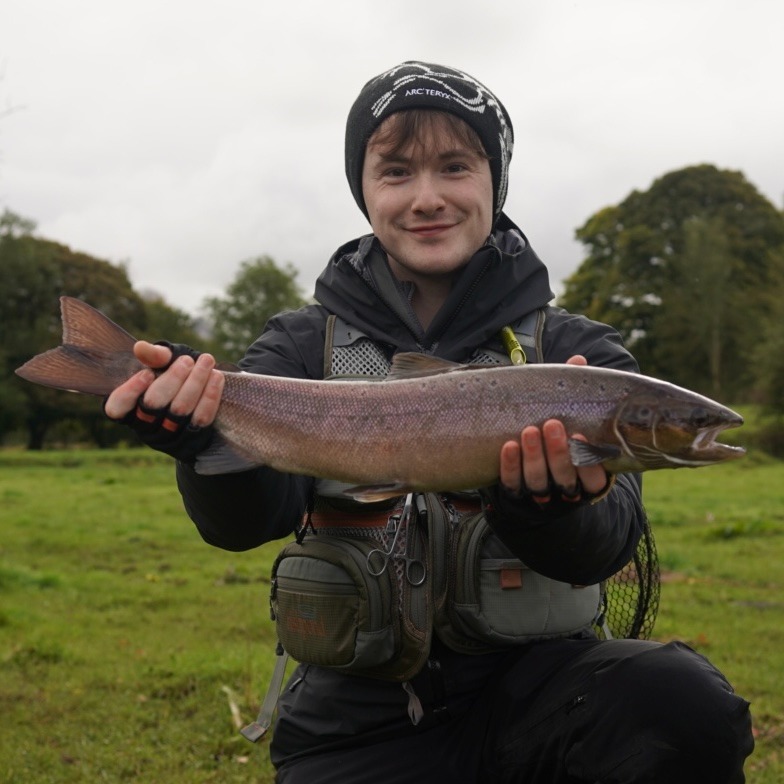
Many anglers approach a riverbank or lake and immediately try to cast for distance. In many scenarios, this is a mistake. Fish often sit much closer than beginners expect, sometimes right at your feet. You do not always need a 20-metre cast to catch fish.
You will also learn that good presentation often beats imitation. The way you present and retrieve your fly is often more important than fishing with a highly detailed, hand-tied pattern. A good fly fished badly is still being fished badly.
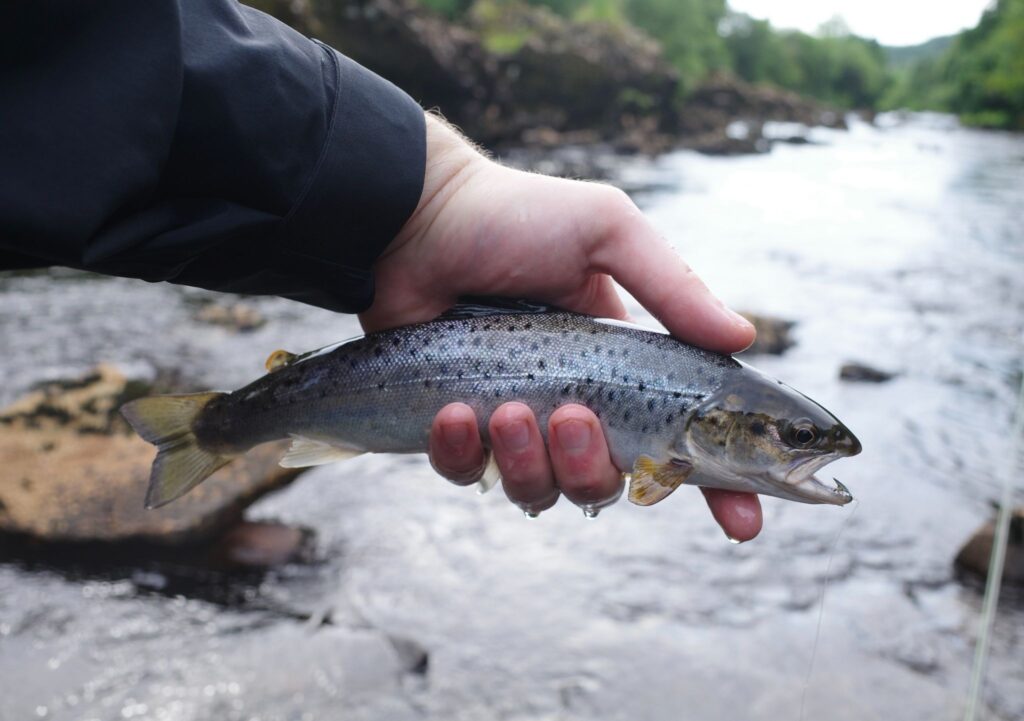
A major part of fly fishing is reading the water. Anglers can spend too much time changing flies and trying new patterns when, in many instances, they first need to find the fish and understand where they are feeding. This could be wind pushing flies and insects towards a bank, creating a feeding area, or fish rising to the surface, where switching to dry flies may be the better option.
A rod’s power in fly fishing is typically dictated by its line weight. A 4-weight fly rod is considered suitable for smaller, more delicate species such as brown trout and grayling, especially when fishing small streams. The industry standard in freshwater fly fishing is a 5-weight fly rod, which is typically used for trout and gives a good balance between delicacy, control and enough strength to handle a wide range of situations.
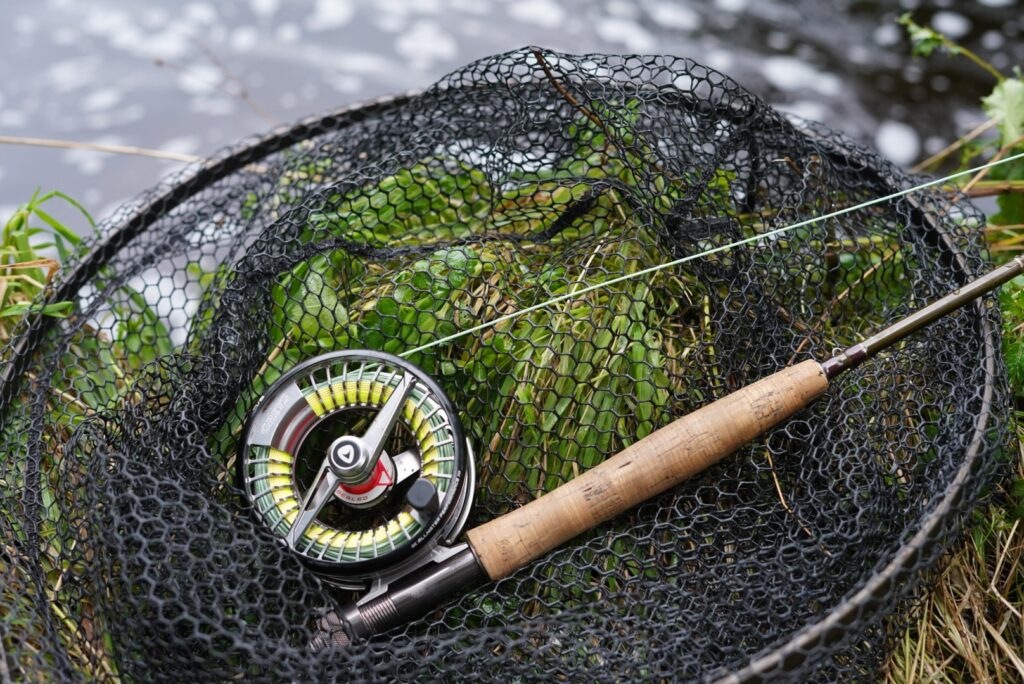
A 6-weight fly rod starts to lean towards larger fish such as salmon and bigger trout. It also gives you more control when casting heavier streamers and nymph patterns.
In the 7 to 8-weight range, you can begin to cover larger sea bass, pike, light saltwater species and bigger flies. A 9-weight rod takes you into stronger fish and more demanding situations, including bonefish, smaller triggerfish in open flats, salmon and larger predators. From 10-weight upwards, rods are generally built for much heavier species such as GT and tuna.
If someone asked me for the best rod to start fly fishing, I would recommend a 9-foot 5-weight. For most beginners, it offers the right balance between strength, control and enjoyment. It also allows you to target a wide range of smaller freshwater species such as rainbow trout, brown trout and cutthroat trout. For anglers who already know they want to target larger species or throw bigger flies, a 6-weight or 7-weight may be a better choice, depending on the scenario.
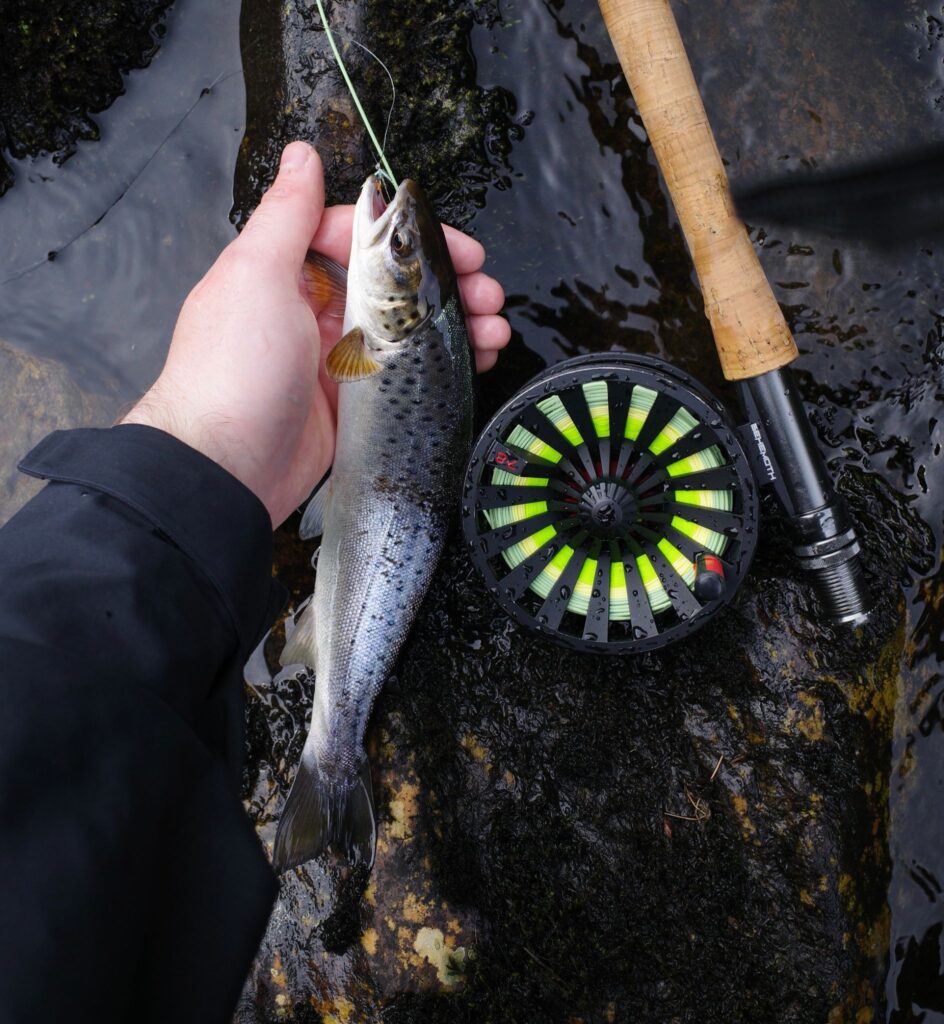
Personally, I am a big advocate for Loop, Redington and Orvis fly rods, as good beginner and intermediate purchases.
A reel stores line, balances the fly rod and helps control powerful fish. In many fly fishing scenarios, the rod and line are more important than the reel itself. When fly fishing for trout, in a number of instances, the reel is not always necessary to bring in the fish.
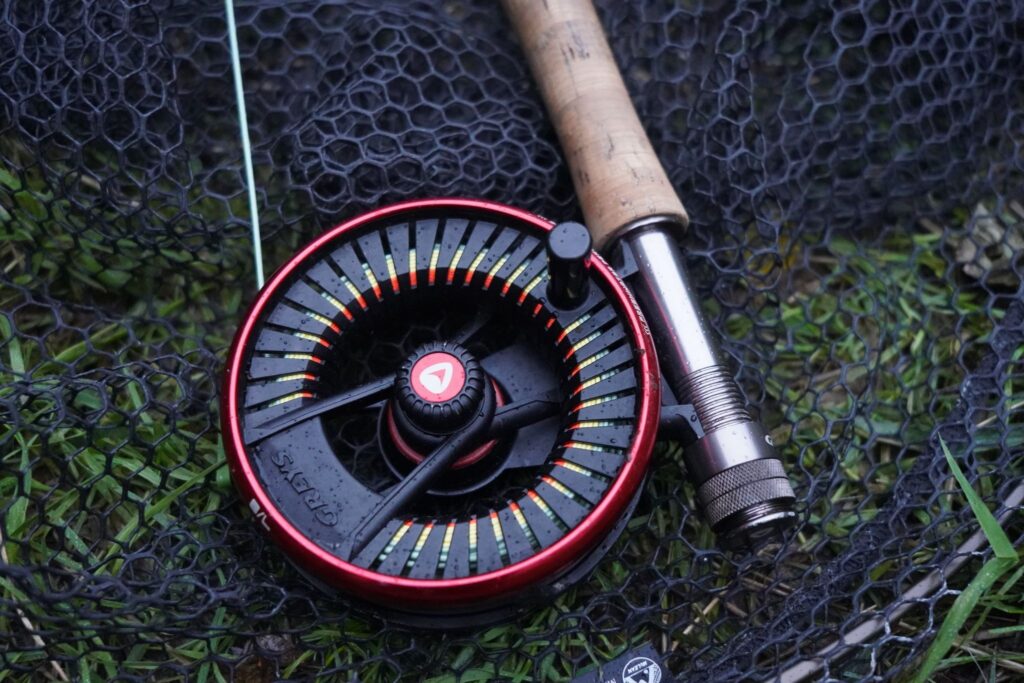
However, for hard fighting salmon and saltwater species, drag quality becomes essential. These powerful fish can exert an extreme level of force, so the reel needs to slow the run and help tire the fish without breaking the line or pulling the hook free.
Beginners should avoid spending too much on a reel before they understand the species they are targeting. On many beginner trout days, the reel is mostly a line holder. On a flat, with a bonefish running away from you, it becomes a braking system.
Always pair a reel with the corresponding fly line and fly rod weight. A perfectly matched setup should feel balanced when resting on your index finger just in front of the cork grip.
In fly fishing, the two most common forms of fly line are floating lines and sinking lines. I would suggest a floating line as the best starting point for most beginners.
Floating lines can handle dry flies, mini nymphs and some streamers, giving you a variety of flies and techniques to test, understand and learn. Sinking lines or sinking tips can usually wait until the basics have been learned.
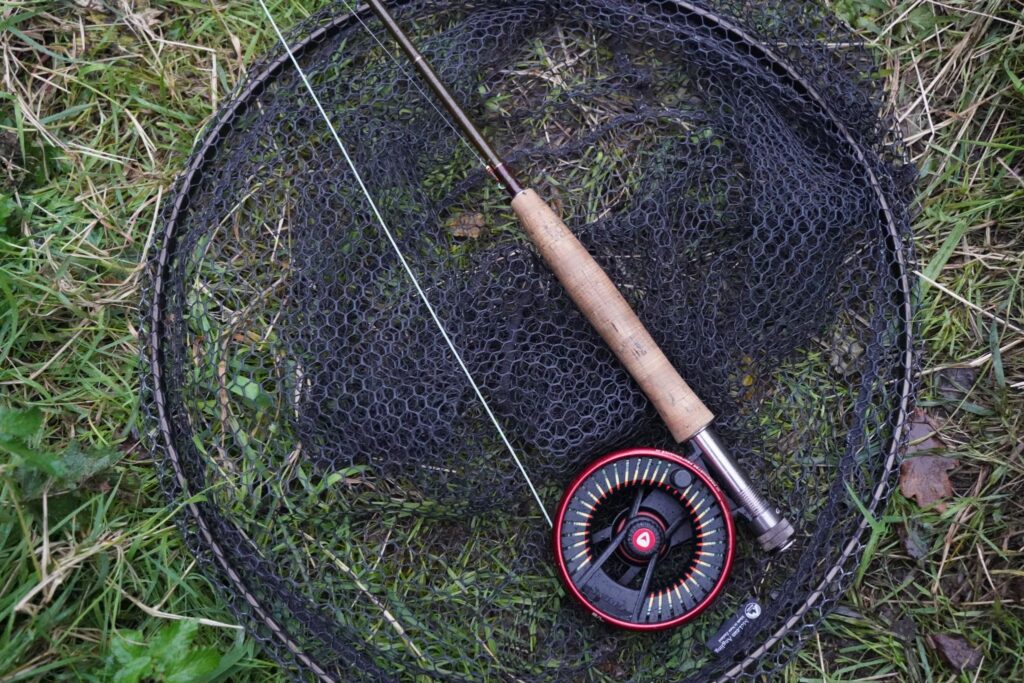
However, if you are fishing deep stillwaters where it is important to get the fly down to depth, or very fast-flowing saltwater or freshwater rivers, then a sinking tip or sinking line may be needed to move the fly down through the water column.
A good fly line can often make a budget rod cast better than upgrading the rod itself.
The leader transfers energy from the fly line to the fly itself, while the tippet is the replaceable final section that connects directly to the fly. Beginners often start with a 7.5-foot or 9-foot tapered leader. From there, you match the tippet to the fly size and the fish you are targeting.
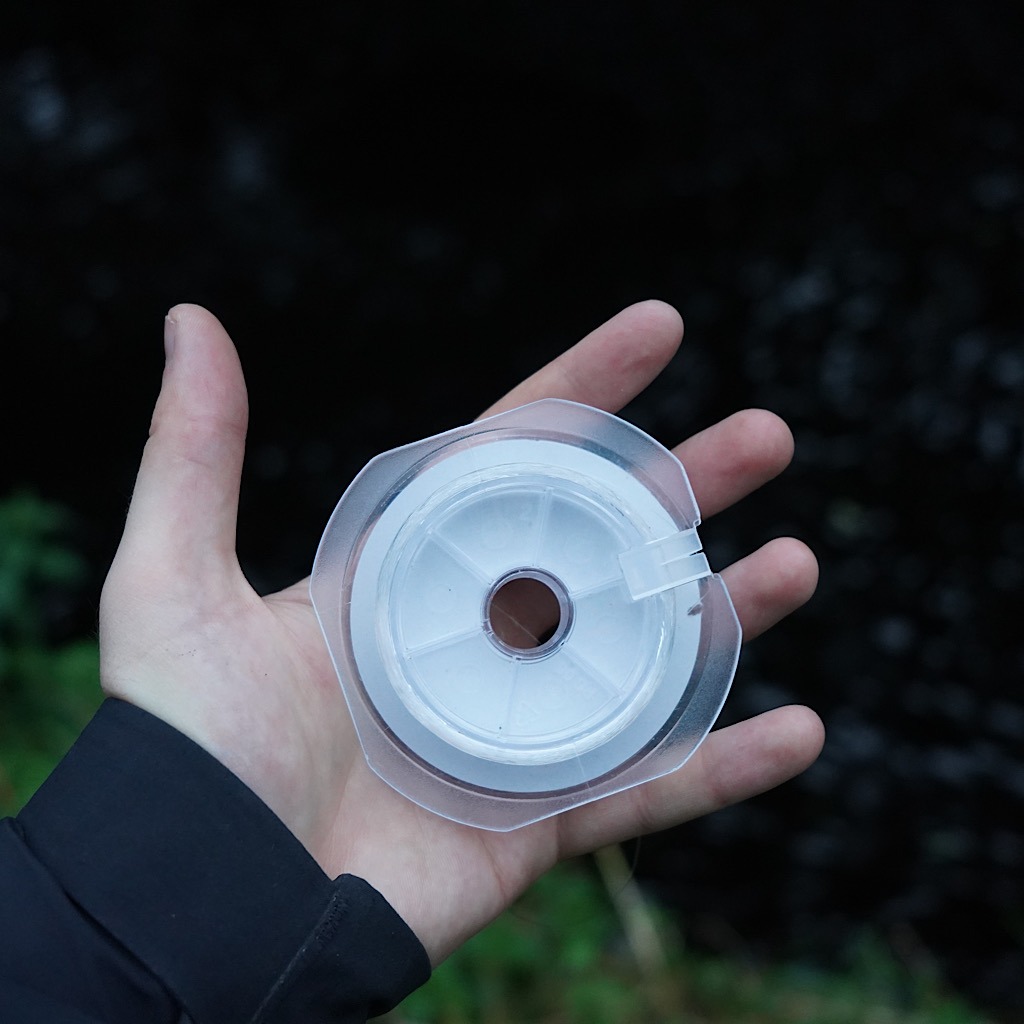
Smaller dry flies are usually paired with a much finer tippet, often around 2lb to 4lb breaking strain, so the tippet is less visible while it sits on top of the water. Nymphs are commonly fished on fine to medium tippet, often around 4lb to 6lb, allowing them to drift more naturally through the water.
For streamers and bigger fish, a heavier tippet is usually needed, often around 8lb to 12lb or more, depending on the species and the size of the fly. Toothier species, such as pike, require wire or a specialist bite tippet to stop the fish cutting through the line.
It is important to note that poor knots and damaged tippet can lose fish. This often happens when beginners create wind knots while casting. As soon as a wind knot forms in the tippet, it creates a weak point. When a fish pulls with force, the tippet can snap at that point. After every few casts, I recommend checking your tippet to make sure there are no wind knots, rough sections or weak points before continuing to fish.
As a beginner fly fisherman, it is important to understand the main types of flies without getting buried in patterns, names and small variations too early.
Dry flies sit on the surface and are used when fish are rising or feeding near the top of the water. Watching a fish rise and take a dry fly is one of the most exciting moments in fly fishing. Nymphs are fished below the surface and imitate aquatic insects and other small food items drifting through the water. Streamers are used to suggest larger moving prey, such as baitfish or leeches, and are usually retrieved rather than left to drift naturally.
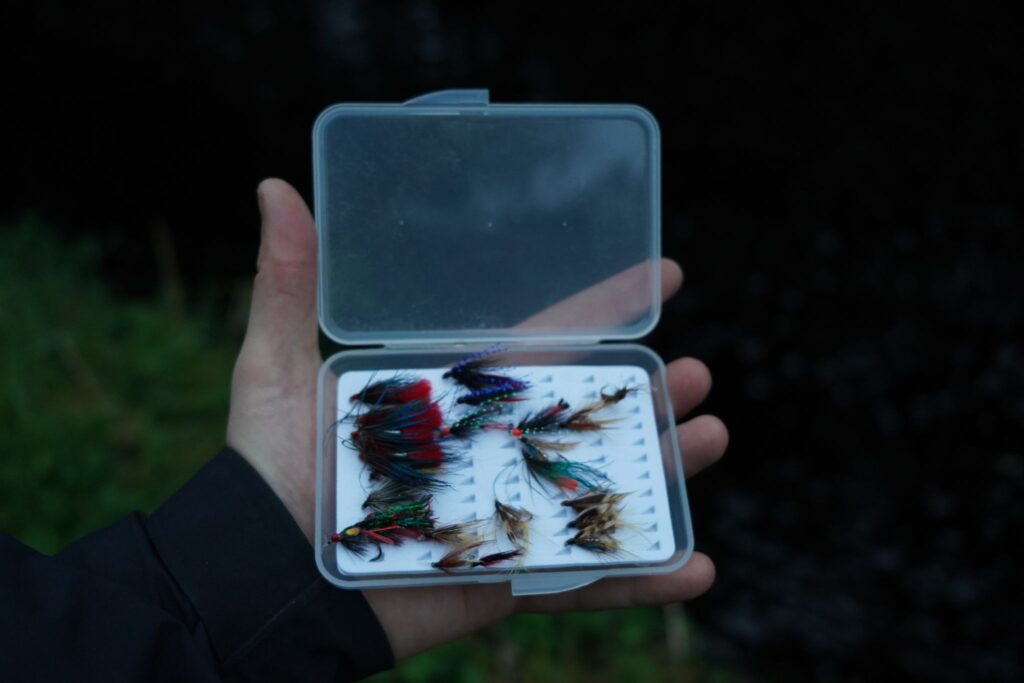
Wet flies and soft hackles sit somewhere between these approaches. They can suggest drowned, emerging or struggling insects and are often fished just below the surface with a slower retrieve. Terrestrial patterns imitate land-based insects that end up on the water, and they can be highly effective when fish are feeding close to banks, under trees or along wind lanes. Saltwater flies follow the same general idea, but they are designed around different prey and are fished according to the species, current and depth in front of you.
For a beginner, the aim should not be to carry a packed fly box. It is far better to understand a small selection of proven patterns than to own dozens of flies you have no confidence in. A good starting box might include a few general dry flies, such as an Adams, Elk Hair Caddis or Parachute Adams, a selection of bead-headed nymphs, a couple of unweighted nymphs and a few streamers that are known to work well in your local water.
From there, you can build your fly selection through experience. Pay attention to what fish are feeding on, where they are feeding and how they respond to your presentation. This is where matching the hatch starts to make sense. Rather than guessing, you begin to choose flies based on the insects, larvae or other food sources present in and around the water.
While there are hundreds of variations of waders, boots and accessories, I am going to quickly cover the general gear you need to get started.
I would recommend investing in a high quality pair of polarised sunglasses. If there is one accessory worth spending money on at the start of fly fishing, it is good sunglasses. They are essential for eye protection, but they also help you read the water. There have been many instances where I would not have spotted a fish without polarised sunglasses. They are a staple for any fly angler.
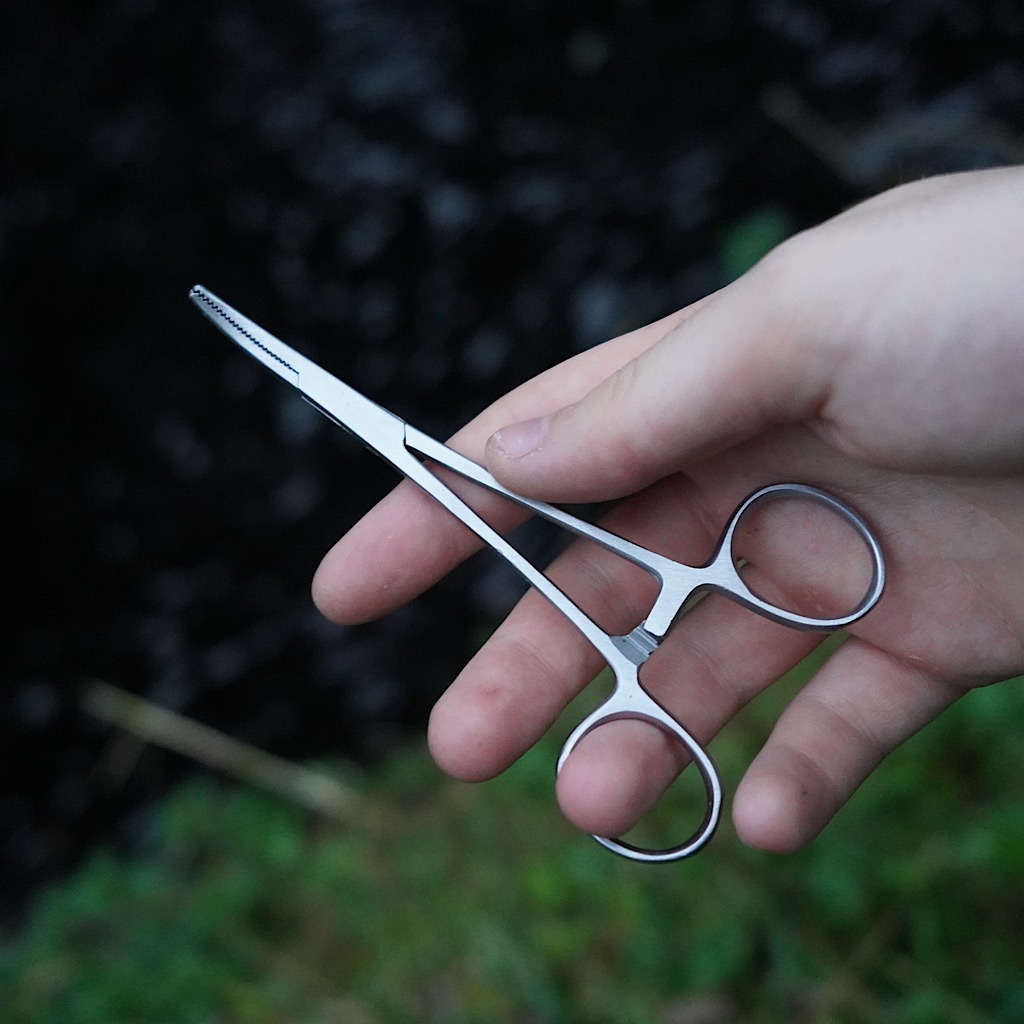
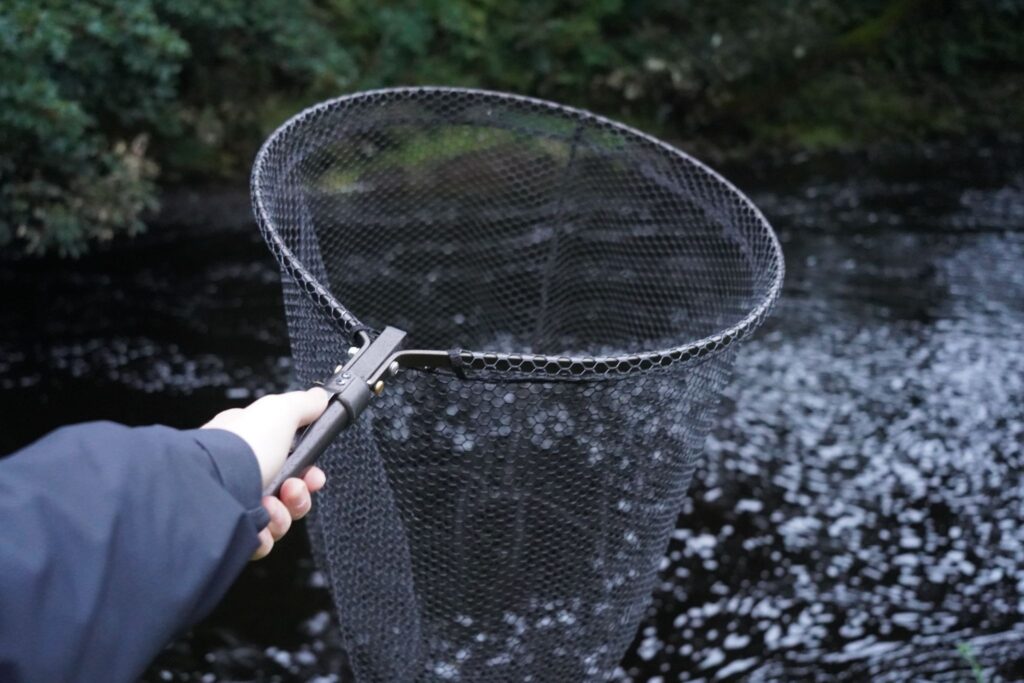
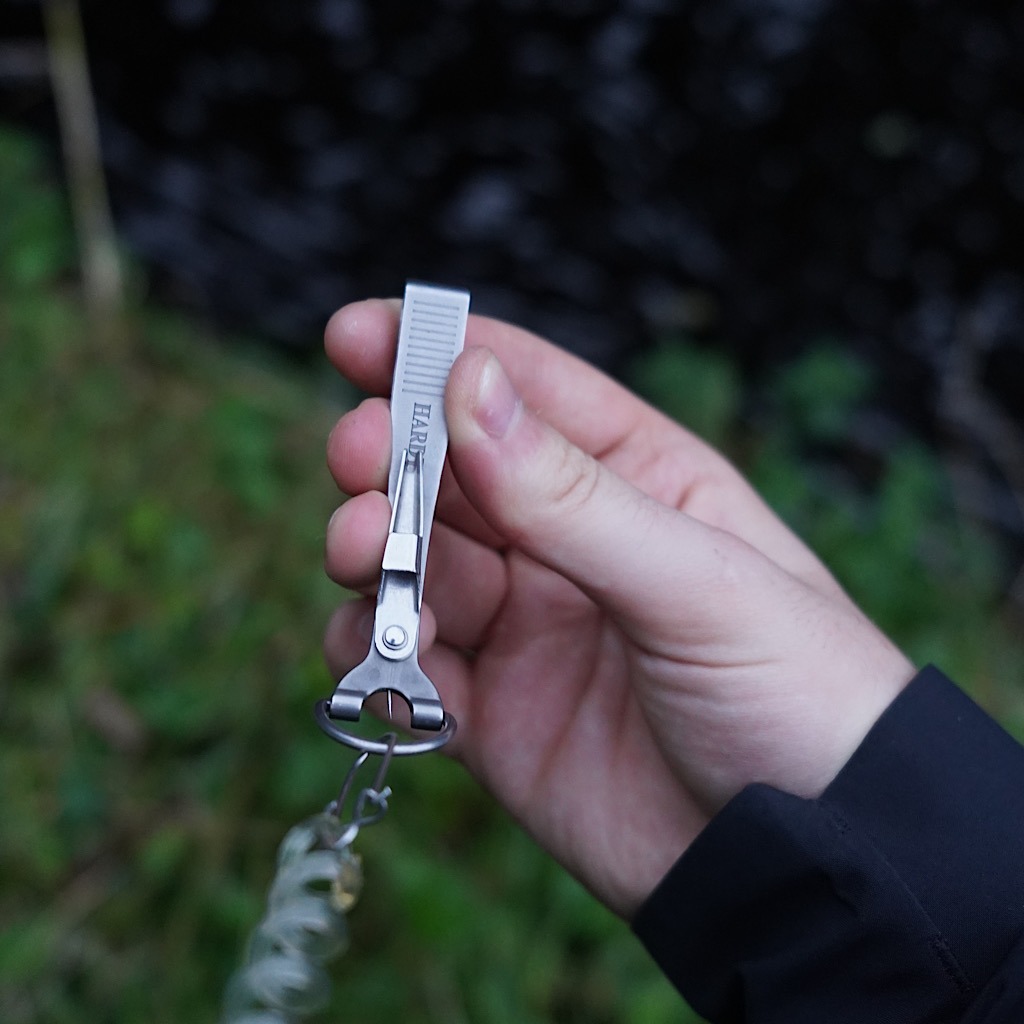
From there, a pair of nippers for clipping line, forceps for removing hooks, floatant for helping dry flies stay afloat, a fly box and a landing net are all useful pieces of gear to have with you.
If you are entering the water, safety becomes more important. A wading staff can help you stay stable, especially in faster water or on uneven ground. Studded wading boots, fitted with metal studs or cleats, can give better grip on slippery rocks. A wading belt is also essential. If water comes over the top of your waders, a belt helps reduce the amount of water that can fill them and makes it easier to get back out safely.
Before entering the water, always check the local rules around wading, felt soles, invasive species and cleaning your gear. These rules can vary depending on where you are fishing, and they are there to protect both anglers and the water.
Fly casting is often overcomplicated. At its simplest, a basic overhead cast starts with a short amount of line, a smooth acceleration of the rod and a crisp stop that allows the line to straighten behind you. The forward cast then repeats the same idea in the opposite direction. The loop forms because the rod bends, stores energy and then unloads into the fly line.
Most casting problems come from trying to force the cast. Beginners often use too much wrist, too much power or too much line before they have control. They may also rush the back cast, drop the rod tip too far or false cast too much over the water. These small mistakes quickly build into tangled line, poor presentation and spooked fish.
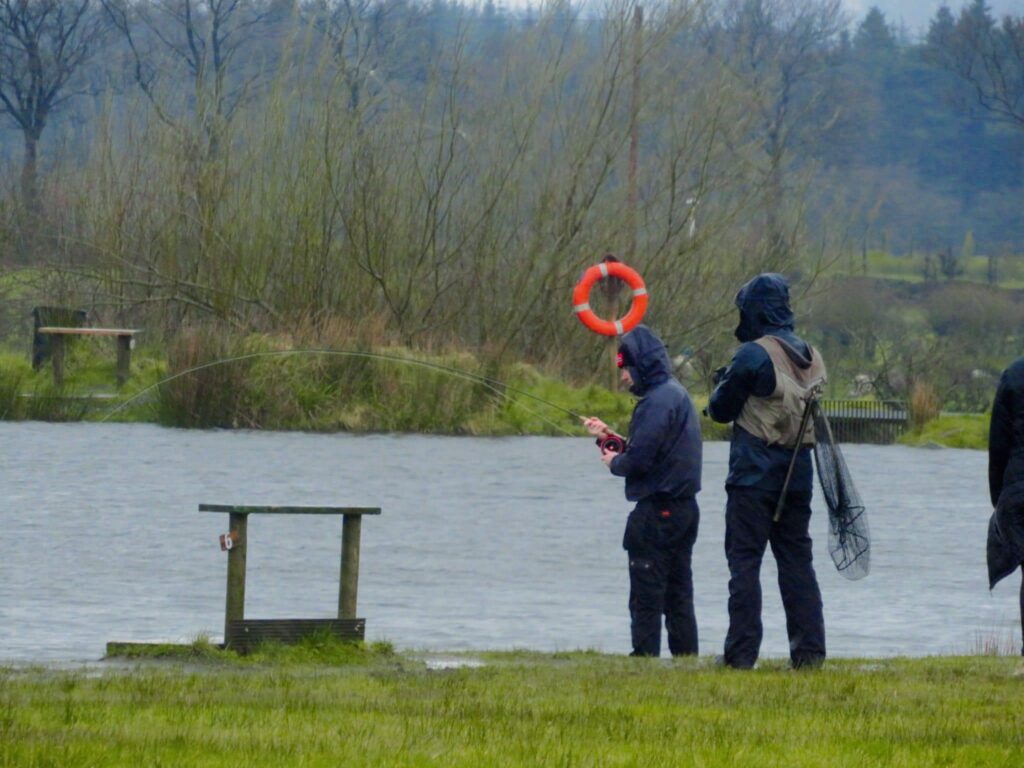
When I teach beginners, I often prefer to start with a roll cast rather than an overhead cast. It may not be the most common starting point for everyone, but I find it more practical. A roll cast begins with the line in front of you on the water. You slowly draw the rod tip back until a D-loop forms behind the rod, with the line anchored lightly on the surface. From there, you make a smooth forward stroke and stop the rod high, allowing the line to roll out across the water.
The roll cast is useful because it teaches control without needing much space behind you. If you are fishing a river with trees at your back, an overhead cast may not be possible. If there are power lines nearby, you should not cast at all. This is an important safety point for every beginner: never cast near overhead power lines.
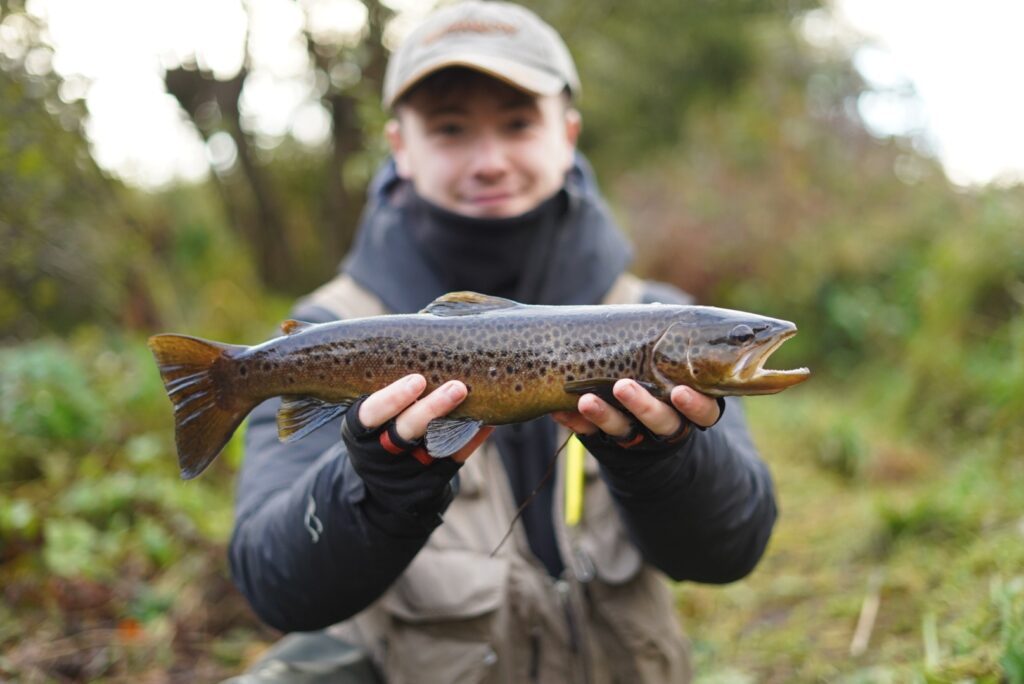
You can practise a roll cast on grass with a short length of yarn or leader, but get onto the water as soon as possible. Water teaches you things that grass cannot, such as mending, drag and presentation. It also shows you that many fish are caught much closer than beginners expect. A roll cast will not always give you great distance, but in many fly fishing situations, distance is not what catches the fish. Control, placement and presentation matter far more.
In fly fishing, presentation is one of the most important aspects to understand. The way the fly arrives, moves and behaves in front of the fish can be the difference between a refusal and a strike.
One of the most common terms linked to presentation is drag. Drag happens when the current pulls the fly unnaturally, making it move differently from the food around it. When fishing nymphs or dry flies, the aim is often to achieve a dead drift, where the fly moves naturally at the same speed as the current.
To help control drag, anglers use a mend. Mending is simply repositioning the fly line on the water so the current does not pull the fly out of position too quickly. A good mend gives the fly more time to drift naturally through the area you are fishing.
In other situations, you may want the current to move the fly across the water. This is known as swinging. As the fly swings through the current and reaches the end of the drift, let it pause for a moment before retrieving. This pause can often produce a strike.
If nothing happens, begin retrieving the fly. This can be done with a slow figure-eight retrieve or with sharper strips of line, depending on thee fly and the species you are targeting. Stripping simply means pulling the line by hand to make the fly move through the water. Pauses during the retrieve are important, as a following fish may strike when the fly stops or changes speed.
The fish does not know the fly’s catalogue name. It only responds to whether the fly looks, and moves like food.
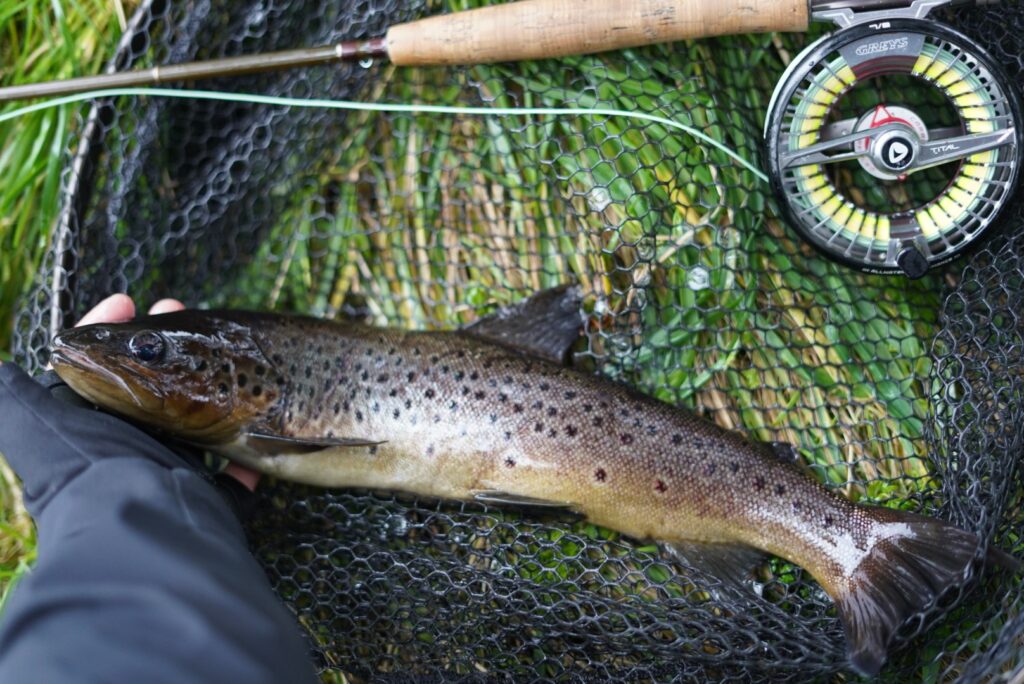
One of the more tedious aspects of fly fishing is learning how to tie knots. While many beginners are put off by this, I would encourage you to invest time in learning a couple of reliable, standard knots. You do not need to learn every knot in fly fishing, but you do need to trust the knots you use.
The improved clinch knot is a good starting point for tying a fly directly onto your tippet. To tie it, pass the tippet through the eye of the fly, wrap the tag end around the main line five to seven times, then pass the tag end back through the small loop near the eye. From there, pass it through the larger loop you have just created, wet the knot, pull it down slowly and trim the tag end.
The surgeon’s knot is useful for joining two pieces of line together, such as adding fresh tippet to a leader or building a dropper setup. To tie it, overlap the two pieces of line, form a simple loop, pass both tag ends through the loop two or three times, wet the knot and pull it tight evenly. A dropper setup allows you to fish more than one fly at once, often with two nymphs or a dry fly and a nymph below it. The surgeon’s knot is simple, strong and useful for quick changes on the bank.
Whatever knot you are tying, always wet it before tightening it down. Pull it tight, test it properly and check that it has seated cleanly. If the line is damaged, rough or showing any abrasion, cut it off and retie. Many fish are lost because of poor knots or damaged tippet, and this is one of the easiest mistakes for a beginner to fix.
Now we have reached the stage every beginner waits for: receiving a strike, setting the hook and landing the fish.
When you receive a take on a fly rod, the strike should be smooth rather than aggressive. Do not rip the fly out of the fish’s mouth. Instead, pull cleanly into the fish, keeping tension in the line and allowing the rod to bend. That bend is important, as it helps absorb the movement of the fish and keeps steady pressure on the hook.
Once the fish is hooked, avoid panicking. Keep the line tight, let the rod work and allow the fish to run when it needs to. Use the reel when needed, especially with stronger fish, but do not obsess over getting every fish onto the reel. In many trout fishing situations, controlling the loose fly line with your hand is enough. The main aim is to keep steady pressure without giving the fish slack.
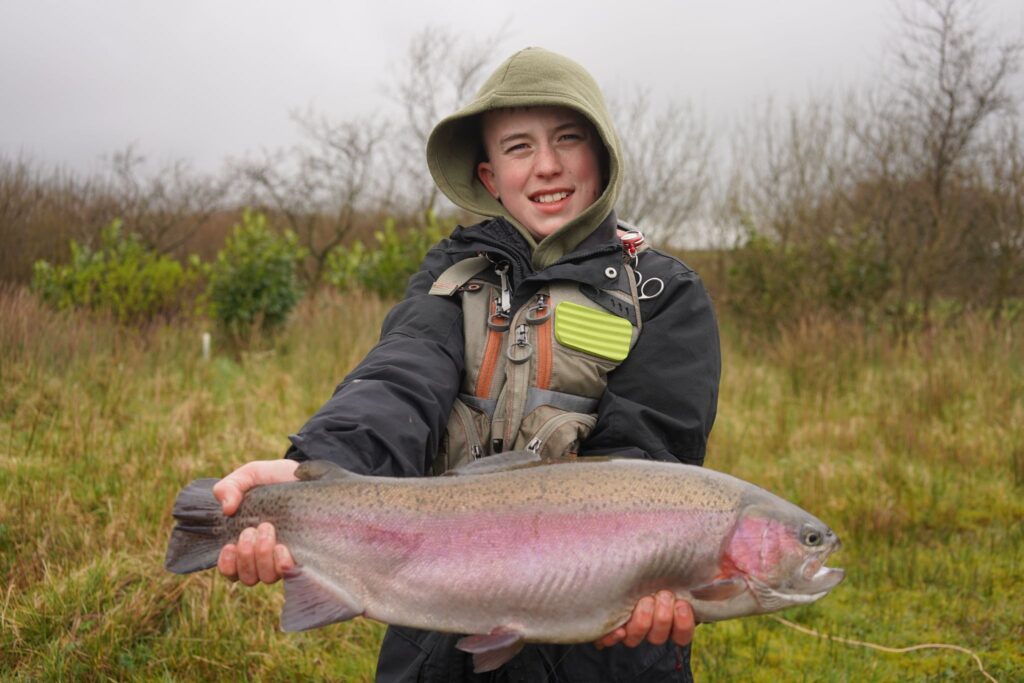
Side pressure can also help steer a fish. Instead of holding the rod straight up the entire time, applying pressure from the side can guide the fish away from weeds. However, if you are planning to catch and release, avoid playing the fish to exhaustion. Land it efficiently, handle it carefully and return it in good condition.
Where possible, use a rubber mesh net, as it is generally kinder to the fish and helps protect its slime coating. When netting the fish, keep the net low in the water and bring the fish towards it rather than stabbing at the fish with the net. Keep steady tension, lift the rod to guide the fish closer and step back carefully if needed. Once the fish is over the net, lift smoothly.
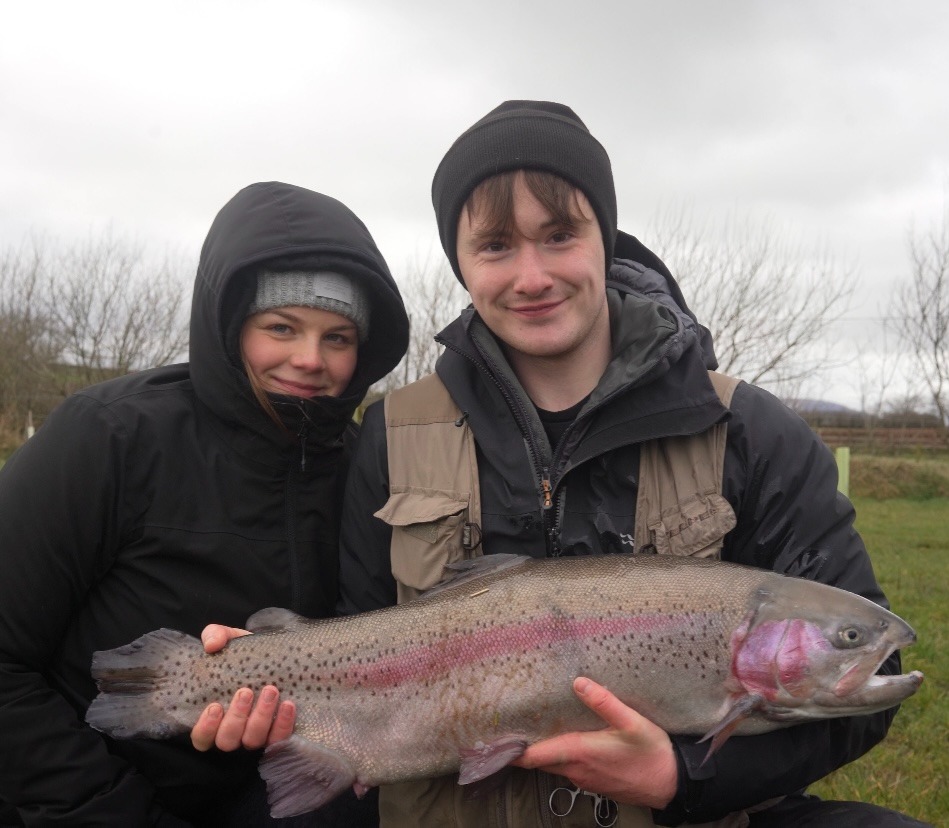
A barbless hook is often easier to remove and can make catch and release much simpler. If you want a quick photograph, wet your hands before touching the fish. Support the fish properly, with one hand under the belly and the other near the wrist of the tail. Keep it low over the water or the net, take the photo quickly and return it as soon as possible.
When releasing the fish, hold it gently in the water facing into the current, or upright in stillwater, and allow it to recover. After a short moment, the fish will usually kick away strongly on its own.
To continually improve your fly fishing, keep a simple fishing notebook. Record the temperature, water level, clarity, weather, what worked, what did not work and any patterns you noticed during the session. Over time, this gives you something useful to refer back to before walking onto the water. Whether it is a notebook or a spreadsheet, the aim is to turn each session into something you can learn from.
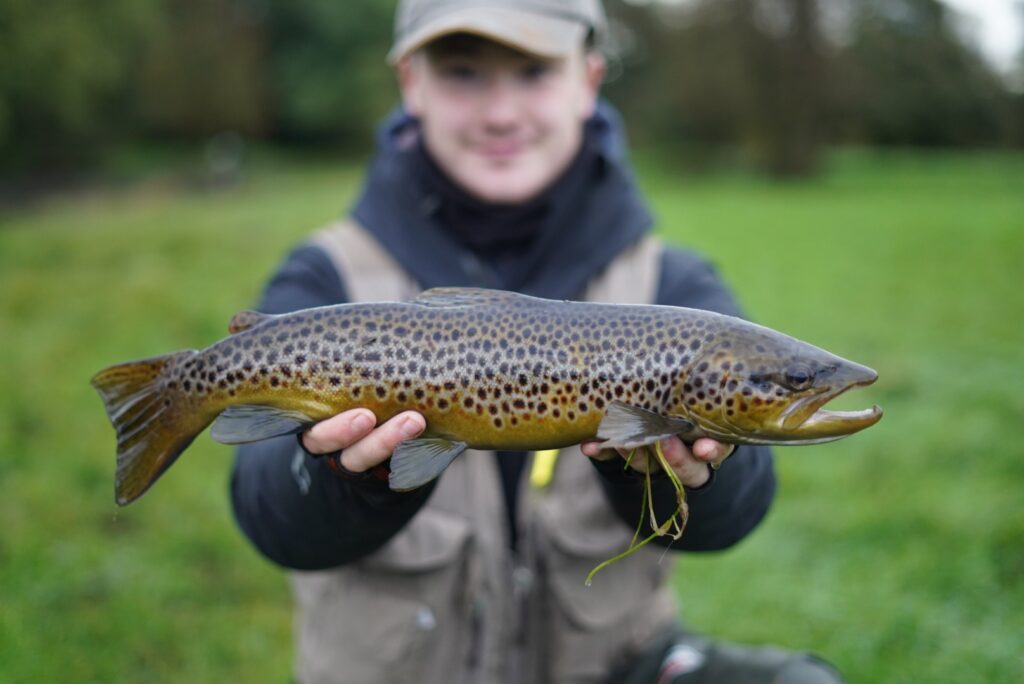
Casting practice also makes a noticeable difference. Ten minutes of regular practice is often more useful than only casting on fishing days. This can be done with a short practice rod, a piece of yarn or simply by practising on a field with enough open space. If possible, spending time with a fly fishing guide or casting instructor can also be a worthwhile investment. It may feel costly at the start, but good instruction can quickly correct habits that would otherwise take months to fix.
I would also encourage beginners to revisit the same water in different conditions. Fish it at different times of the year, in different water heights and on days when you are not completely confident it will fish well. Some of my best days have come from returning to water when conditions looked poor, only to find that low water or a lack of angling pressure changed the fishing completely.
Fly tying is another part of the sport that many anglers enjoy, but it is not essential. Only get into tying flies if it genuinely interests you. It can save money in some cases, but it can also become more expensive once you start buying tools and materials. For a beginner, it is more important to understand a few reliable patterns.
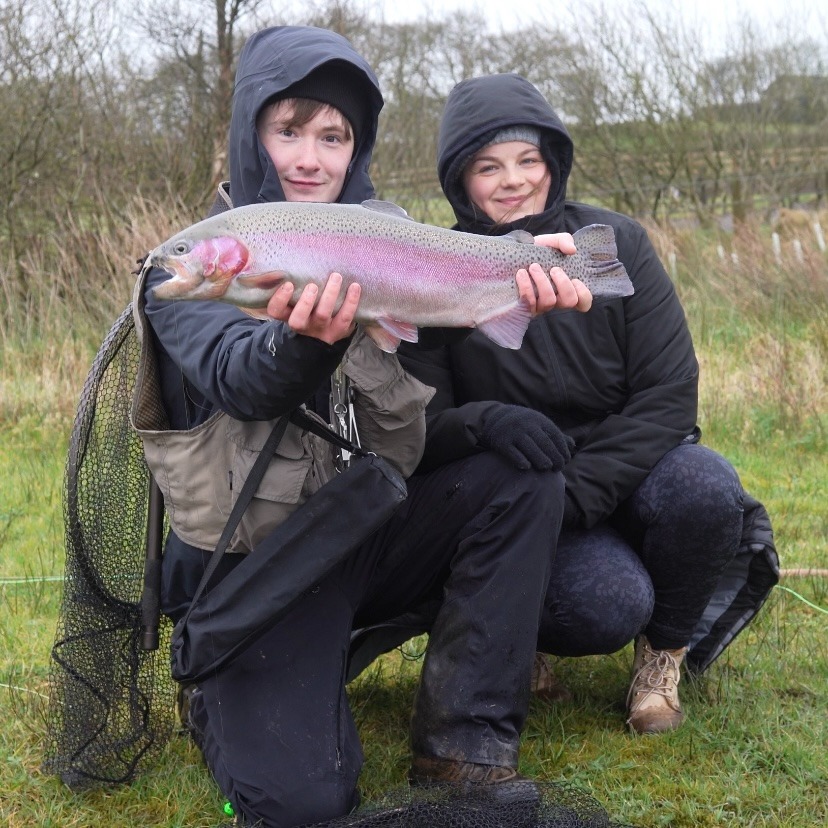
Becoming a good fly fisherman is not about having the most equipment, casting the furthest or naming every insects on the water. The first goal is much simpler: create a safe, controlled cast, recognise likely water and present a fly with intention. Do that consistently, and you are no longer just trying fly fishing. You are becoming a more complete and well balanced fly angler.