
Any question about the article?
Please use your work e-mail, so we can connect with you
Most anglers spend too much time focusing on which bait to use. In reality, presentation, depth, and understanding what trout are actively feeding on often matter far more. You can place the perfect bait directly in front of a trout and still fail to trigger a strike.
Rainbow trout are constantly evaluating risk versus reward. Their feeding behaviour can change hourly, not just with the seasons. A trout feeding aggressively one afternoon may completely ignore the exact same presentation an hour later as conditions, confidence, or feeding opportunities change.
Large trout often behave very differently from freshly stocked fish. Their experience, environment, and feeding patterns can completely change how they respond to an offering.
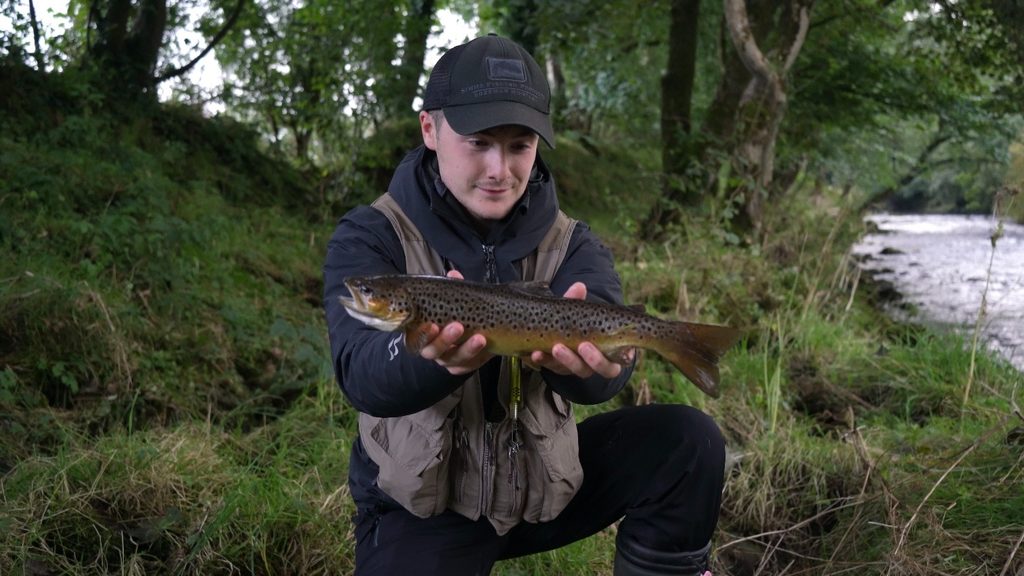
My name is Daniel O’Neill, and I have over 15 years of trout fishing experience, targeting trout across stillwater reservoirs, rivers, and small streams. During that time, I have also helped anglers improve their approach and land trophy trout weighing up to 20 pounds.
Over the years, the way I fish has changed significantly. I moved away from simply changing bait whenever something stopped working and started focusing on understanding why trout accept or reject certain presentations.
I have caught trout on everything from tiny 2mm midge patterns to large articulated streamers and natural bait. Each method has its place, but success comes from understanding the conditions, the fish, and the reason a trout chooses to feed.
This guide differs from the typical generic top 10 trout bait articles. Rather than simply listing baits, I will explain when each approach works, when it fails, and how presentation influences the outcome as much as the bait itself.
By the end of this guide, you will understand how trout select their prey, which bait is most suitable for different situations, how feeding behaviour changes and how to recognise the patterns that consistently lead to more successful fishing.
After more than 15 years targeting trout across different environments, I have learned that many of the biggest improvements do not come from finding a new bait or constantly changing tactics. They come from understanding how trout make decisions.
1. Trout Reject Presentations Far More Often Than Anglers Realise
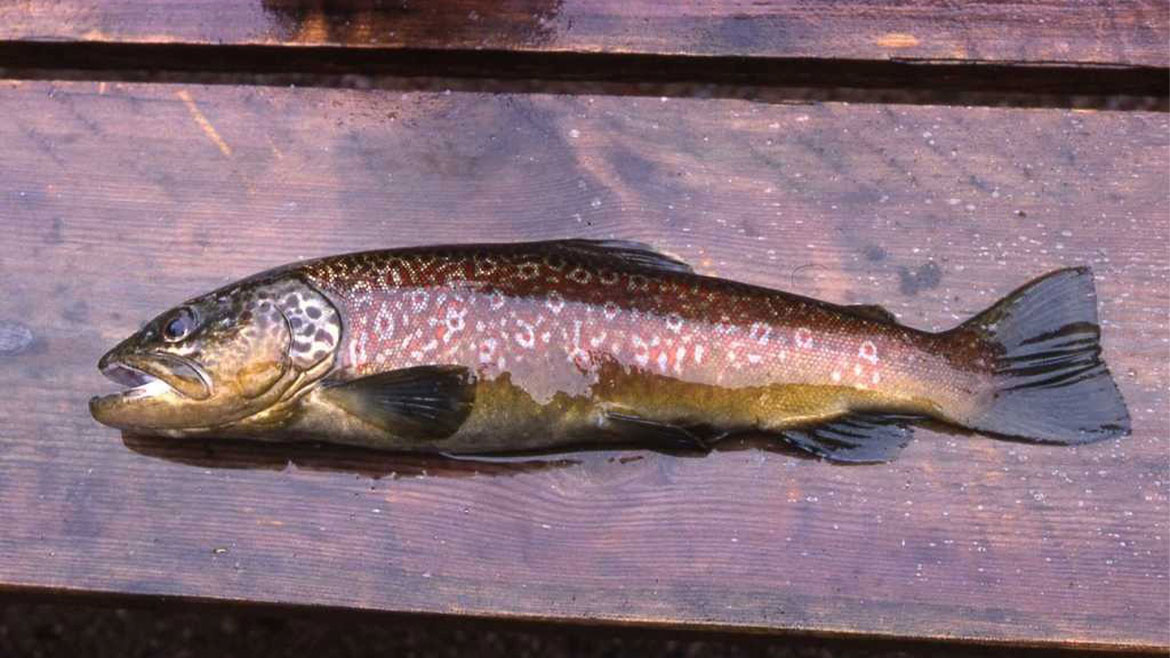
In clear rivers and streams, it is common to watch trout move towards a bait, inspect it, and then drift back into position without committing. Most anglers never see these refusals because they are watching the indicator, rod tip, or line rather than the fish itself.
A refusal is not bad luck. It is feedback. It tells you that something about the presentation did not convince the trout. It could be the movement, position, depth, or simply that the fish did not believe the opportunity was worth the risk. Understanding refusals is one of the biggest differences between experienced trout anglers and those who simply change bait after every missed opportunity.
2. Larger Trout Become More Efficient, Not Necessarily More Aggressive
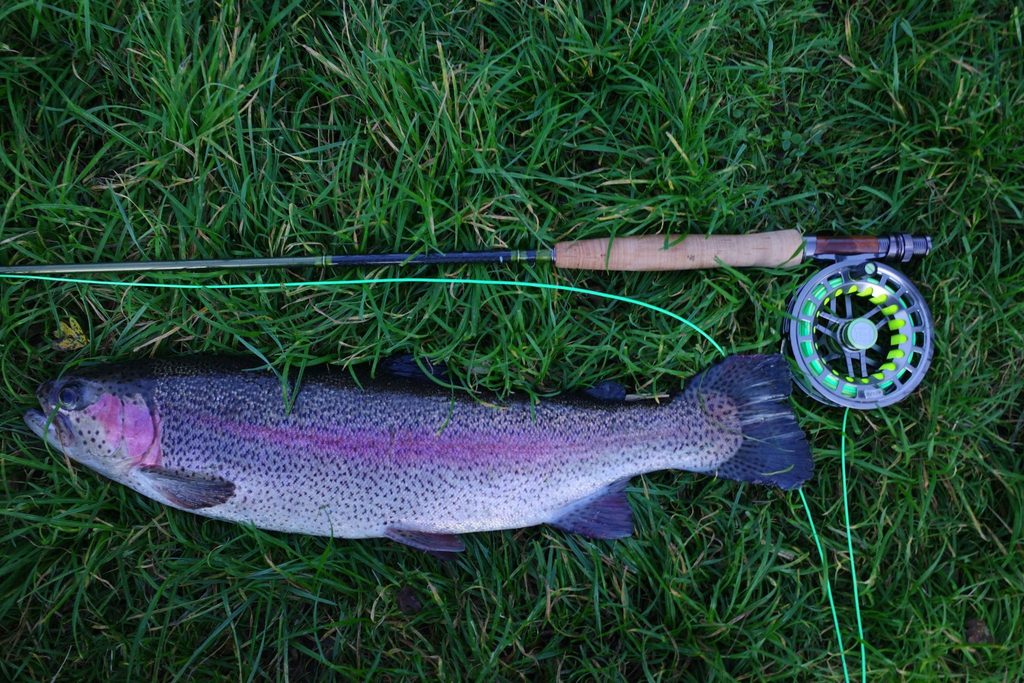
Research into drift feeding salmonids shows that prey selection is closely linked to energy return. As trout grow larger and gain more experience, they often become increasingly selective about the feeding opportunities they take. A large trout does not always need to feed more aggressively. Instead, it becomes better at making efficient decisions.
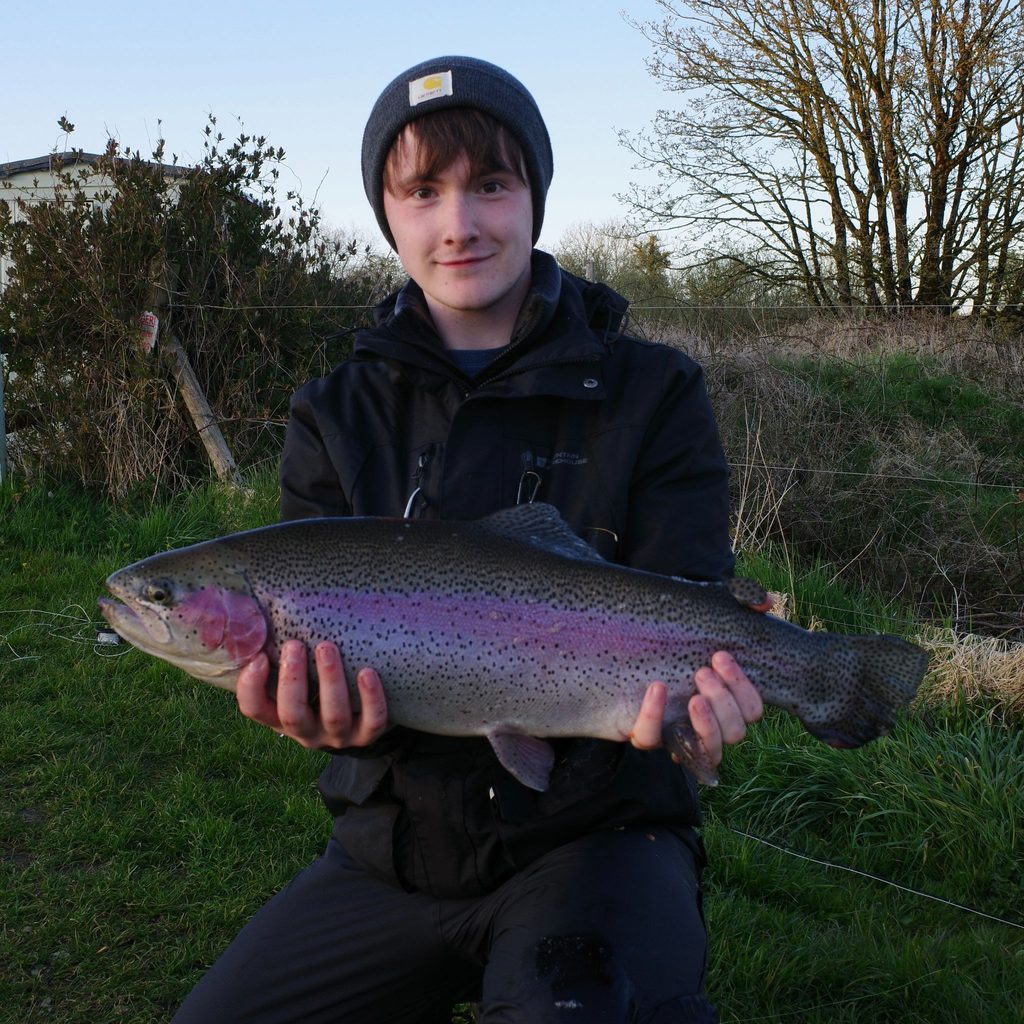
Rather than wasting energy chasing every possible meal, experienced fish often focus on opportunities that provide the greatest reward for the least risk. This changes how you approach bait fishing. Larger trout often require a more considered approach because they are not simply looking for food. They are assessing whether the food source is worth committing to.
3. Depth Is Often A Bigger Variable Than Bait Choice
One of the biggest mistakes I see anglers make is changing bait before changing depth. If I had to adjust one thing first, it would almost always be the depth at which the bait is presented. Many anglers will cycle through several different baits before making a small adjustment in the water column, sometimes only moving their presentation 30 centimetres deeper or shallower. However, trout are not always refusing because they dislike the bait. They may simply not be seeing it in the feeding zone. Finding where trout are positioned in the water column can often have a greater impact than changing what is attached to your hook.
4. Trout Often Feed On Abundance, Not Rarity
Anglers often assume trout are searching for the most desirable food source available. In reality, trout frequently respond to what is most abundant and easiest to consume.Research into drift feeding trout has shown that fish often switch their feeding behaviour when certain prey becomes available in large numbers.
This explains why sudden feeding events can be so dramatic. For example, when large numbers of eggs enter the water from spawning fish, trout can become highly focused on this abundant food source. The same principle applies to insects during heavy hatches, where one food source can dominate trout feeding behaviour for a short period.
The lesson is simple: trout do not always choose the rarest or most impressive food item. They often choose what provides the best feeding opportunity at that moment.
5. The First Cast Often Has The Highest Probability
Trout that have not detected an angler behave differently from trout that know they are being targeted. The first approach, first cast, and first presentation are often your best opportunity because the fish are still behaving naturally.
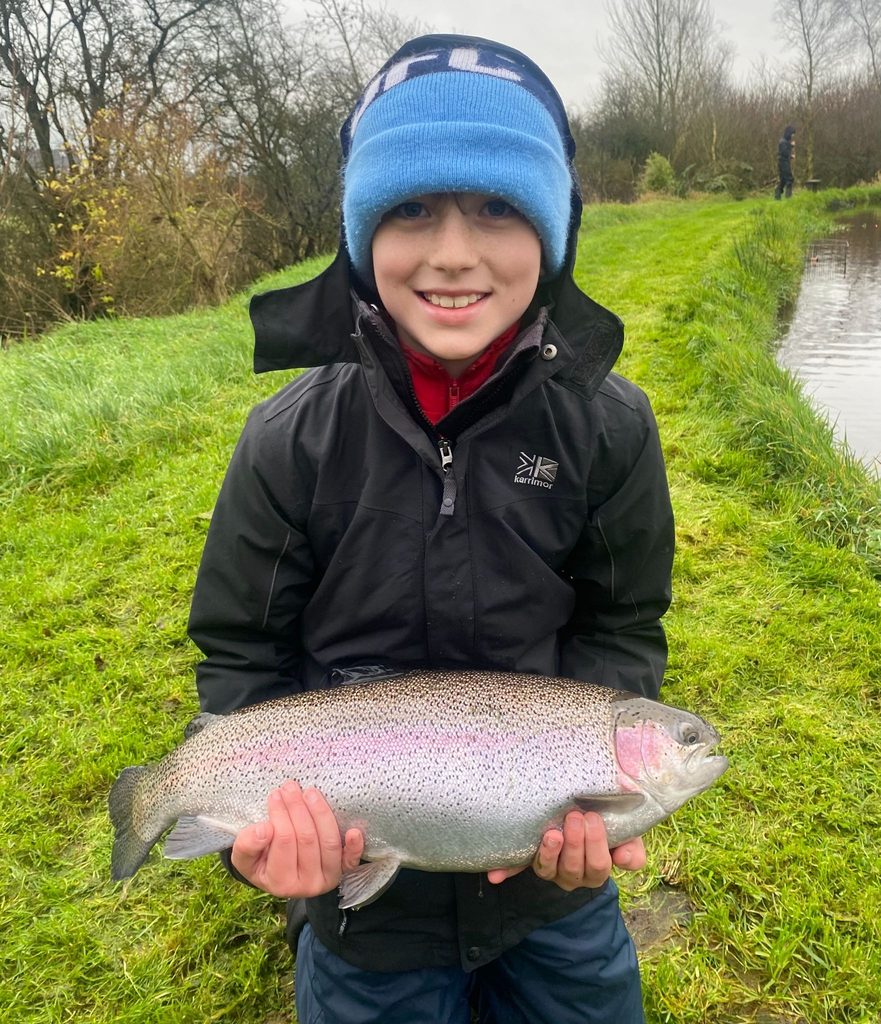
Every cast, movement, shadow, vibration, or disturbance changes the trout’s awareness of its surroundings. Once a fish becomes suspicious, the likelihood of receiving a confident take can decrease significantly. This is why careful approaches and accurate first presentations are so important, especially when targeting larger or pressured trout.
6. Anglers Often Fish The Water They Can See, Not The Water Trout Actually Prefer
Humans naturally focus on obvious areas of water. We look for visible movement, depth, or structure. Trout often hold in places that are less convenient to reach.
Some of the most productive trout areas can include: Tight banks, fast seams, foam lines, pocket water and areas beneath overhanging trees. The best trout swims are not always the ones that look impressive from the bank.
7. Time In The Water Often Matters More Than Constantly Changing Baits
If I know trout are present and conditions suggest they should be feeding, I believe patience is one of the most underrated skills in trout fishing. Many anglers change bait, tactics, and locations repeatedly without giving a presentation enough time to work. Constant movement creates unnecessary disturbance and reduces the opportunity for trout to find and confidently take the bait.
Trout feeding behaviour is based on efficiency. Every feeding decision involves a balance between the potential reward of gaining energy and the risks or effort required to obtain it.
Rather than constantly searching for food, trout position themselves in areas where food naturally comes to them. Their preferred feeding locations are influenced by three key factors: minimising energy expenditure, maximising access to food, and maintaining protection from predators.
Current seams are a perfect example of this strategy. They concentrate drifting food while allowing trout to hold in a lower-energy position and intercept prey as it passes.
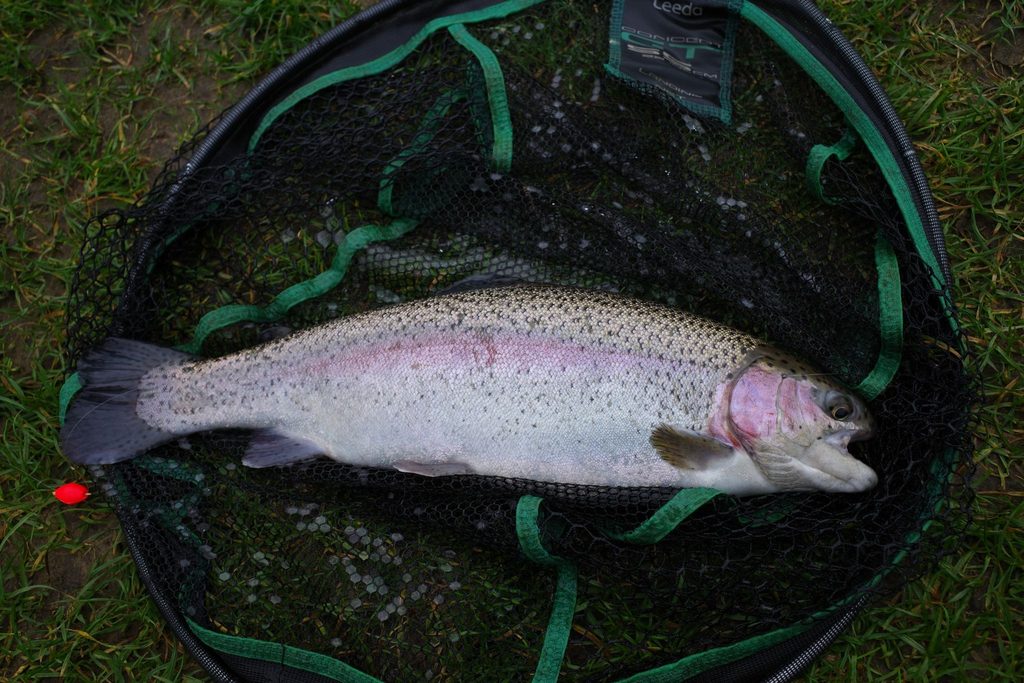
Bubble lines and foam lines act as natural conveyor belts, collecting insects, debris, and other food sources as they move through the water. These areas can create predictable feeding opportunities because trout know food will regularly pass through.
Inside bends often hold trout because slower currents allow food particles, insects, and larvae to accumulate while reducing the energy required to maintain position.
Undercut banks and submerged structure provide trout with security while also creating effective feeding and hunting positions. These areas allow fish to remain protected while still accessing passing food.
The most obvious looking water is not always the most productive trout water. Experienced anglers learn to look beyond appearance and understand why a trout would choose a particular location.
Selecting a trout bait can initially feel overwhelming due to the sheer number of options available. However, successful bait selection is not about finding one “best” bait. It is about understanding why each bait triggers a feeding response, the conditions where it becomes effective, and how presentation influences whether a trout accepts or rejects it.
Worms remain one of the most universal and effective trout baits available. Their success comes from the fact that they represent a natural food source following rainfall, flooding, and ground disturbance. They provide several triggers for trout: strong scent, natural movement, vibration, and a high-calorie meal that requires little effort to consume.
There are several different worm varieties commonly used by trout anglers, each with its own advantages.
Red worms provide a smaller profile and are particularly effective when targeting pressured trout, fishing clearer water, or when smaller trout are the target.
Dendrobaenas are tougher, more active worms that offer excellent versatility. Their durability makes them effective across both rivers and stillwaters.
Lobworms provide a much larger profile and are best suited to coloured water, increased flow after rainfall, and situations where targeting larger trout is the priority.
Worms are often most effective after heavy rainfall when increased water flow and coloured conditions create feeding opportunities. Natural food sources are displaced, visibility decreases, and trout become more willing to investigate larger, scent-based offerings.
There are several ways to present worms effectively:
Hook placement is also important. Threading a worm creates a natural profile but can restrict movement. Nose hooking allows more freedom and movement in the water but exposes more of the hook, which can reduce trout confidence.
The important point is that hook placement changes how the bait behaves. A trout is not only assessing whether something looks edible, but whether it moves naturally.
One important consideration with worm fishing is fish welfare. For anglers practising catch and release, worms can create issues because trout often swallow natural baits deeply before the angler detects the take. Even with a quick strike, there is a higher chance of deep hooking compared with artificial lures or flies. Deep hooking can significantly increase mortality, so anglers should always consider local regulations and whether worm fishing is appropriate for their intended style of fishing.
Eggs are one of the most valuable food sources available to trout during spawning periods. They provide high nutritional value, require little effort to consume, and can become available in enormous quantities.
This links back to an important principle of trout feeding behaviour: trout often respond to abundance. They do not necessarily feed on eggs because they are their favourite food source. They respond because eggs represent a high-energy, easily available feeding opportunity.
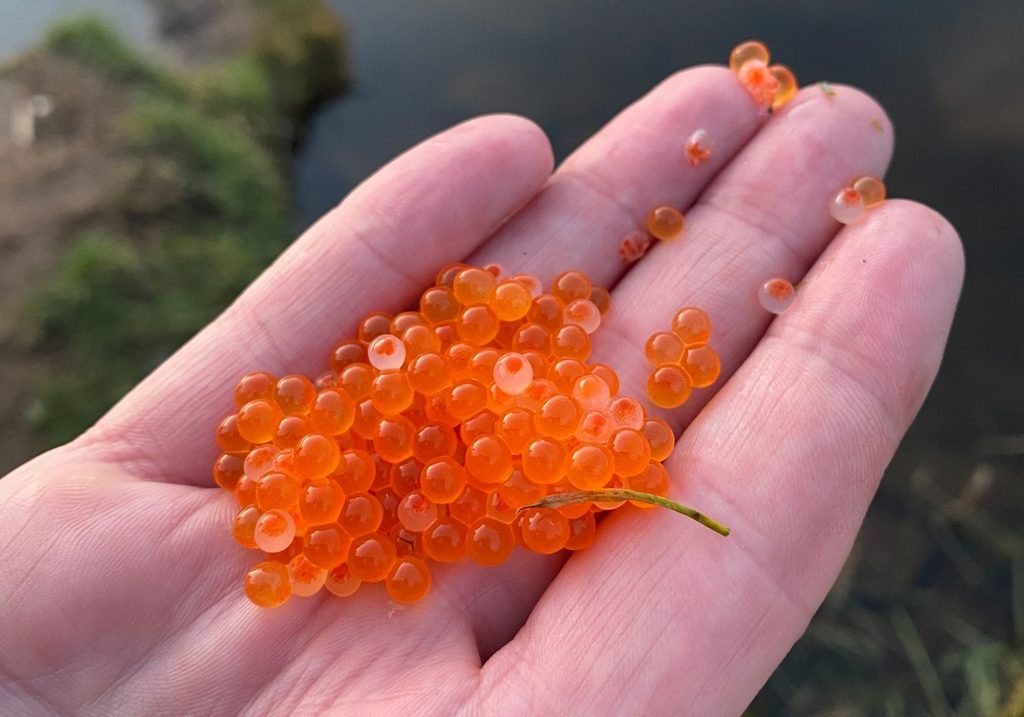
When large numbers of eggs enter the water, trout can quickly change their feeding behaviour. This can create periods of intense feeding activity where fish become highly focused on this single food source.
Natural eggs do not simply fall through the water. They tumble, drift, and move unpredictably with the current. This movement creates a realistic presentation that trout recognise.
Several methods are used to imitate eggs:
Spawn sacs
Soft beads
Hard beads
Matching egg size is important. When trout become focused on one particular egg size, an oversized or unrealistic imitation can appear unnatural. Similar to matching insects during a hatch, the goal is to match the available food source.
Always check local regulations before using eggs or egg imitations. Some fisheries have restrictions regarding natural eggs, bait use, or fishing during spawning periods.
The same principle also applies to fly fishing through egg patterns. Egg flies work because they imitate a high value food source rather than attempting to replicate an insect. They are commonly used in stillwater and river situations, often with specialised fly fishing techniques.
Minnows are primarily used when targeting larger predatory trout. Compared with insects and smaller food sources, baitfish provide a significantly higher energy return, which is why larger trout often become increasingly interested in fish based diets.
Minnow fishing is particularly effective in reservoirs and lakes with established baitfish populations, as well as during colder periods when trout seek energy-rich meals to maintain condition. Presentation is critical.
Lip hooking generally produces the most natural swimming action because the minnow can move freely through the water.
Shoulder hooking provides stronger hook placement but often compromises natural movement.
Tail hooking is useful when attempting to imitate an injured or vulnerable baitfish, creating a different movement profile that can trigger predatory responses.
Where permitted, circle hooks can be a useful option, particularly when using natural bait. Their design encourages the hook to move towards the corner of the mouth rather than being swallowed deeply, which can improve hooking location and increase survival rates when fish are released.
The biggest mistake with minnows is treating them like an artificial lure. Real baitfish do not constantly swim aggressively. Slow movements, pauses, and subtle changes often create a more convincing presentation.
Trout naturally consume a wide range of terrestrial and aquatic insects. Although small, these food sources provide consistent feeding opportunities because they are regularly available in many environments.
Waxworms are particularly effective in colder water conditions. Their higher fat content provides valuable energy when trout metabolism slows, and their small profile makes them suitable for cautious or pressured fish.
Mealworms offer a tougher texture and longer-lasting presentation compared with softer insect baits. They are particularly useful in stillwater situations where durability and subtle movement are important.
Maggots remain a popular trout bait because of their strong scent, availability, and versatility. They can be presented individually or in groups, making them effective when targeting stocked trout and situations where attraction plays an important role.
Dough baits are particularly effective for stocked trout because many hatchery-raised fish are introduced to pellet-based feeds from an early stage of life. Their shape, colour, and scent can closely resemble familiar food sources.
Floating dough baits are especially useful because they allow anglers to position the bait above weed, silt, or bottom debris and keep it within the trout’s feeding zone.
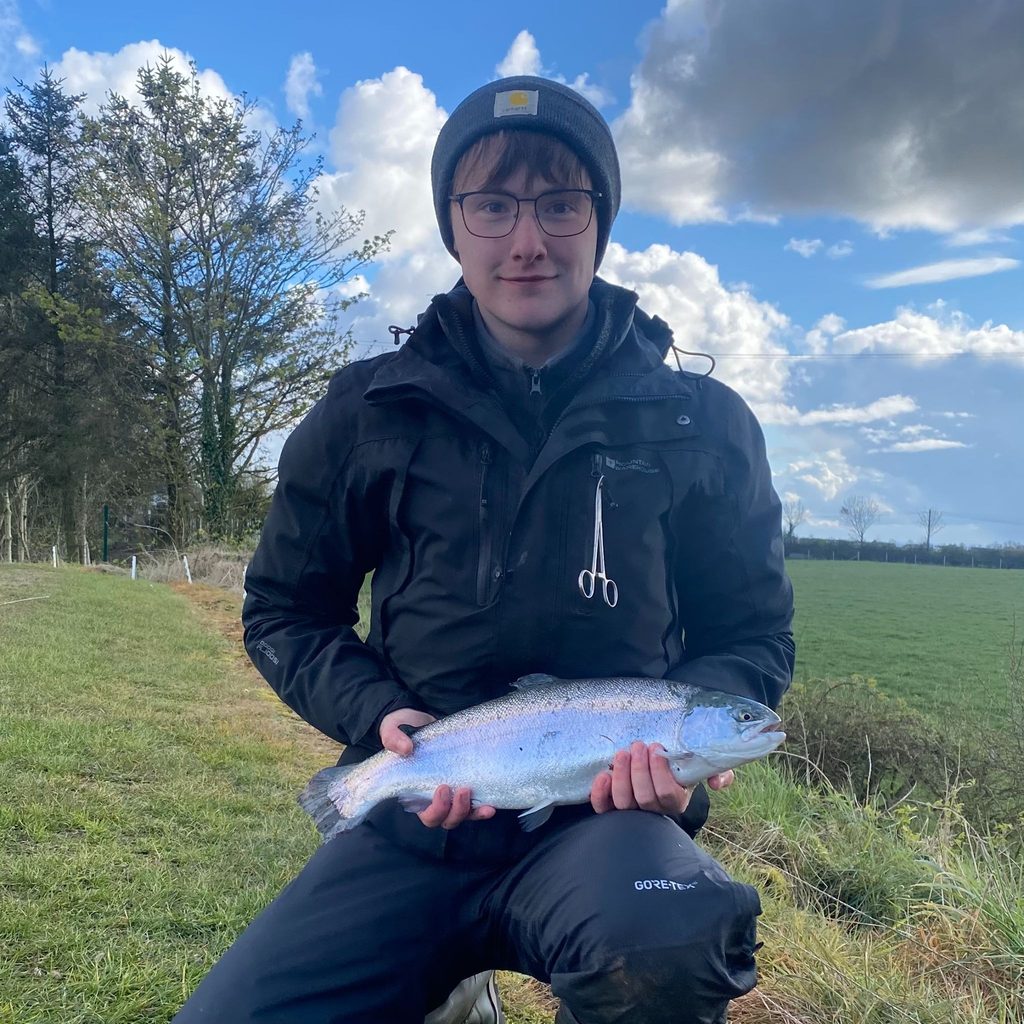
Colour selection can influence effectiveness. Bright colours can create attraction and trigger reaction strikes, particularly in deeper or murky water. However, natural colours such as dark brown can often be highly effective because many commercial trout pellets have similar tones.
Fresh dough baits generally outperform older, hardened baits because they release more scent and maintain a softer texture. Rolling smaller amounts can also create a more natural meal size, whereas oversized bait can appear unnatural and reduce trout confidence.
The most common mistake with dough baits is focusing only on colour while ignoring presentation. Depth, buoyancy, and positioning within the feeding zone often determine success more than the exact shade of bait being used.
In some environments, although less commonly used, trout can also be caught using grasshoppers, crickets, leeches, crawfish, freshwater shrimp, hellgrammites, stonefly nymphs, caddis larvae and even small frogs where local regulations allow.
Trout are increasingly becoming a catch and release focused species. If you plan on releasing your fish, practising good fish care is essential to give the trout the best chance of survival.
This includes using a rubberised net to protect the trout’s slime coating, using barbless hooks where possible for easier unhooking, and choosing methods that reduce deep hooking. For example, many lure and fly anglers can lip hook fish consistently, whereas certain baits such as worms can result in deeper hooking if not used carefully.
Some anglers also carry fish care treatments designed for cleaning small cuts and abrasions, although preventing unnecessary damage in the first place is the most important step.
When handling trout, always wet your hands before touching the fish and minimise the amount of time it spends out of the water, especially when taking photographs. A common mistake is releasing a trout immediately after removing it from the net, only for it to struggle or become unable to recover. Instead, hold the fish in the water until it regains strength and begins to kick away naturally.
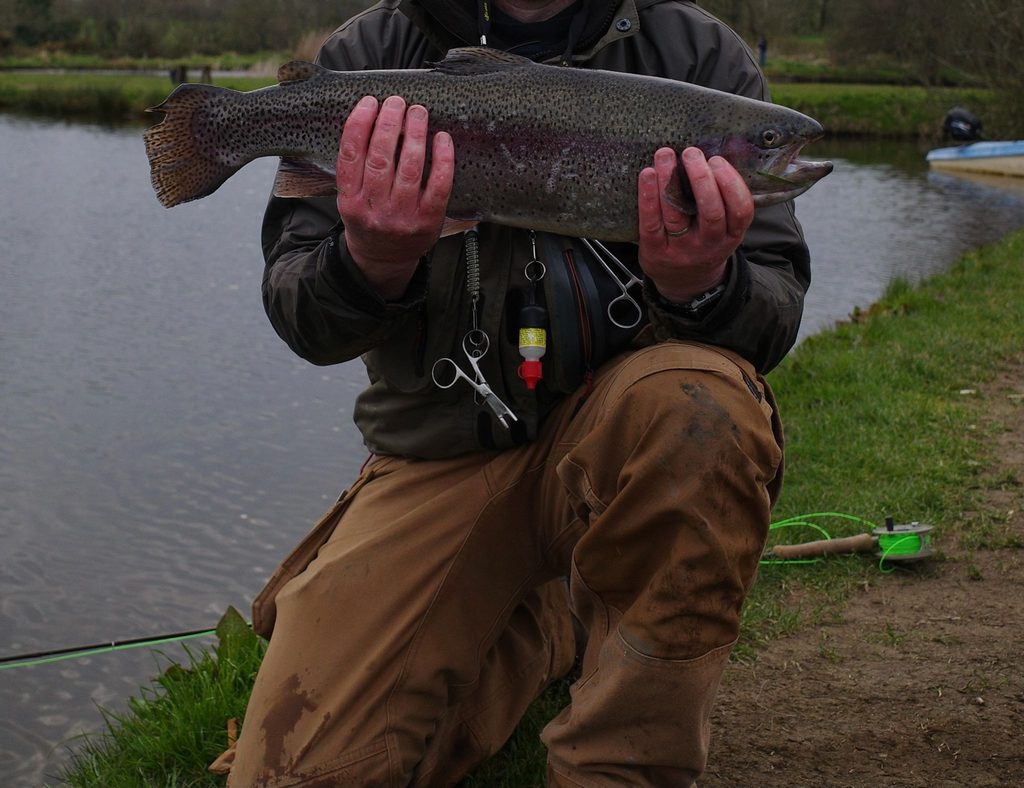
When releasing trout in rivers or streams, position the fish facing upstream so that water can flow through its gills and help it recover. Avoid playing fish for unnecessarily long periods, especially during warmer conditions when trout are already under additional stress.
Water temperature is one of the most important factors to consider. When water temperatures reach around 68°F (20°C) or higher, trout can experience increased stress due to lower oxygen levels. During these conditions, many anglers choose to stop targeting trout altogether to reduce unnecessary mortality.
Below are our best tips and techniques for getting the most benefit out of the baits and lures we’ve covered above:
Just because we often see people fishing with one bait, it doesn’t mean that you can’t mix it up and use multiple bait at the same time. By using a multi-bait rig, you can present more than one option to a fish, and you’ll quickly determine if one bait is performing better than others. An excellent example of this would be combining an earthworm with a few salmon eggs presented on a multi-hook rig. The combination of the visual, scent, and movement will make it hard for cruising trout to resist if they’re in the area.
Artificial lures, jigs, and soft plastics have come a long way in the last decade, and many often come either presented in the packet or have optimal scents available for you to purchase and apply at your own discretion. These lures combine a natural look, feel, scent, and movement to present an irresistible attractant to fish, especially when you match the lure to fish in the local area. In dark or cloudy water, where trout are relying more on their sense of smell, scented lures or soft plastics might be the game-changer you need.
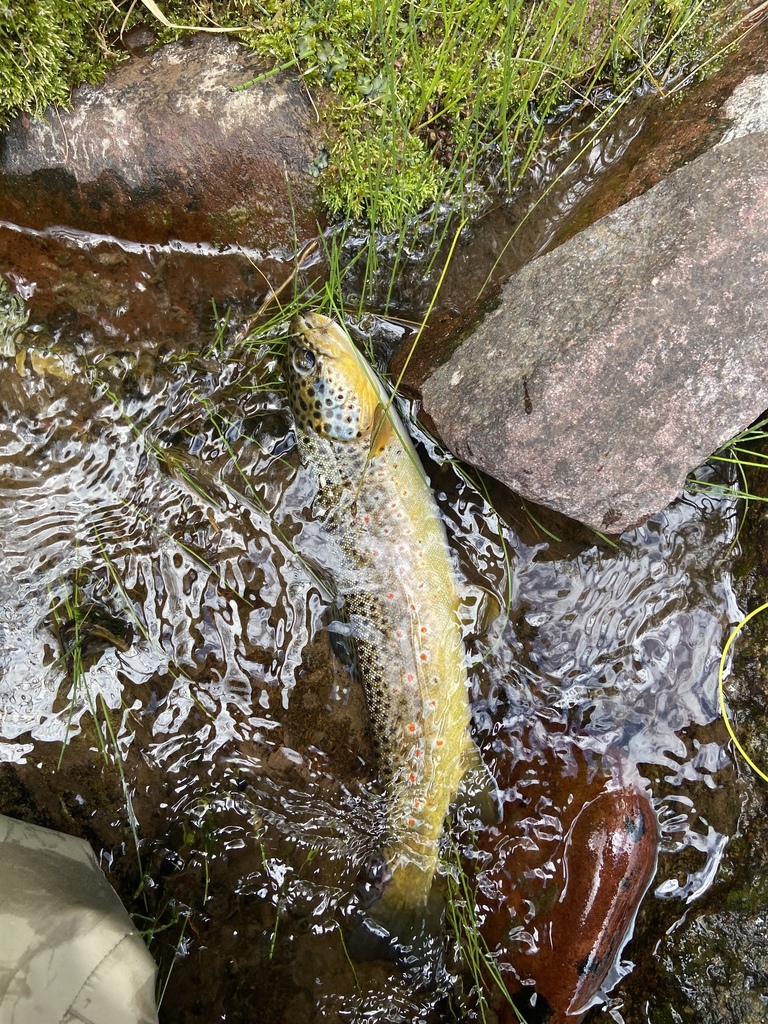
Like almost all fish, trout’s behavior will change depending on the weather, temperature, and season. During the cold winter months, trout are going to be less active, but they venture closer to shore in the shallows, where the water is warmer. During summer, trout are generally more active, but during the hottest part of the day, they’ll seek out deep water where it’s cooler, so catching them in the morning or evening when temperatures aren’t at their hottest will be more effective.
Catch and release-fishing is getting more and more popular, particularly among trout anglers. If you’re planning on catching and releasing your trout, then you want to make it as stress-free as possible on the fish. Consider using circle or barbless hooks which make it less damaging to the fish. While we’re on conservation, consider using locally sourced baits, both live and fresh, to help prevent the spread of disease or the danger of introducing new fish species into the water they’re not always found in.
Read also: Minnesota Fishing Seasons: Your Comprehensive Guide
If you know the best bait to use when you go trout fishing, your chances of catching a big trout or feeding your family are going to be much higher. By learning and understanding trout behavior, the different types of trout bait, the most highly recommended trout baits, and the techniques to use them, you’ll be in a much better position to catch a great fish.
Regardless of where you’re planning on going trout fishing, the premium fish forecasting application Fishbox App will put you in the perfect position to land some excellent fish by analyzing weather and water conditions along with input from local anglers about local hot spots. The Fishbox App utilizes accurate weather, tide, and fishing conditions to predict the best time to get out on the water to catch your target species.