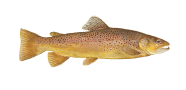
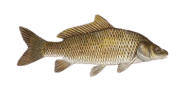
New South Wales holds more mapped water than any other Australian state, and its defining feature is the coastal lagoon. These shallow bodies sit behind sand bars that open and close with rainfall and swell, so a single water can shift between estuarine and near-freshwater across a season, and the fishing changes with it. Inland the country climbs to 2,048 metres in the Snowy Mountains, where alpine lakes run a genuinely cold season unlike anywhere else on the mainland. Most of the state sits in the warm-temperate band with a subtropical fringe north, so nothing freezes at lower elevations and the year runs on heat. Seasons are inverted: summer is December to February, and spring and autumn fish strongest. Our listings for New South Wales run to 396 waters in 70 counties. Natural lakes dominate the list, followed by lagoons. Lake George leads on size, near 127 sq km. Climate averages across these waters run 11°C in the cold month and 25°C in the warm one. The most frequently logged fish are common carp, goldfish, golden perch and Murray cod....
Yes. NSW requires a recreational fishing fee for both fresh and salt water, payable by period, with exemptions for certain groups. The receipt must be carried while fishing. Some inland waters and trout streams carry additional closed seasons and gear restrictions on top of the general rules.
A shallow body of water separated from the sea by a sand bar that opens and closes with rainfall and swell. When open it exchanges with the ocean and holds estuarine species; when closed, salinity shifts and conditions change. New South Wales has more of them than any other state.
Seasons are inverted from the northern hemisphere, with summer running December to February. Spring from September to November and autumn from March to May fish strongest, while summer heat narrows the day to dawn and dusk. Trout waters run defined closed seasons in the colder months.
It creates the state's cold-water fishery. Mapped waters reach 2,048 metres in the Snowy Mountains, high enough for a genuinely cold season with trout. Coastal and inland lowland water sits near sea level and never approaches those conditions. The two are a few hours apart by road.
Extensively, along the whole coast and through the lagoons and estuaries. The recreational fishing fee covers both fresh and salt water. No separate licence is needed, but size and bag limits differ by species and there are protected areas where fishing is restricted or closed.
The coastal strip north and south of the city holds a run of lagoons, lakes and estuaries within an easy drive. They carry heavy weekend pressure through the warm months. Inland, the waters west of the Blue Mountains offer quieter fishing on a different pattern.