

Yellowstone Cutthroat Trout
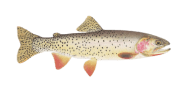
The Yellowstone cutthroat trout is a subspecies of cutthroat trout native to the Yellowstone region in the United States. It inhabits freshwater lakes and rivers, particularly in Wyoming and Montana. Recognizable by the red slash marks under its jaw, it’s a key species for the local ecosystem. Anglers prize this trout for its willingness to bite and its significant contribution to the area's fishing heritage.
 Length~15 (max 51)
 Weight~1 (max 2)
 WaterFresh
- Other names-
- Length~15 (max 51)
- Weight~1 (max 2)
- WaterFresh
Popular lures for Yellowstone Cutthroat Trout

Regulation for Yellowstone Cutthroat Trout
Living Conditions
🐟 Habitat preferences
- Yellowstone cutthroat trout thrive in cold, clear, and well-oxygenated waters
- They are commonly found in mountain streams, rivers, and high-altitude lakes
- This trout prefers areas with gravelly bottoms for spawning, often near undercut banks or deep pools
- Their diet mainly consists of aquatic insects, small fish, and crustaceans
♻️ Life cycle and mating behavior
- Spawning occurs in the spring, with trout moving to shallow, gravelly stream beds
- During spawning, males develop more vivid coloration, particularly around their gill plates
- Post-spawning, they return to deeper waters where they focus on feeding and growth
- Juveniles stay in sheltered areas until they mature, avoiding larger predators