

Summer Flounder
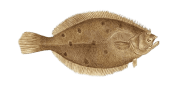
The summer flounder, Paralichthys dentatus, is a flatfish native to the western Atlantic Ocean. Known for its ability to change color to blend with its surroundings, this species is a popular target for both commercial and recreational fishing. It typically inhabits sandy or muddy bottoms, where it lies in wait to ambush prey such as small fish and crustaceans. The summer flounder is also recognized for its migration from offshore waters to coastal areas during different seasons.
 Length~32 (max 100)
 Weight~1 (max 1)
 WaterSalt
 Water Temp13-22° F
 Depth36-182 ft
- Other namesFluke
- Length~32 (max 100)
- Weight~1 (max 1)
- WaterSalt
- Water Temp13-22° F
- Depth36-182 ft
Popular lures for Summer Flounder

Regulation for Summer Flounder
Living Conditions
🐟 Habitat preferences
- Inhabits sandy or muddy bottoms, often found in estuaries, bays, and coastal waters
- Prefers shallow, nearshore environments in the summer and moves to deeper offshore waters in the winter
- Feeds primarily on small fish and crustaceans, ambushing them by blending into the substrate
- Commonly found near the seafloor, where it uses its flattened body to remain inconspicuous
♻️ Life cycle and mating behavior
- Spawning occurs in offshore waters during the colder months, with eggs drifting in the water column
- Larvae are carried by currents to coastal nursery areas, where they settle and grow
- Juveniles inhabit shallow, protected waters before moving to deeper areas as they mature
- Seasonal migrations are observed, with adults moving to shallow coastal areas in the warmer months and returning offshore as temperatures drop