

Spotted Tilapia
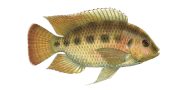
The spotted tilapia, Pelmatolapia mariae, is a freshwater fish known for its dark coloration and the distinctive black marking on its chin. Native to West Africa, this species has also established populations in other parts of the world. It is a resilient and adaptable fish, often found in various freshwater environments, making it a common target for anglers in regions where it has been introduced.
 Length~15 (max 32)
 Weight~1 (max 1)
 WaterFresh
 Water Temp24-28° F
- Other namesSpotted mangrove cichlid, Black mangrove cichlid, Blackchin tilapia
- Length~15 (max 32)
- Weight~1 (max 1)
- WaterFresh
- Water Temp24-28° F
Popular lures for Spotted Tilapia

Regulation for Spotted Tilapia
Living Conditions
🐟 Habitat preferences
- Spotted tilapia are highly adaptable and can thrive in a wide range of freshwater habitats, including rivers, lakes, and even brackish waters
- They prefer areas with plenty of vegetation or submerged structures, where they can find both shelter and food
- This species primarily feeds on algae, plant matter, and small invertebrates, showing a broad and opportunistic diet
- Anglers often locate them in shallow waters with dense vegetation, where they are most active during the warmer parts of the day
♻️ Life cycle and mating behavior
- Spotted tilapia exhibit parental care, with both males and females involved in guarding their eggs and fry
- During the breeding season, which occurs in warmer temperatures, the fish become more territorial, with males often digging nests in sandy or muddy bottoms
- The species is known for its mouthbrooding behavior, where one of the parents, typically the female, carries the eggs in their mouth until they hatch
- This protective behavior can make them more challenging to catch during the breeding season, as they are less focused on feeding and more on guarding their young