

Spotted Bonytongue
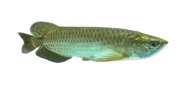
The southern saratoga, or Scleropages leichardti, is a freshwater fish known for its elongated body, distinct silver scales, and powerful jumps when hooked. Native to Australia, it is often sought after by anglers for its challenging catch and impressive fight. This species is a favorite in recreational fishing due to its aggressive nature and striking appearance.
 Length~49 (max 90)
 Weight~2 (max 4)
 WaterFresh
 Water Temp22-29° F
 Depth10 ft
- Other namesSouthern saratoga, Spotted saratoga, Australian arowana, Barramundi
- Length~49 (max 90)
- Weight~2 (max 4)
- WaterFresh
- Water Temp22-29° F
- Depth10 ft
Popular lures for Spotted Bonytongue

Regulation for Spotted Bonytongue
Living Conditions
🐟 Habitat preferences
- The southern saratoga favors still or slow-moving freshwater habitats, such as billabongs, rivers, and reservoirs, where the water is warm and clear
- It often lurks near submerged logs, vegetation, or overhanging branches, using these areas as cover to ambush prey
- This species is an opportunistic feeder, preying on insects, small fish, and crustaceans, often feeding at the water’s surface
- Anglers typically find them most active during early morning and late afternoon, particularly around dawn and dusk
♻️ Life cycle and mating behavior
- The southern saratoga breeds during the warmer months, with males constructing nests in shallow waters to attract females
- After spawning, the male takes on the role of protector, guarding the eggs and young fish until they are able to fend for themselves
- Juveniles tend to stay close to the nesting site, while adults roam wider areas, particularly during feeding times
- Their mating season behavior often makes them more aggressive, offering a thrilling challenge for anglers during this period