

Speckled Peacock Bass
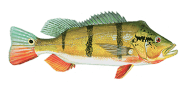
The speckled peacock bass, Cichla temensis, is a large freshwater fish native to the Amazon and Orinoco River basins. Known for its striking coloration, it features a series of dark vertical bars and spots along its body. This predatory fish is a popular gamefish due to its size and strength. It inhabits deeper waters in rivers and lagoons, preying mainly on smaller fish. The species is also noted for its importance in local fisheries and aquaculture.
 Length~50 (max 100)
 Weight~3 (max 12)
 WaterFresh
 Water Temp22-30° F
- Other namesSpeckled pavon, Painted pavon, Royal pavon, Three-barred peacock bass, Striped tucunare
- Length~50 (max 100)
- Weight~3 (max 12)
- WaterFresh
- Water Temp22-30° F
Popular lures for Speckled Peacock Bass

Regulation for Speckled Peacock Bass
Living Conditions
🐟 Habitat preferences
- Speckled peacock bass prefers deep, still waters such as lagoons, as well as sandy and rocky riverbanks
- It is typically found in tropical freshwater environments, favoring areas with clear, warm water
- The species is carnivorous, feeding primarily on small fish, especially characids, which it hunts in the midwater
- These fish are often solitary or found in small groups, particularly around submerged structures that provide cover
♻️ Life cycle and mating behavior
- This species is oviparous, with females laying eggs on submerged surfaces, such as rocks or logs
- Spawning occurs during the rainy season when water levels rise, providing optimal conditions for egg development
- The parents guard the eggs and newly hatched fry, offering protection from predators until the young are strong enough to fend for themselves
- Seasonal changes in water levels heavily influence their reproductive cycles and movement patterns within river systems