

Rio Grande Cichlid
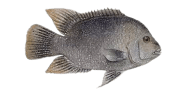
The Rio Grande cichlid, Herichthys cyanoguttatus, is a distinctive freshwater fish known for its bright blue spots and aggressive temperament. Native to the Rio Grande River Basin, it thrives in warm, slow-moving waters. The species has also been introduced to other areas, where it has established stable populations. Anglers appreciate the Rio Grande cichlid for its robust fight and striking appearance, making it a prized catch in its native and introduced ranges.
 Length~15 (max 33)
 WaterFresh
 Water Temp20-28° F
 Depth5 ft
- Other namesTexas cichlid
- Length~15 (max 33)
- WaterFresh
- Water Temp20-28° F
- Depth5 ft
Popular lures for Rio Grande Cichlid

Regulation for Rio Grande Cichlid
Living Conditions
🐟 Habitat preferences
- Rio Grande cichlids prefer warm, slow-moving waters such as rivers, creeks, and canals with abundant vegetation
- They are often found in shallow areas with muddy or sandy bottoms, where they can find food and create nests
- Their diet includes a variety of invertebrates, small fish, and plant matter, making them opportunistic feeders in their environment
- These cichlids are frequently seen near submerged rocks, logs, or aquatic plants, which offer both cover and feeding opportunities
♻️ Life cycle and mating behavior
- Rio Grande cichlids typically spawn in the spring and summer when water temperatures are warmer, with pairs forming territories in shallow waters
- The species is known for its strong parental care, with both males and females guarding the eggs and fry after spawning
- Nests are often built on flat surfaces or within shallow depressions in the substrate, where the eggs are laid and fertilized
- Juveniles remain under the protection of their parents for several weeks, gradually venturing into deeper waters as they grow and become more independent