

Redbreast Tilapia
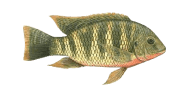
The redbreast tilapia, Coptodon rendalli, is a hardy freshwater fish recognized for its adaptability and reddish coloration on its chest and fins. Native to African rivers and lakes, it has also been introduced to other regions for aquaculture. This species is favored for its resilience in various environments, including waters with fluctuating temperatures and low oxygen levels. The redbreast tilapia is a common target in subsistence and small-scale fisheries due to its reliable presence and ease of catch.
 Length~20 (max 45)
 Weight~1 (max 2)
 WaterFresh
 Water Temp8-41° F
 Depth3 ft
- Other namesRedbreast kurper
- Length~20 (max 45)
- Weight~1 (max 2)
- WaterFresh
- Water Temp8-41° F
- Depth3 ft
Popular lures for Redbreast Tilapia

Regulation for Redbreast Tilapia
Living Conditions
🐟 Habitat preferences
- Redbreast tilapia thrive in diverse freshwater habitats, including rivers, lakes, and ponds with varying levels of vegetation
- They are often found in shallow waters with plenty of aquatic plants, which provide both food and shelter
- Their diet mainly consists of aquatic vegetation, algae, and detritus, though they also consume small invertebrates when available
- These fish are adaptable to a wide range of water conditions, including areas with low oxygen levels and moderate salinity
♻️ Life cycle and mating behavior
- Redbreast tilapia typically spawn in shallow, vegetated areas, where males prepare and defend nests on the substrate
- The species is known for its mouthbrooding behavior, with females carrying fertilized eggs and young fry in their mouths until they are ready to fend for themselves
- Spawning can occur throughout the year in tropical climates, particularly when water temperatures are warm
- Juveniles remain in the protective cover of vegetation near the spawning site, feeding on small particles and gradually moving into open waters as they grow