

Quillback Rockfish
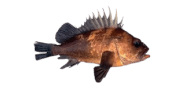
The Quillback Rockfish (Sebastes maliger) is a bottom-dwelling species found along the Pacific coast of North America, from Alaska to California. It is easily recognized by its distinctive, long dorsal spines and mottled brown to orange coloration. This species prefers rocky reefs and kelp forests, where it feeds on small fish, crustaceans, and invertebrates. Quillback Rockfish are long-lived and grow slowly, making them particularly vulnerable to overfishing.
 Length~50 (max 100)
 Weight~1 (max 3)
 WaterSalt
 Depth41-60 ft
- Other namesQuillback seaperch
- Length~50 (max 100)
- Weight~1 (max 3)
- WaterSalt
- Depth41-60 ft
Popular lures for Quillback Rockfish

Regulation for Quillback Rockfish
Living Conditions
🐟 Habitat preferences
- Quillback Rockfish thrive in rocky reefs, kelp forests, and areas with complex underwater structures
- They are typically found at depths ranging from shallow waters to moderately deep zones, often close to the seabed
- Their diet includes small fish, crustaceans, and various invertebrates, which they ambush using their excellent camouflage
- These fish are generally solitary and territorial, often residing in the same area for extended periods
♻️ Life cycle and mating behavior
- Quillback Rockfish are livebearers, with females giving birth to well-developed larvae in the spring
- They have a long reproductive lifespan but a slow growth rate, taking several years to reach maturity
- Juveniles initially inhabit shallower waters with ample cover before moving to deeper habitats as they grow
- Due to their slow growth and late maturity, populations can be significantly impacted by overfishing, requiring careful management