

Queensland School Mackerel
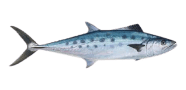
The Queensland School Mackerel (Scomberomorus queenslandicus) is a fast-swimming, predatory fish native to the coastal waters of northern Australia. It is highly sought after by both commercial and recreational fishermen for its speed and fighting ability. This species is commonly found inshore, near reefs and sandy bottoms, where it feeds on small fish and crustaceans. Its streamlined body and sharp teeth make it an efficient hunter, often caught using trolling methods.
 Length~50 (max 100)
 Weight~3 (max 12)
 WaterSalt
 Depth1-100 ft
- Other names-
- Length~50 (max 100)
- Weight~3 (max 12)
- WaterSalt
- Depth1-100 ft
Popular lures for Queensland School Mackerel

Regulation for Queensland School Mackerel
Living Conditions
🐟 Habitat preferences
- Queensland School Mackerel inhabit warm, coastal waters, frequently found near reefs and sandy areas
- They are typically inshore fish but can venture into slightly deeper waters, especially near continental shelves
- Their diet mainly consists of small fish, squid, and crustaceans, which they hunt in schools
- These mackerel are often seen near the surface, especially when feeding, making them a popular target for surface trolling
♻️ Life cycle and mating behavior
- Spawning occurs in warmer months, with eggs and larvae developing in open waters
- Juveniles grow quickly and often remain inshore, taking advantage of the abundant food and shelter
- As they mature, these mackerel migrate to different areas depending on the season, following their prey
- Queensland School Mackerel are known for their rapid growth and early maturity, contributing to their resilience against fishing pressures