

Oyster Toadfish
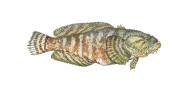
The Oyster Toadfish (Opsanus tau) is a marine species found along the Atlantic coast of the United States. Known for its unique appearance and gruff vocalizations, this bottom-dwelling fish inhabits rocky areas, reefs, and jetties. Its adaptability to polluted waters and resilience make it a common catch for anglers and a subject of interest in public aquariums. Despite its somewhat unattractive appearance, the Oyster Toadfish is valued for its hardiness and ability to thrive in various environments.
 Length~30 (max 48)
 Weight~0.5 (max 1)
 WaterSalt
 Water Temp10-26° F
 Depth5 ft
- Other namesUgly toad, Oyster cracker, Oyster catcher, Bar dog
- Length~30 (max 48)
- Weight~0.5 (max 1)
- WaterSalt
- Water Temp10-26° F
- Depth5 ft
Popular lures for Oyster Toadfish

Regulation for Oyster Toadfish
Living Conditions
🐟 Habitat preferences
- Oyster Toadfish prefer shallow, inshore waters, often found around rocky substrates and reefs
- They are also common around man-made structures like jetties and shipwrecks, where they can hide among debris
- This species tolerates polluted waters, making it adaptable to urban coastal areas
- Its diet consists of small fish, crustaceans, and other benthic organisms, capturing prey with an ambush strategy
♻️ Life cycle and mating behavior
- Oyster Toadfish are known for their distinctive vocalizations during the mating season, attracting mates through their "boatwhistle" calls
- They spawn in secluded areas, such as under rocks or in crevices, where the male guards the eggs
- The male continues to protect the young until they are capable of independent survival
- These fish mature slowly, contributing to their low population growth rate but enabling them to reach substantial sizes