

Murray Cod
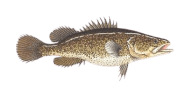
The Murray cod (Maccullochella peelii) is one of the largest freshwater fish in the world, native to Australia's Murray-Darling River system. It is a highly prized species in recreational fishing, known for its impressive size and strength. This fish inhabits a range of environments, from clear streams to turbid rivers, and is typically found in waters with ample cover such as rocks or submerged timber. The Murray cod is a carnivorous species, feeding on a variety of prey including fish, invertebrates, and occasionally small animals.
 Length~80 (max 180)
 Weight~15 (max 113)
 WaterFresh
 Water Temp8-24° F
 Depth2-5 ft
- Other namesGreenfish, Goodoo, Mary River cod, Pondi , Queensland freshwater cod
- Length~80 (max 180)
- Weight~15 (max 113)
- WaterFresh
- Water Temp8-24° F
- Depth2-5 ft
Popular lures for Murray Cod

Regulation for Murray Cod
Living Conditions
🐟 Habitat preferences
- Murray cod thrive in diverse freshwater habitats, including clear, rocky streams and slow-moving rivers
- They prefer areas with plenty of cover, such as submerged logs, rocks, and overhanging banks
- These fish are carnivorous, with a diet that includes other fish, invertebrates, and even small mammals and birds
- Murray cod are typically found in deeper waters, especially during daylight, seeking shelter among snags and other structures
♻️ Life cycle and mating behavior
- Spawning occurs in spring to early summer when water temperatures rise
- Murray cod are territorial during the breeding season, with males guarding nests located in sheltered, shallow areas
- Eggs are laid on the bottom and adhere to the substrate, with males protecting them until they hatch
- Juveniles initially remain in shallow waters, gradually moving to deeper areas as they grow, and are known to undertake migrations within their freshwater habitats