

Mangrove Snapper
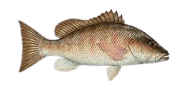
The Mangrove snapper, is a common coastal fish found in the western Atlantic and Caribbean regions. Known for its adaptability, this species inhabits a variety of environments, including mangroves, seagrass beds, and coral reefs. It has a sleek, silvery-gray body, often with a darker stripe running from its snout to its dorsal fin. The Gray Snapper is a popular target for anglers due to its tasty flesh and challenging fight, making it a valued species both commercially and recreationally.
 Length~40 (max 89)
 Weight~2 (max 20)
 WaterSalt
 Water Temp13-16° F
 Depth5-180 ft
- Other namesGray snapper
- Length~40 (max 89)
- Weight~2 (max 20)
- WaterSalt
- Water Temp13-16° F
- Depth5-180 ft
Popular lures for Mangrove Snapper

Regulation for Mangrove Snapper
Living Conditions
🐟 Habitat preferences
- Mangrove snapper thrives in diverse habitats, from mangroves and seagrass beds to coral reefs and rocky shores
- It prefers shallow waters but can also be found in deeper offshore areas, especially around structures like shipwrecks and reefs
- This species is highly adaptable, using both natural and artificial shelters for cover and ambush hunting
- Its diet consists of small fish, crustaceans, and cephalopods, making it an opportunistic feeder
♻️ Life cycle and mating behavior
- Mangrove snapper matures early, with spawning occurring mainly during warmer months
- Spawning typically happens offshore, with eggs and larvae carried by currents back to coastal nurseries
- Juveniles settle in sheltered areas such as mangroves and estuaries, where they find protection and food
- As they grow, they gradually move to deeper waters, maintaining strong site fidelity, often returning to the same spawning grounds annually