

Longnose Gar
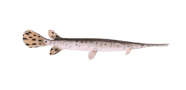
The Longnose Gar, Lepisosteus osseus, is a freshwater fish native to North and Central America. Known for its elongated snout and sharp teeth, this species thrives in slow-moving rivers, lakes, and backwaters. It is a voracious predator, feeding primarily on fish and crustaceans. The Longnose Gar is a popular game fish, particularly in the southern United States, and can also be found in public aquariums due to its distinctive appearance.
 Length~91 (max 180)
 Weight~9 (max 25)
 WaterFresh, brackish
 Water Temp15-20° F
- Other namesLongnose garpike , Billy gar
- Length~91 (max 180)
- Weight~9 (max 25)
- WaterFresh, brackish
- Water Temp15-20° F
Popular lures for Longnose Gar

Regulation for Longnose Gar
Living Conditions
🐟 Habitat preferences
- Longnose Gar inhabit slow-moving rivers, lakes, and backwaters, often near aquatic vegetation
- They prefer environments with clear, calm water and are frequently found in sluggish pools or oxbows
- This species can also tolerate brackish water but generally stays in freshwater habitats
- Their diet mainly consists of fish and crustaceans, making them effective ambush predators
♻️ Life cycle and mating behavior
- Spawning occurs in late spring, with adults migrating to shallow, vegetated areas of rivers or lakes
- Females lay adhesive eggs on submerged vegetation or debris, which hatch into larvae that remain near the bottom
- Juveniles stay in shallow, protected areas until they are large enough to fend for themselves
- Adult gar typically return to deeper waters post-spawning, where they continue their predatory habits