

Largescale Sucker
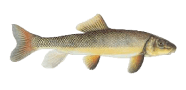
The largescale sucker is a freshwater fish found in North America, particularly in the rivers and lakes of the Pacific Northwest. It is recognized by its large, thick lips and streamlined body, adapted for bottom feeding. Largescale suckers prefer habitats with slow-moving waters and are often seen in groups. While not typically sought after for sport fishing, they play an important role in their ecosystem as both prey and a consumer of various aquatic invertebrates and algae.
 Length~10 (max 61)
 Weight~2 (max 3)
 WaterFresh
 Water Temp24-32° F
- Other names-
- Length~10 (max 61)
- Weight~2 (max 3)
- WaterFresh
- Water Temp24-32° F
Popular lures for Largescale Sucker

Regulation for Largescale Sucker
Living Conditions
🐟 Habitat preferences
- Largescale suckers inhabit slow-moving rivers and lakes, particularly those with sandy or muddy bottoms
- They are bottom-dwellers, feeding primarily on algae, small invertebrates, and detritus found on the substrate
- These fish are most commonly found in deeper pools or runs within larger rivers, where the water flow is slower
- They are often preyed upon by larger fish, birds, and mammals, which influences their preference for sheltered, deeper waters
♻️ Life cycle and mating behavior
- Largescale suckers spawn in the spring when water temperatures rise, typically migrating to shallow areas with gravelly bottoms
- The male establishes a territory and prepares a site for spawning, where the female then deposits her eggs
- After spawning, there is no parental care, and the eggs are left to develop on their own
- Juvenile suckers remain in shallow, protected areas until they are large enough to join adult populations in deeper waters