

Lake Char
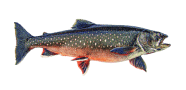
The Salvelinus umbla, commonly known as the European lake char or Alpine char, is a cold-water fish native to deep, alpine lakes in Europe. This species is part of the char family, closely related to trout and salmon. Known for its adaptability to varying temperatures and environments, the European lake char is a prized species for anglers due to its elusive nature and the challenge it presents when fishing in deep, clear waters.
 Length~30 (max 60)
 Weight~1 (max 3)
 WaterFresh
 Depth30-120 ft
- Other namesEuropean lake char, Alpine char
- Length~30 (max 60)
- Weight~1 (max 3)
- WaterFresh
- Depth30-120 ft
Popular lures for Lake Char

Regulation for Lake Char
Living Conditions
🐟 Habitat preferences
- The European lake char thrives in the cold, oxygen-rich waters of deep alpine lakes
- They prefer rocky or gravelly lake bottoms, often inhabiting depths where sunlight penetration is minimal
- Their diet primarily consists of small fish, insects, and crustaceans, reflecting their opportunistic feeding behavio
- During warmer seasons, they are often found in deeper, cooler waters, only moving to shallower regions when temperatures drop
♻️ Life cycle and mating behavior
- Spawning typically occurs in late autumn when water temperatures are at their lowest
- Males prepare spawning sites on rocky substrates, where females lay their eggs
- Post-spawning, the fish retreat to deeper waters, with juveniles remaining in shallower zones until they mature
- Throughout their life, European lake char demonstrate seasonal movements, generally staying in deeper waters during summer and ascending closer to the surface in colder months