

Coastal Cutthroat Trout
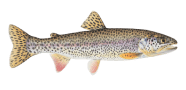
The coastal cutthroat trout, also called sea-run cutthroat, is a trout subspecies found along the Pacific coast of North America. They are known for their variable lifestyle, ranging from strictly freshwater to semi-anadromous forms that migrate between the ocean and rivers. Coastal cutthroat trout are popular among anglers due to their aggressive feeding habits and varied habitat preferences.
 Length~38 (max 70)
 Weight~2 (max 7)
 WaterFresh, brackish, salt
 Water Temp6-12° F
 Depth4 ft
- Other namesSea-run cutthroat trout, Blue-back trout , Harvest trout
- Length~38 (max 70)
- Weight~2 (max 7)
- WaterFresh, brackish, salt
- Water Temp6-12° F
- Depth4 ft
Popular lures for Coastal Cutthroat Trout

Regulation for Coastal Cutthroat Trout
Living Conditions
🐟 Habitat preferences
- Prefer shallow, clear, well-oxygenated streams and rivers with gravel bottoms for spawning
- Found in estuaries and nearshore marine environments, where they feed before returning to freshwater
- Inhabit lakes and ponds, especially those with abundant vegetation and cool temperatures
- Feed on small fish, insects, and crustaceans, making them versatile predators in their habitats
♻️ Life cycle and mating behavior
- Spawning typically occurs in the winter to early spring, with peak activity in late winter
- After hatching, fry emerge and stay in freshwater for several years before some migrate to the sea
- Semi-anadromous forms return to freshwater to spawn after spending time feeding in estuaries or nearshore areas
- Display distinct migratory behaviors based on environmental conditions, with some populations remaining entirely in freshwater