
Any question about the article?
Please use your work e-mail, so we can connect with you
Jack Nicklaus was once quoted as saying, “There are always new places to go fishing. For any fisherman, there’s always a new place, always a new horizon.” There is no limit to the places to explore, no matter how experienced the angler. What makes fishing much more enjoyable is being well-prepared for the fishing excursion, whether it’s for a half-day or multi-day trip. Creating a fishing checklist alleviates the stress of the trip and enables a pure fishing experience.
The benefits of using a checklist for fishing help offset the stress of packing. It helps to strategize as to what you’ll need for a given location – the checklist can change based on the area (river, stream, lake, ocean). Appropriate gear is a must and is driven by the destination: will this be a rod-and-reel situation? Dry fly fishing? Fish species? Knowing the destination helps avoid forgetting the fishing gear that is best suited for the destination. Keep in mind that conditions, time of day, and location affect different fish species differently. Safety is also a consideration; you’ll want to ensure that you have a first aid kit, flashlight, and extra batteries packed for those unanticipated conditions. Having what you’ll need at hand will allow for a better fishing experience all around.
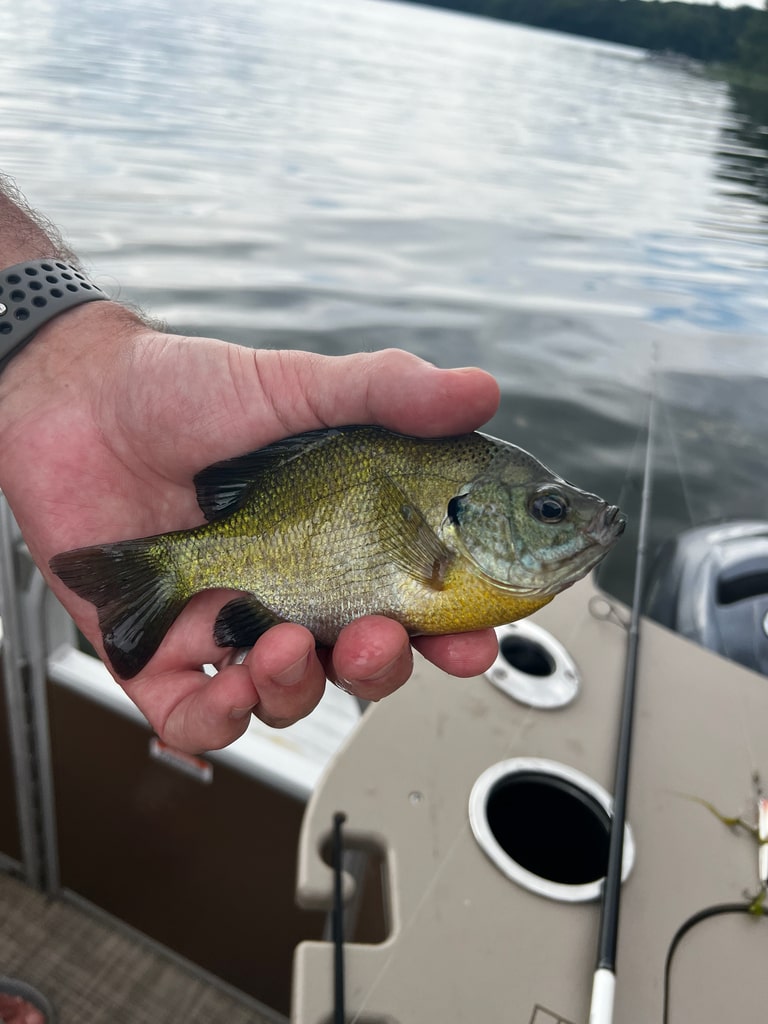
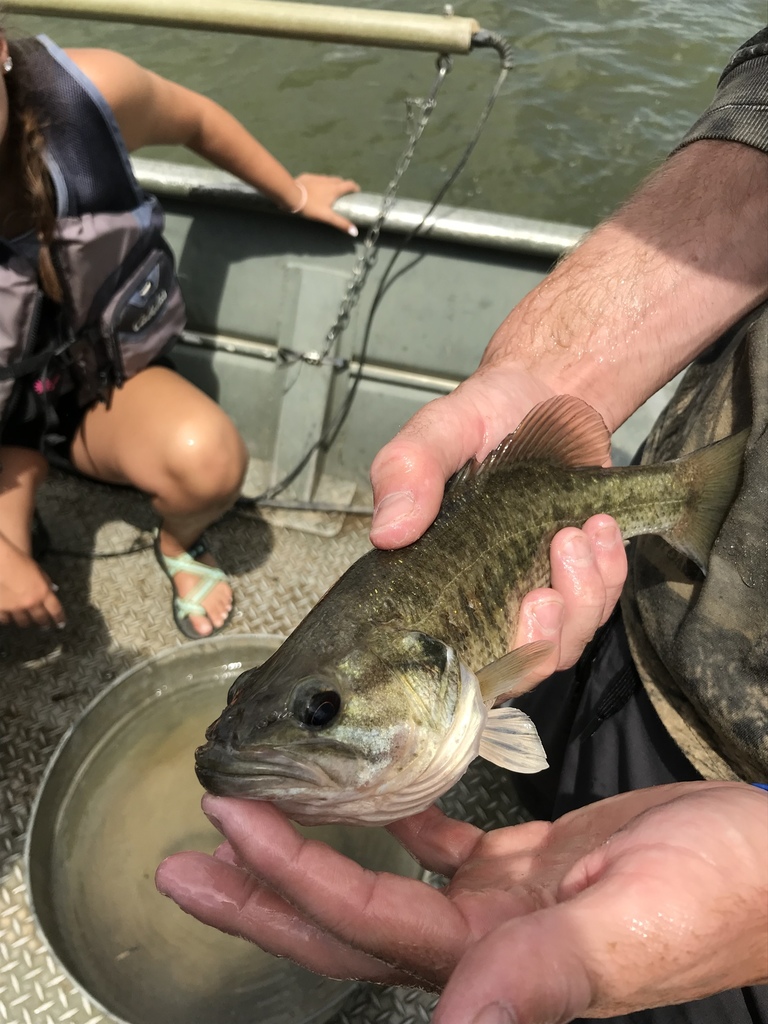
Several years ago, I fished Lac Seul in the Canadian Province of Ontario. The summer season is comfortably warm with moderate rainfall. Midday temperatures rose to close to 76 degrees Fahrenheit (about 25 degrees Celsius). Though I packed well for this trip, my rain gear did not quite match the amount of rain experienced for the time of year. If you enjoy fishing in any and all weather conditions, know the level of precipitation expected for the season and, most specifically, the week. It can make all the difference on a rainy day!
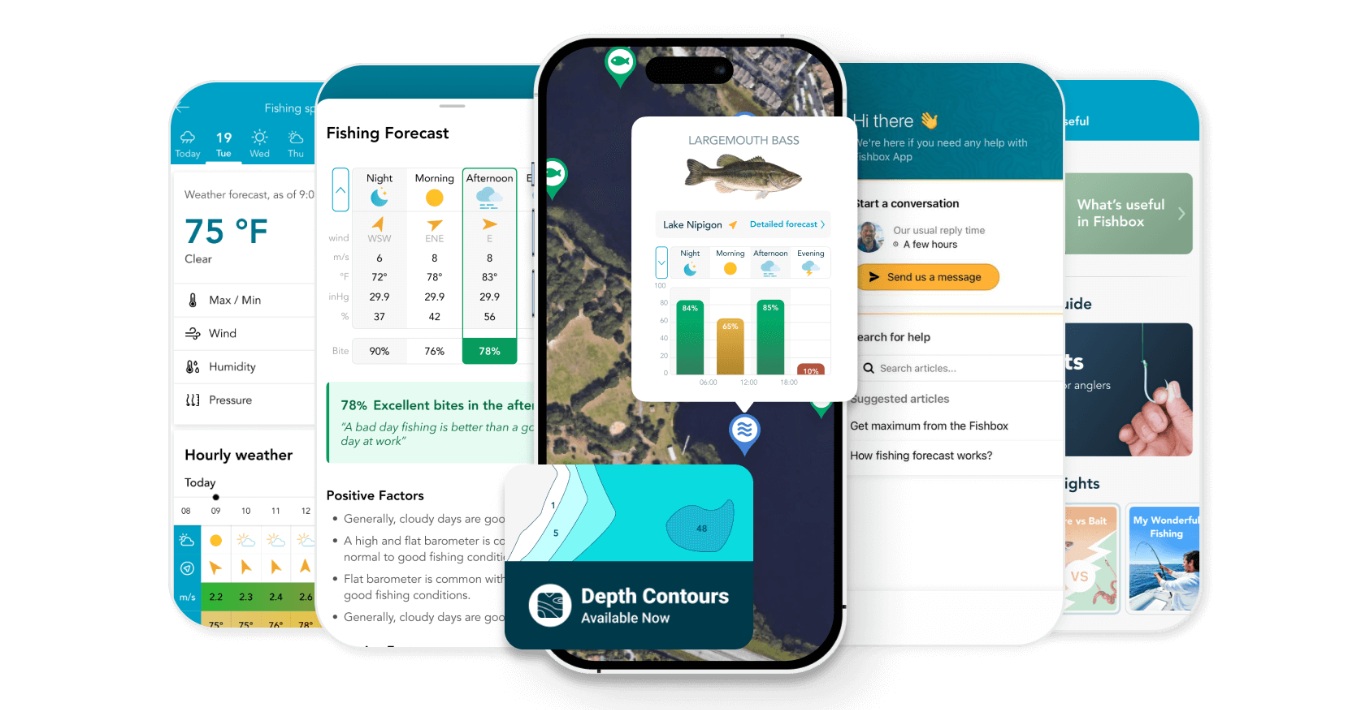
The Fishbox app provides a valuable tool for checking local weather conditions. More than just weather, the survey helps direct you toward a desirable and personalized fishing experience, complete with fishing success reports and a personalized fishing map.
The packing lists for a day trip, an overnight trip, and a multi-day expedition are similar; the primary difference lies in the number of supplies to have on hand while fishing. The differences come to light related to the number of days spent on the fishing excursion.
Day Trip: Ensure fishing supplies are suitable for the type of water you’ll be fishing in, whether it’s freshwater or saltwater. It is possible to use the same lines in freshwater and saltwater, though if you’re fly fishing in freshwater, you’ll need a lighter line; saltwater requires a denser line so that it will sink into the water. For an overnight or multi-day expedition, you’ll need to determine the time of day(s) you’ll be fishing, as this will drive your lure and bait choices.
Freshwater fishing could include bodies of water such as lakes, rivers, ponds, creeks, or bays. Each water body has its unique features. For lakes or bays, boating may be the most effective way to reach the desired fishing location. For rivers, ponds, or creeks, the shoreline is often the most desirable, allowing you to walk along the shore and navigate close to the water. (Rivers may also require a boat based on the length and depth of the river.)
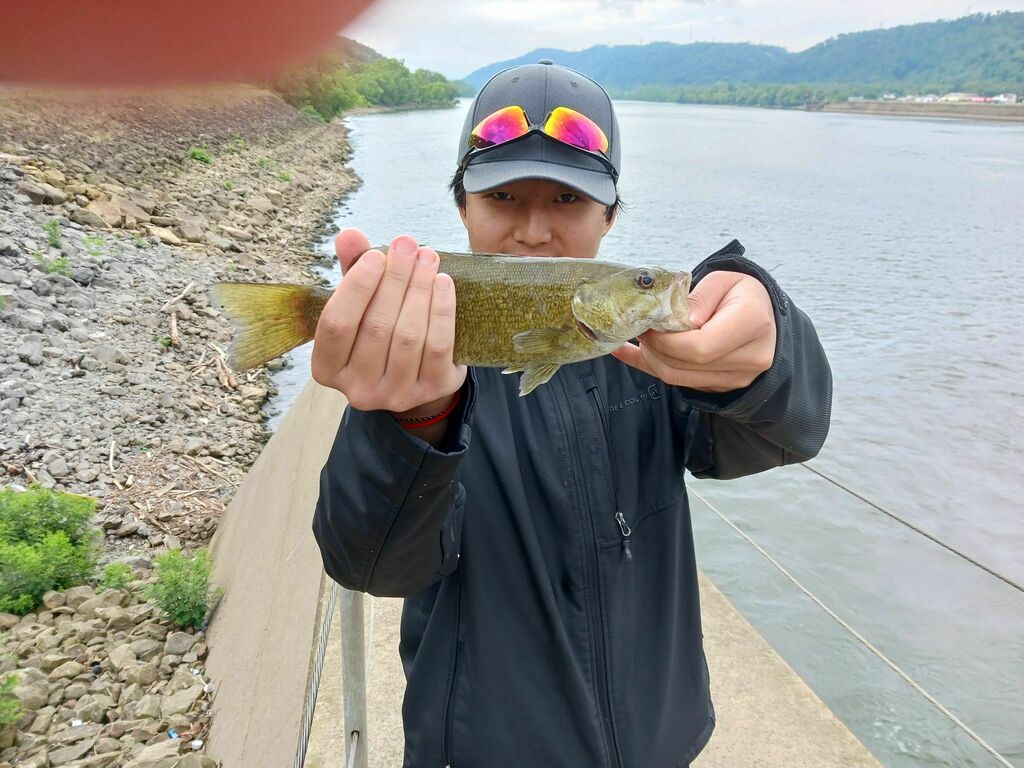
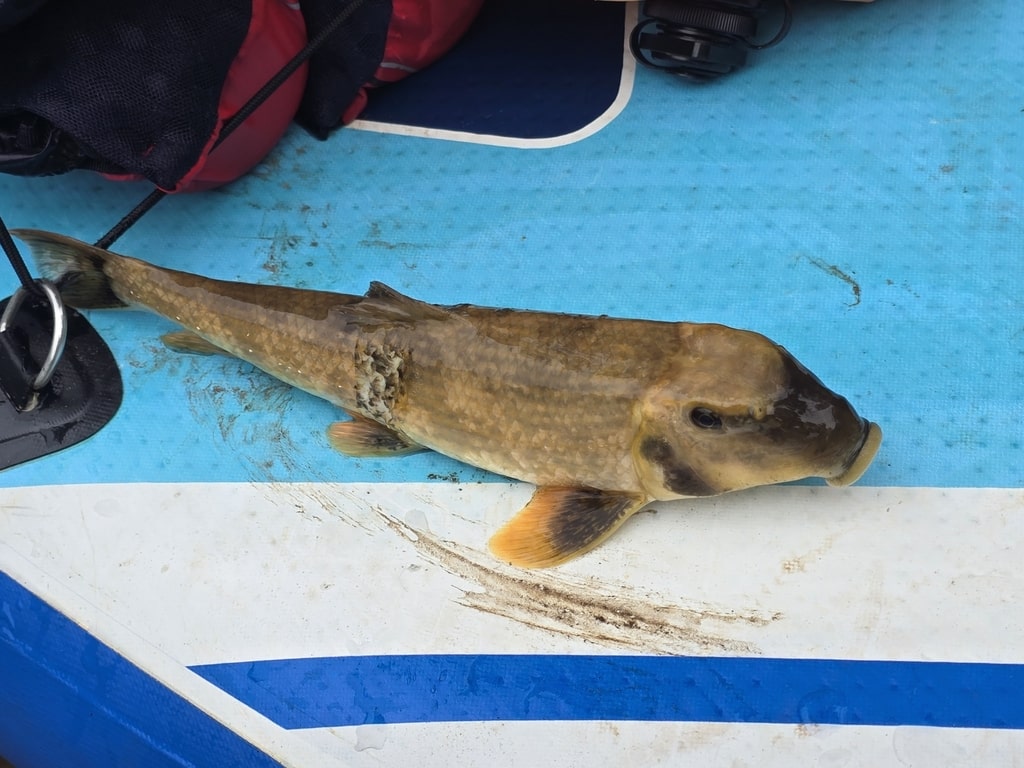
Day Trip: If you’re shore fishing, be sure to have all your fishing equipment with you, as you’ll need it nearby, including your tackle box, net, and immediate gear for your catch. If camping is part of your trip, you’ll need to have camping supplies for overnight and multi-day outings. Pack enough gear for the number of days you’ll be out, as supply replenishment may not be readily available or conveniently located near your current location.
Boat fishing will require additional supplies. You should always carry a life jacket, a marine radio or cellphone, a first aid kit, hydration and snack supplies, sunscreen, a fishing knife, a net, and a cooler with ice (for your fresh catch). Again, be aware of the fishing regulations for whatever water body you desire to fish. Some areas may be closed or have catch-and-release policies only. Please familiarize yourself with the rules of the fishing destination before departure and include this information in your packing list.
Day Trip: For a solo trip, be sure to pack everything you’ll need, as you’ll be on your own. For a guided tour, the tour guide typically provides all the necessary fishing supplies for the day. This is true for both overnight trips and multi-day expeditions. Consider the expense involved in both options: solo fishing tends to be more affordable and an activity that can be done without the depth of planning required for a guided tour.
Guided tours can also be affordable. The cost and length of the trip are generally determined by what the tour company offers and whether a group of anglers has been booked for the tour. The more anglers booked for the tour, the less expensive the guided tour becomes. For a day trip, rates can vary from a few hundred dollars for a solo-guided trip to several thousand for a multi-day excursion. Prices vary significantly depending on the services provided. For example, if lodging, transportation, and meals are included, the price will increase based on the level of service offered. Late spring through early fall is considered the prime season for fishing, depending on the location of your destination.
What should I bring on my first fishing trip?
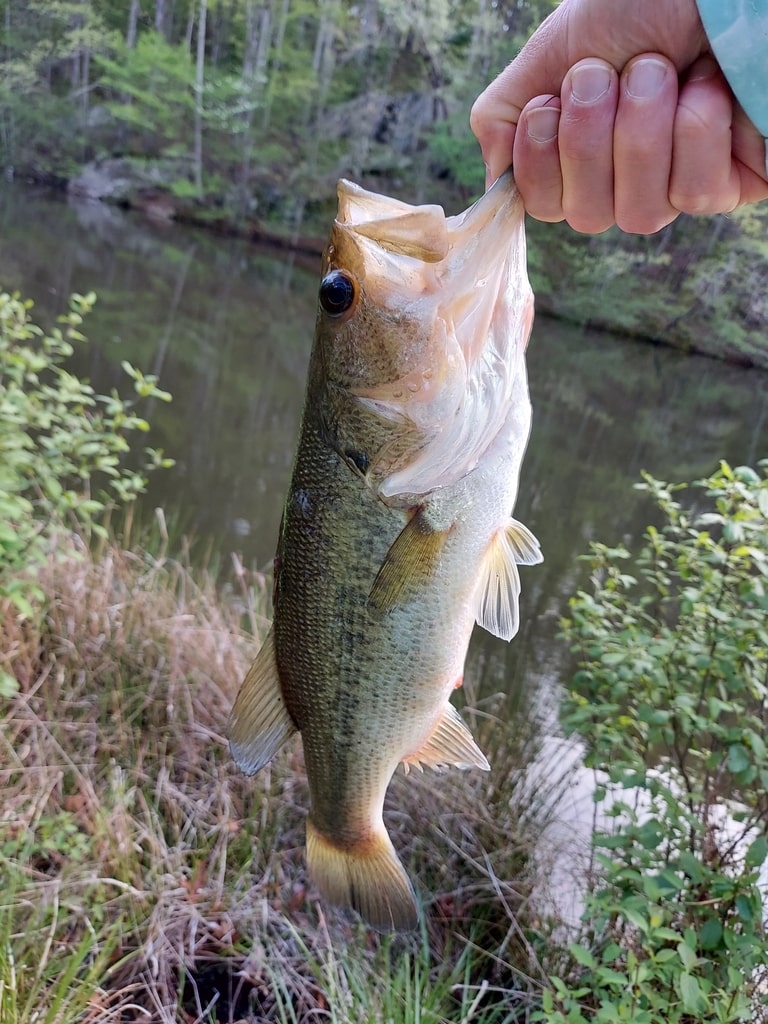
It is essential to be as prepared as possible for any fishing opportunity. Keep in mind that bringing too many supplies can be overwhelming and can distract from the fishing experience. Ensure your gear is suitable for the species of fish you intend to catch. Spinners, flies, and spoons have proven successful for lake trout; a worm and bobber work well for pond fishing.
What to bring on a fishing charter?
Typically, a charter will provide the fishing gear needed for the trip. They may provide hydration and snacks, but be sure to bring your own as well. Sunscreen, sunglasses, a light wind jacket, and a sun or baseball cap can help shield potential glare from your line of sight while casting.
Do I need a fishing license, and how do I get one?
Fishing licenses are available at many locations:
What are the top mistakes to avoid when packing for a fishing trip?
Here are a few things to consider while packing for a fishing trip:
Fishing at any time of year is an enjoyable escape and a great way to commune with nature. Working off a packing list for your fishing excursion reduces stress and allows for more time to focus on fishing rather than worrying about what was forgotten.
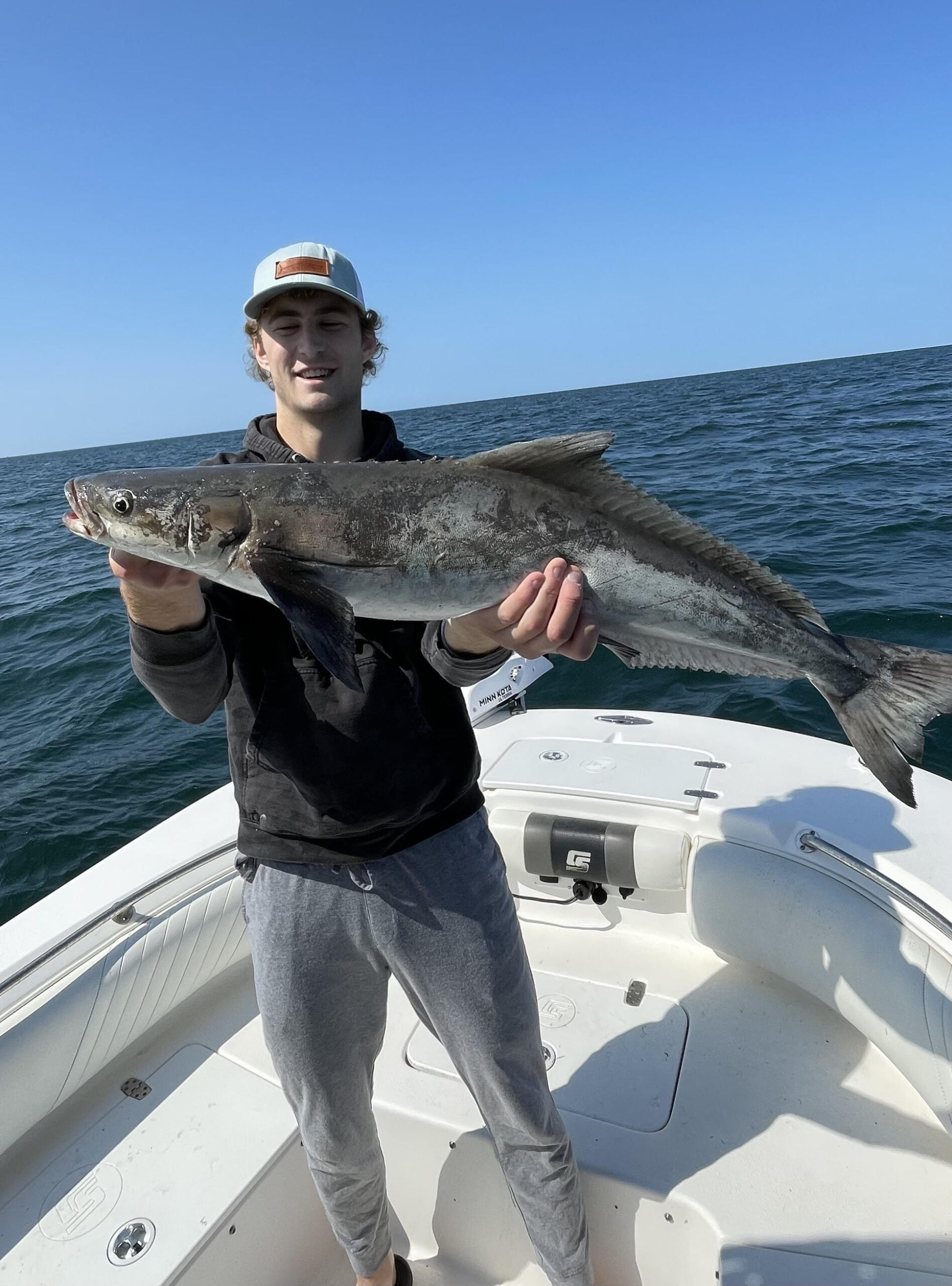
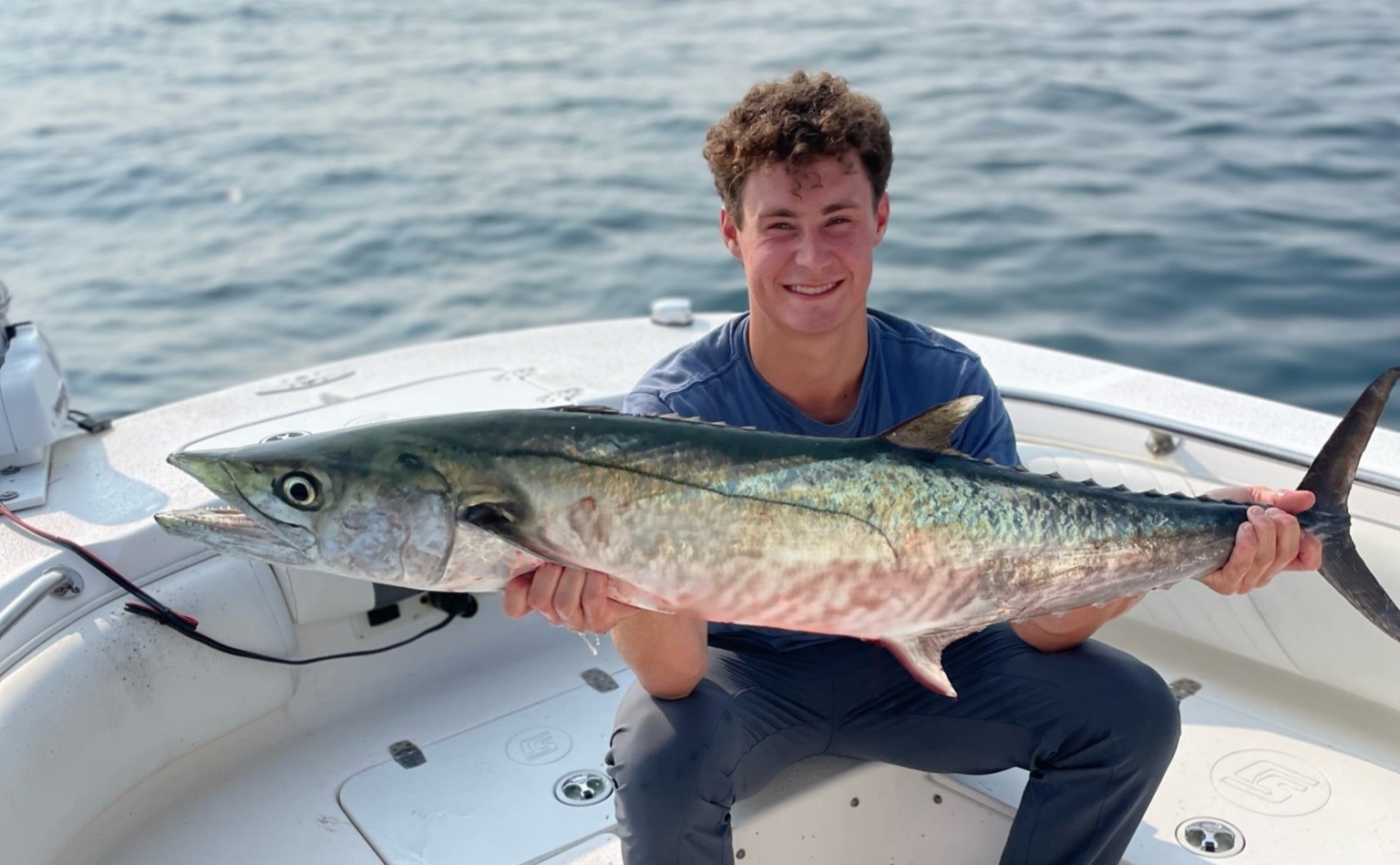
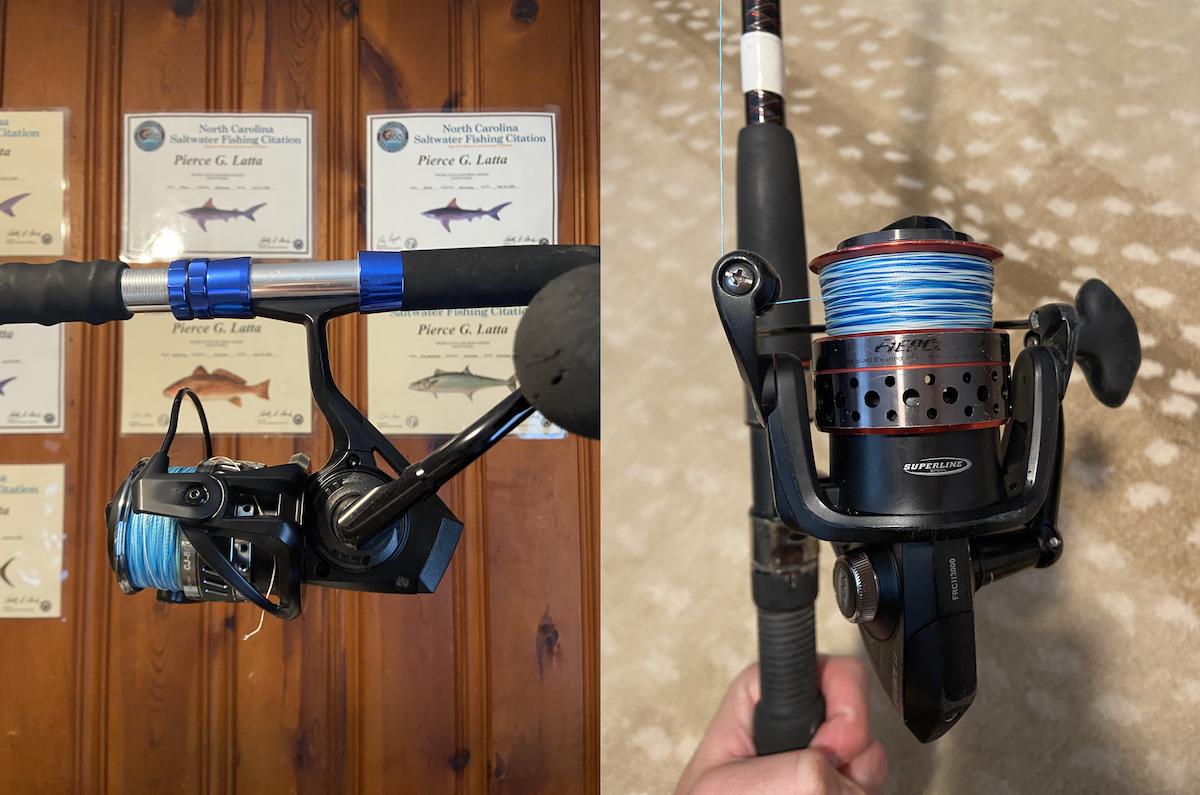
While fishing is a very fun activity and sport, fishing trips themselves can be quite stressful — especially when it comes down to what to pack. There are so many different things you must consider, whether it be food, water, tackle, clothes, rods, reels, etc. This article gives us a better picture of what to pack or take in these situations, so let’s get straight into it. The first section this article talks about is checklists. Personally, checklists have always been extremely helpful for me. When it comes to fishing gear, I list out everything I may want or need — literally everything. Then I go through the list and either decide to pack it or leave it back home. This can also be helpful with other aspects of fishing trips, such as when staying multiple nights somewhere. I use this same checklist strategy for my fishing clothing as well. I type it down on my phone and then just repeat the exact same process. The next section of the article goes into something I mentioned a second ago — considering the type of fishing trip you are doing. The first distinction is between a day trip and a multi-day excursion. This is where people waste a lot of space packing. If you know you have access to washing machines, such as when you’re staying onshore, you don’t need to bring nearly as many changes of clothes because you can wash them. However, if you don’t have access to a washing machine, then you probably should bring a change of clothes for each day unless you want to smell super bad. Remember, the less clothing you can pack, the more fishing stuff you can pack — especially if you’re flying. This is another very important point: be aware of rules and regulations regarding what you can pack on a plane or in a rod tube so you don’t get things apprehended without knowing it. All four of the other subsections in the article talk about the type of trip you could be doing. This is all great advice, but I’d love to add what I typically do when going on a fishing trip. Since most people reading this are assuming this article is talking about traveling to another place to fish, I’ll go from there. First, you need to do research beforehand and see the bodies of water you are most likely going to fish and want to fish. From there, research the species in them. This can include research about catching species by targeting them a certain way. If you know you don’t have access to a boat, then don’t plan on catching deep water species unless you can access those depths from shore. From there, once I have the species identified, I research baits and gear required to land this fish. The trick to packing for a fishing trip is doing your research beforehand. If you’ve done your research correctly, you should never catch something you didn’t expect or weren’t prepared for — meaning you should be equipped, if you packed the right gear, to land whatever you hook. This is just my two cents when it comes to packing for fishing trips, and I hope it’s helpful for you guys reading. I hope you guys enjoyed this article and these comments, and as always, good luck and tight lines!