
Any question about the article?
Please use your work e-mail, so we can connect with you
Fishing reels are like cars and trucks in many regards.
You could have a specific model for every type of driving you do throughout the week, but most of us choose models that fit our needs on a daily basis. After all, how many of our homes feature three- and four-car garages?
Yes, we can utilize the brutish off-road vehicle for the weekend trips into the desert or the vintage muscle car for those road trips to Florida, but taking the same vehicle to drop off the kids at school really isn’t practical. One or two practical vehicles—not three or four– geared to our needs and our environment is clearly the way to go.
It’s not that different with fishing reels. In this guide, Fishbox will help you choose the best types of reels based on your experience and how efficient you want to be while fishing. Like some vehicles, some fishing reels come with a learning curve; do the wrong thing at the wrong time, and you’ll have a daunting bird’s nest of line to deal with. Others are so simple that a five-year-old can manage them.
The key to choosing the right reel typically comes down to finding one that’s less expensive (than a car payment) and has plenty of versatility. Yes, there are innumerable options from manufacturers such as Penn, Daiwa, Shimano, Okuma, and others, but we’re here to help.
The global fishing reels market size was valued at $US4.83 billion in 2024 and is projected to grow 8.5 percent annually from 2025 to 2030, according to Grandview Research. Growth in fishing tourism, recreational fishing (specifically fly fishing and fishing from kayaks), demand for compact reels, and technological advances are all fueling the growth, Grandview reports.
With that in mind, here’s our guide to fishing reels:
Best for catching: Trout, largemouth bass, walleye, redfish, crappie and more.
Price range: $50-$125 (all prices U.S.).
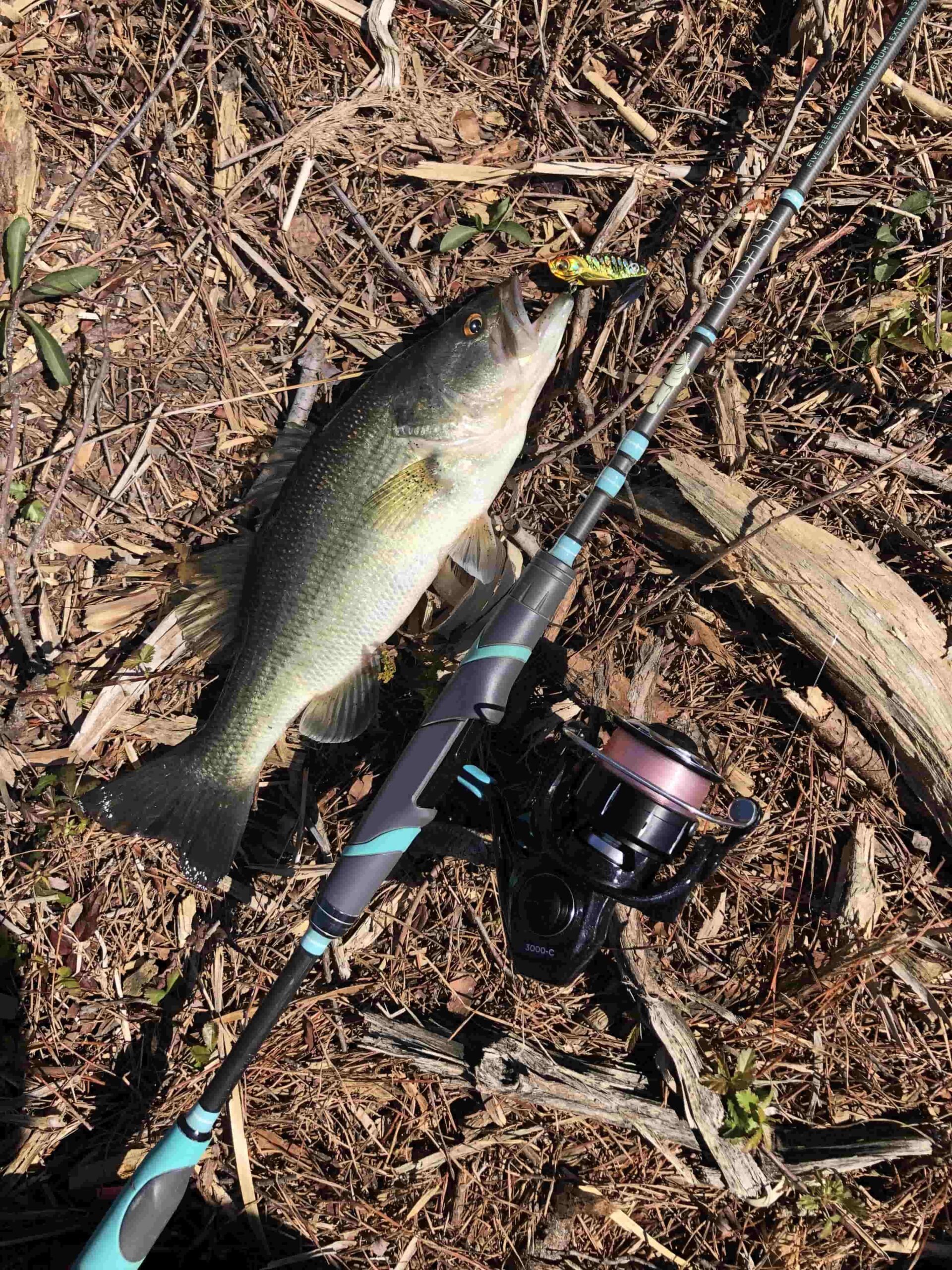
Spinning reels are the most popular reels on the North American market, thanks to their ease of use, versatility, and durability. In fact, according to Grandview Research, more than 32 percent of all anglers in North America owned at least one spinning reel in 2024.
Sitting under rods, spinning reels feature open-faced designs with metal bails that offer superb casting accuracy and control. In fact, most anglers say spinning reels are unsurpassed in their maneuverability and casting distance. What’s more, there are numerous sizes and designs manufactured for various fishing styles, which adds to their appeal.
Best for catching: Freshwater species including largemouth bass, smallmouth bass, muskie, catfish
Price range: $100-$150
The durable and dependable baitcasting reel is the ultimate choice for serious anglers when they are targeting bass and other freshwater species in the rivers and lakes throughout the country. Whether fishing standing timber, weeds, rocks, boat docks, or brush piles, anglers depend on baitcasting reels with heavy lines to wrench fish out of tight environments.
Read also: Lake Fishing: Essential Tips for Catching Fish in Lakes
Baitcasting reels are preferred by experienced anglers looking to make precise casts into specific locations, such as under a tree limb or near a field of lily pads. They make it easy to manage thick braided and fluorocarbon lines, which is necessary for these situations and can manage areas typically not suited for spinning reels.
It can be a challenge to learn to use a baitcasting reel. The spool tends to keep rotating even after the lure has reached its target, causing a tangled up “bird’s nest” of fishing line that can take a lot of time to undo, but for intermediate anglers and ambitious beginners, a baitcasting reel is a great tool for anglers to have in their arsenal.
Round baitcaster reels have an enduring legacy for catching both freshwater and saltwater fish. They hold a lot of lines and have the power and drag needed to land sizable (more than 7 lbs.) fish, such as catfish. They are, however, typically heavy and thick for some anglers to manage. It can, however, be heavy and cumbersome for some anglers to manage.
Low-profile baitcaster reels have become more prevalent in recent years thanks to their more compact design and lighter weight. Along with bass, anglers who target mid-sized walleye, pickerel, and pike should look at low-profile baitcasting reels.
Best for catching: Panfish, lightweight bass
Price range: $15-$125
When most families start exploring ways to get their children involved in fishing, spincasting reels immediately come to mind. They are designed with simplicity at the forefront; the fishing line is encased in closed metal or plastic cones, and line release is controlled by a button on the reel. This minimizes tangles and makes casting for smaller fish with lightweight lures and live bait as easy as possible.
Spincast reels catch more fish in America each year than any other design. That’s because they’re easy to use, inexpensive compared to other designs, and widely available. Because they are so easy to use, spin cast rods and reel combos are what most parents choose to teach children how to fish; their reels are appropriate for almost any age.
While casting accuracy and range are limited, spin casting reels are typically very affordable and provide the first steps toward a lifetime of fishing. The ease of use of closed-face reels makes them perfect learning tools for the angler just starting out.
The other type of spincasting reels are trigger-equipped reels which are often called triggerspin reels and are paired with a spinning rod. They sit under the rod like a spinning reel and work like a push-button model but with finger pressure held on the trigger until the line is fully cast.
The reels also serve an important function for young anglers: They can serve as a transition to spinning gear or for youngsters simply wanting to move on from a push-button reel.
Best for catching: Trout, salmon, steelhead
Price range: $25-$900+
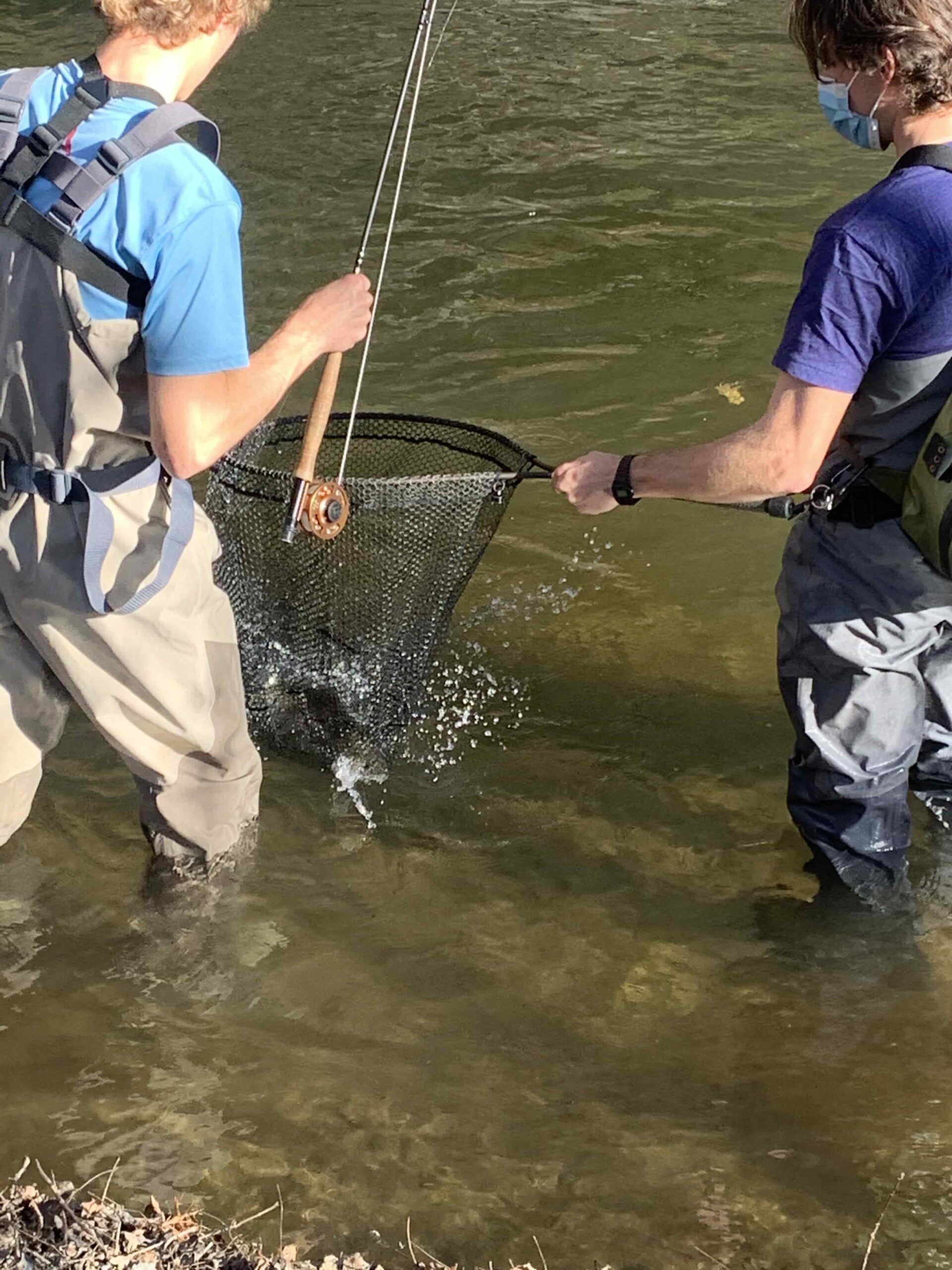
One of the more popular categories in the fishing industry is fly fishing, be it via kayak, on the shoreline, knee-deep in a river, or on a boat. Fly reels are fundamental compared to spinning reels; they are used for holding lines between casts and fighting the fish. The reels often feature large arbors to hold heavy fly lines. Casting requires pulling the line off the reel and then using the reel handle to retrieve it.
The multiplier is identified as reels that feature spools that rotate more than once on retrieval. Automatic reels are designed so that the line is retrieved by pushing a lever, but they are heavy and rarely.
Best for catching: Flounder, redfish, striped bass, bluefish, red snapper and more
Price range: $40-$150+
Surf reels are oversized spinning reels adapted for surfcasting; they’re designed for longer casts and have larger line spools to increase line capacity. This design provides anglers an advantage over traditional reels when fishing in surf environments.
Look for models that offer strong protection (i.e., sealed bodies) from saltwater and have stronger drag.
Salt eats hardware fast, so the same rule applies to the rest of your setup. CritPro stocks saltwater-rated gear like stainless rod holders and outrigger rigging from brands such as Rupp and TACO.
Read also: A General Overview of Surf Fishing
Best for catching: Tuna, marlin, or any large game fish in freshwater or saltwater environments.
Price range: $100-$600
Trolling reels are designed for trolling, a type of fishing involving baited lines dragged through the water behind a moving boat. Designed to manage heavy lines, substantial fish, and extended fishing periods, these reels are crucial for both freshwater and saltwater deep-sea fishing. Trolling reels are characterized by their durable construction and large line capacity, making them optimal for lengthy fishing excursions.
In addition, these reels can be used for vertical jigging and bait fishing. A 6 7 -or 7-foot, medium-heavy rod matched to a 20- to 30-pound reel spooled with 50 50-pound braided line and a topshot of 100 yards of 20 to 30-pound monofilament can easily handle these applications.
Keep in mind that some trolling reels are designed for experienced, professional anglers, so speak with local experts in your area to find one that fits your needs and expectations.
The key to ensuring your reels last several seasons or several years— depends on how vigilant you are when it comes to maintaining them after each use.
At the very minimum, whether used in freshwater or saltwater, reels should be rinsed with fresh water after each use using light water pressure. Make sure to rinse all areas of the reel by holding it upside down or with the drag facing toward the ground.
Before rinsing, tighten the drag to keep water from getting inside.
Another sound idea is to lubricate all external moving parts of the reel with gear oil or a spray lubricant (avoid WD40, however). Just a few drops will do the trick. Wipe off any excess with a clean, dry rag.
At the end of a busy season, to prevent damage, most anglers suggest loosening the drag and completely disassembling your reel. There are oils for specific uses and reels (i.e., Daiwa), so do your homework for the best results.
The importance of understanding reel types can’t be understated. Knowing the type of fish you are targeting, the environment in which you are fishing in, and your experience, all come into play. For beginners, the obvious choice is a spin casting reel, thanks to its one-button casting simplicity. That said, even experienced anglers may keep a spin casting rig in the trunk of their car/truck for when inspiration suddenly strikes.
For more experienced anglers, the spinning reel is a solid option, given its versatility. They can easily be used for everything from baitfish to striped bass. Baitcasting reels have a little steeper learning curve, but when it comes to targeting largemouth and smallmouth bass, they are the most natural option.
From there, fly fishing, surfcasting, and trolling reels are more the more experienced or those seeking a specific reel for a specific purpose. Having these reels in your quiver is a luxury, but for those fishing more than 40-50 days a year in specific environments, they are certainly worth exploring.
“Ah, the infamous budget breakers—fishing reels. Over my many years of fishing experience, I’ve been very fortunate to use and fish with most fishing reels on the market. Mostly, reels are designed for a specific purpose, whether saltwater or freshwater or maybe even broken down further by species. Regardless, I’m excited to read this article, so let’s jump into it!
The first type of reel discussed is the widely popular spinning reel. This reel can be used for any application besides deep-dropping and offshore trolling. The article provides a range of $50-$125 for a spinning reel, but from my experience and research, the reels can cost as little as $10 and as much as $800. Again, this is heavily dependent on the application of the reel. Personally, spinning reels are far easier to use than casting or baitcasting reels simply because I grew up using them. My main uses for spinning reels include surf fishing reels, some bass reels, inshore fishing, big game offshore fishing, rather than casting or some trolling), and even bottom fishing. The only real downside to spinning reels is the amount of torque they have compared to a deep-sea trolling reel. In the grand scheme of things, spinning reels cannot output as much drag and/or torque as their trolling counterparts, so many people who need high torque (bottom fisherman, etc.) prefer something other than a spinning reel.
The next type of reel discussed is the baitcasting reel. While this can also be used for various applications, I use my baitcasting reel strictly for bass fishing because of its limited drag and line capacity. As the article says, this reel can be used for other species like pike, musky, smallmouth, etc.
The next reel is the spin-casting reel. Don’t even get me started. These reels are TERRIBLE. They are spinning reels, but you can’t see what is happening behind the scenes. All you do is push a button, and the line comes out. I get it; it seems simpler, but I promise it’s worth starting young ones on spinning reels. Spincast reels are a cheap alternative to spinning reels, and I highly don’t recommend them. I could write a book on why I hate spin cast reels, but we will save that for another time.
The next section is fly reels. I have one fly reel, but to be honest, I’m not very knowledgeable about this field. I know they can range from very expensive to very cheap and that it is extremely important to factor in the class of fish you are targeting when buying one of these reels.
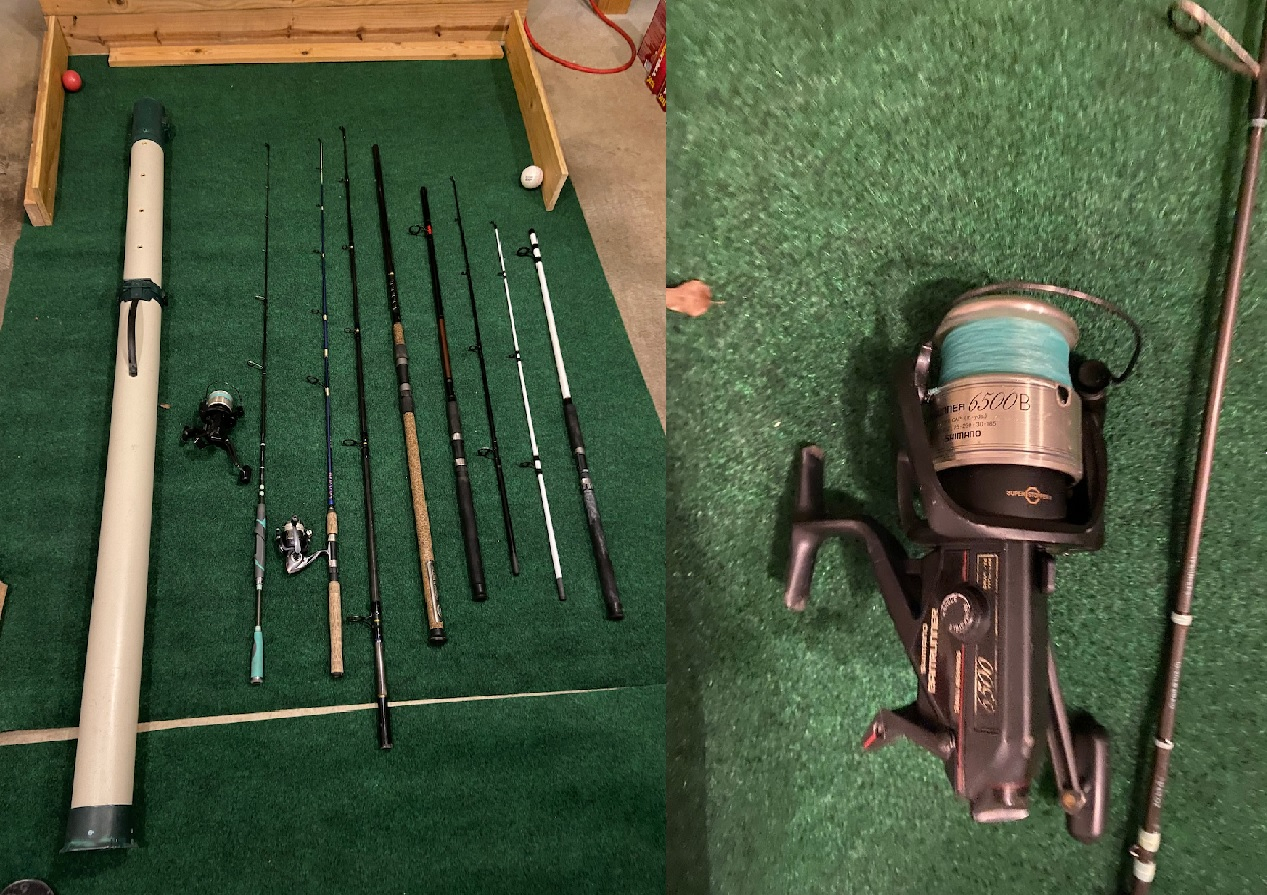
The second to last type of reel mentioned is a surf reel. Surf reels are simply spinning reels. Sure, sometimes they are slightly different, but for the most part, they are identical other than maybe an increased spool width for greater casting distance.
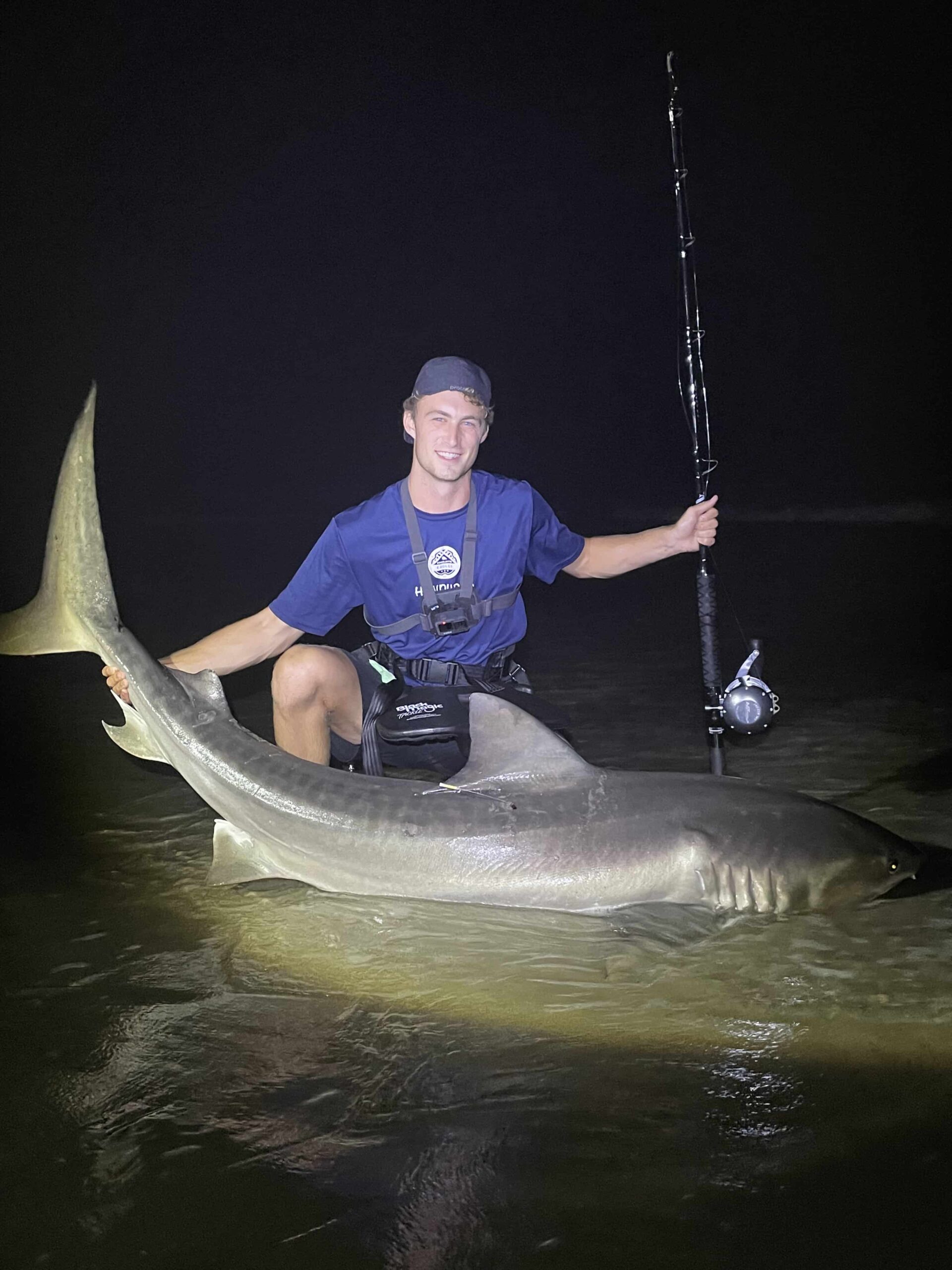
The last and most expensive type of reel is a trolling reel. I own a couple of these personally, and some of these models are so expensive that they cost thousands of dollars. I use these strictly for big-game offshore and land-based shark fishing because of the line and drag capabilities.
The last section of this article is about maintaining your reels, which most people don’t put too much thought into. If you spend a lot of money on fishing gear, you better be able to service and take care of it so it can last a long time. Plenty of videos online with everything you need to know about servicing.
This article was a great read, and I hope you enjoyed it as much as I did. As always, good luck and tight lines!”