
Any question about the article?
Please use your work e-mail, so we can connect with you
Arguably, two of America’s favorite fish, Smallmouth and Largemouth Bass, are fantastic freshwater classics targeted by anglers across the United States. From everyday anglers to occasional anglers, everyone loves catching big Bass. There are even hundreds of popular Bass fishing competitions and tournaments with some serious prize money, but how do you tell the difference between the two species?
At a quick glance, Smallmouth and Largemouth Bass are similar in shape and size, but there are some significant differences between the two fish species. To help identify the difference between both fish, we prepared this comprehensive guide.
In the following guide to Smallmouth vs. Largemouth Bass, we’ll cover:
If you’re interested in Bass fishing, be sure to check out The Best Bait for Striped Bass: Your Ultimate Guide to Catching Stripers, which covers everything you need to know about the best Striped Bass baits, techniques, and tips.
Catching Bass, Smallmouth, and Largemouth can be challenging, but thanks to the Fishbox, a premium Fishing Forecasting App, you’ll have access to advanced technology, including the best time to go fishing and when you’re better off relaxing at home.
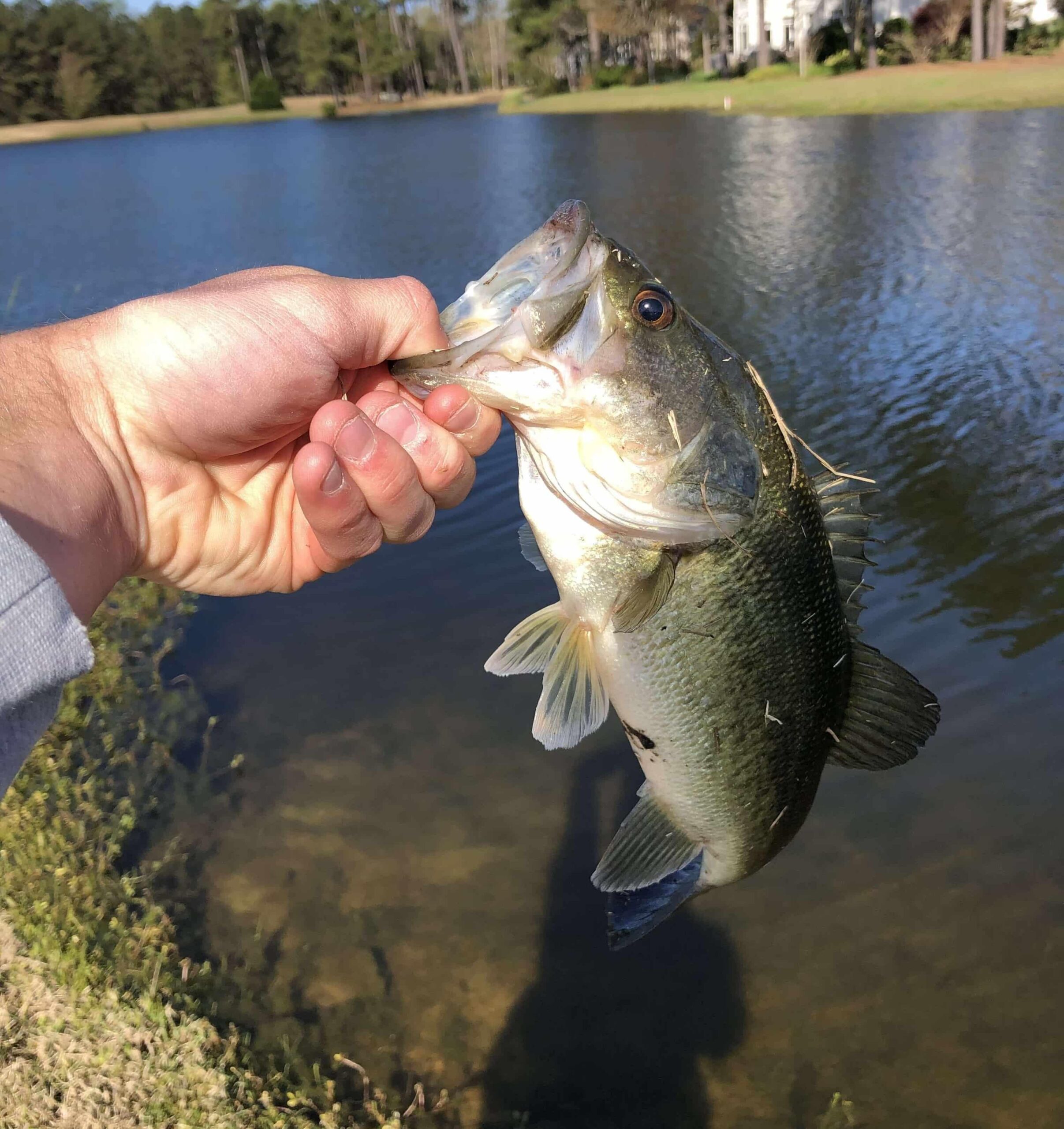
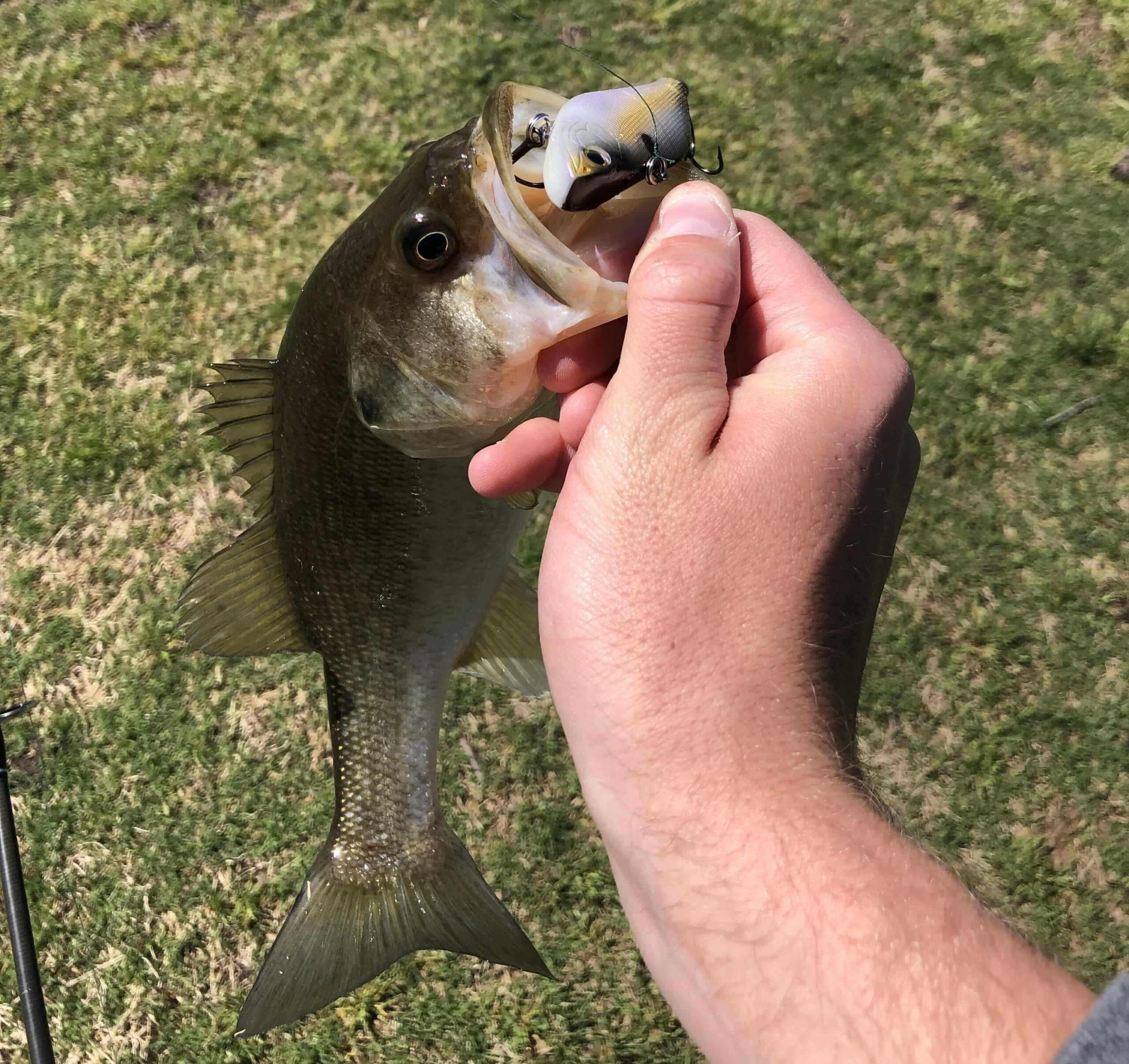
Similar to their names, the first difference between Smallmouth Bass and Largemouth Bass is their size. Typically, Largemouth Bass will grow much bigger, reaching sizes up to 20 pounds, while Smallmouth Bass average around 10 pounds.
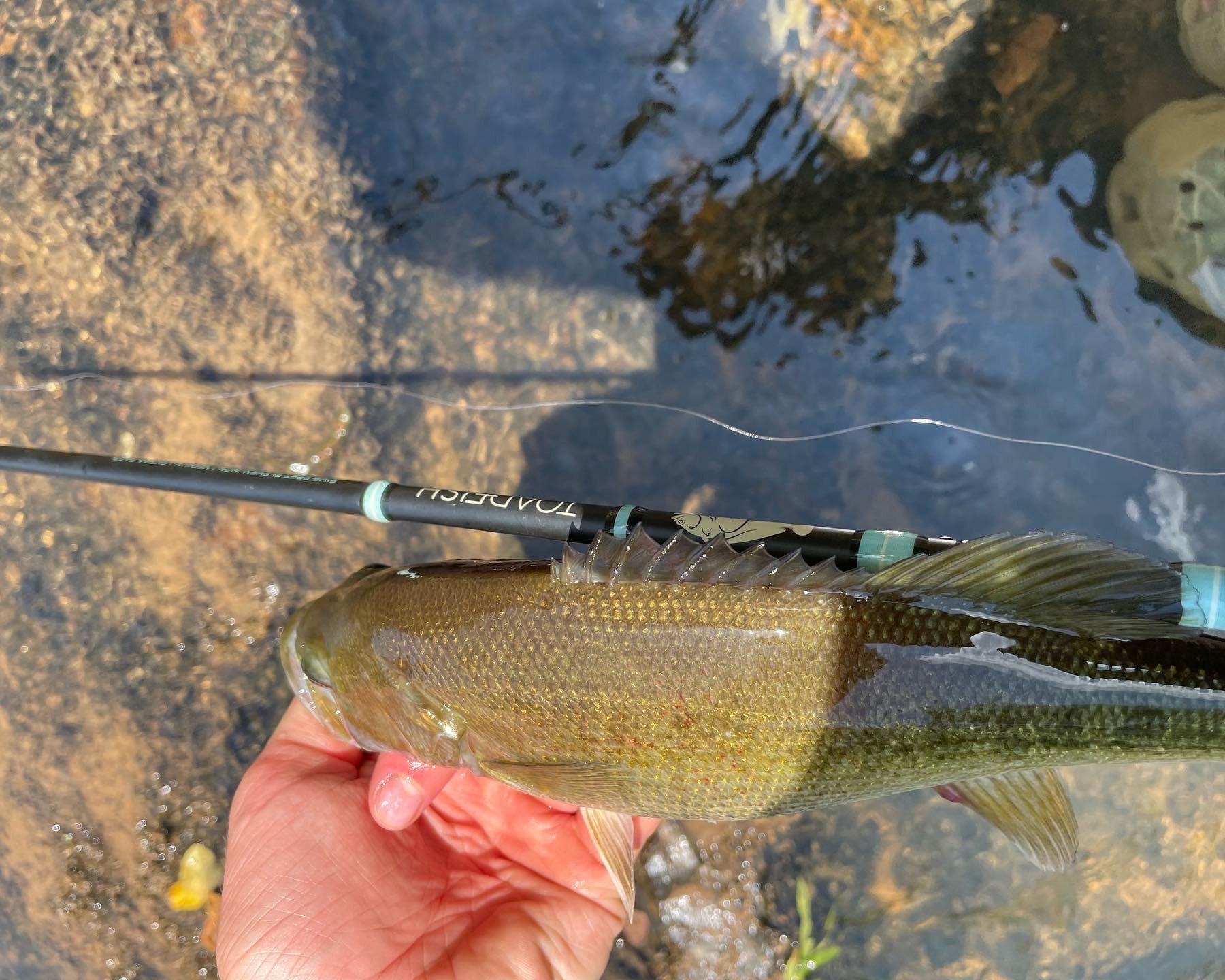
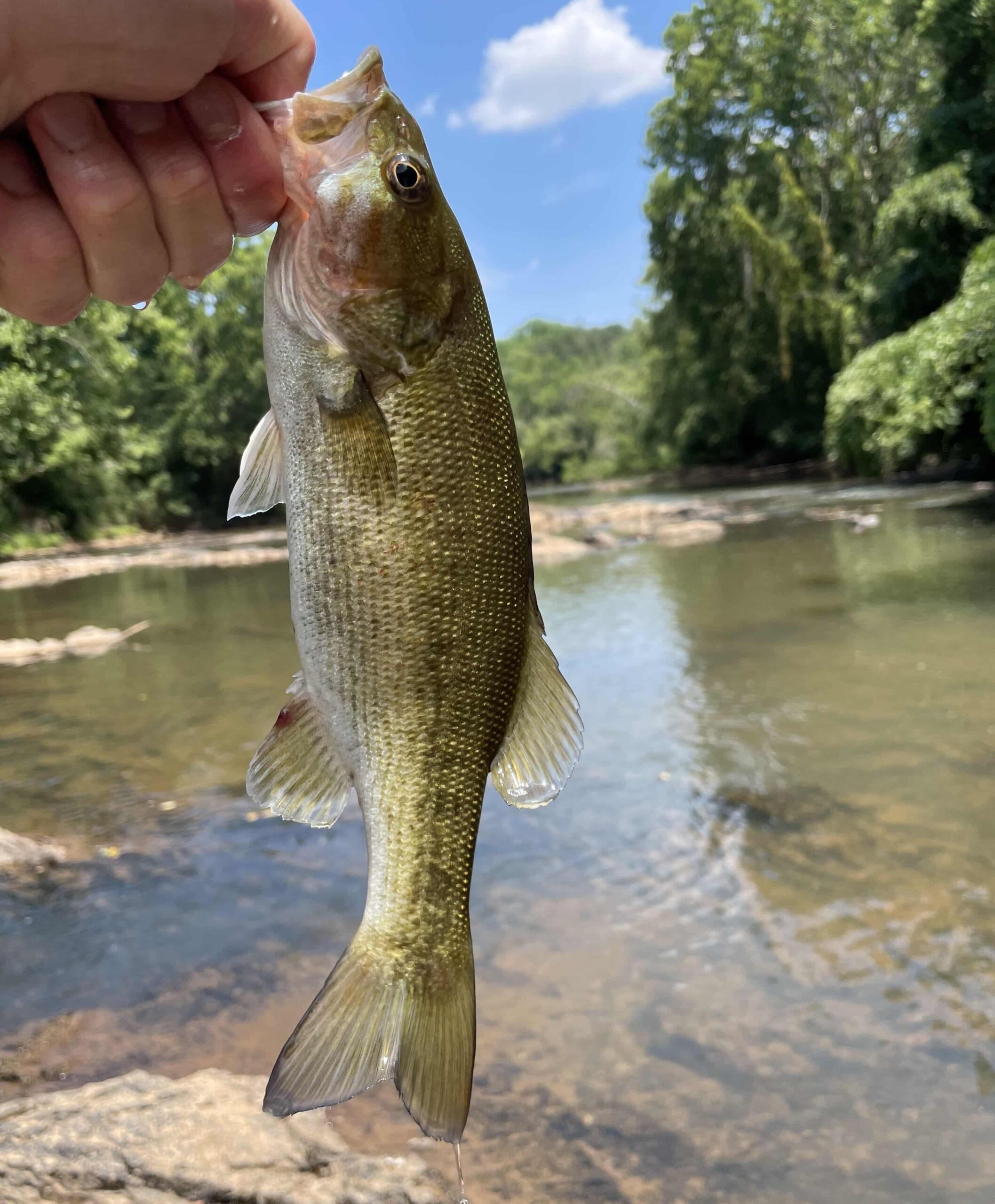
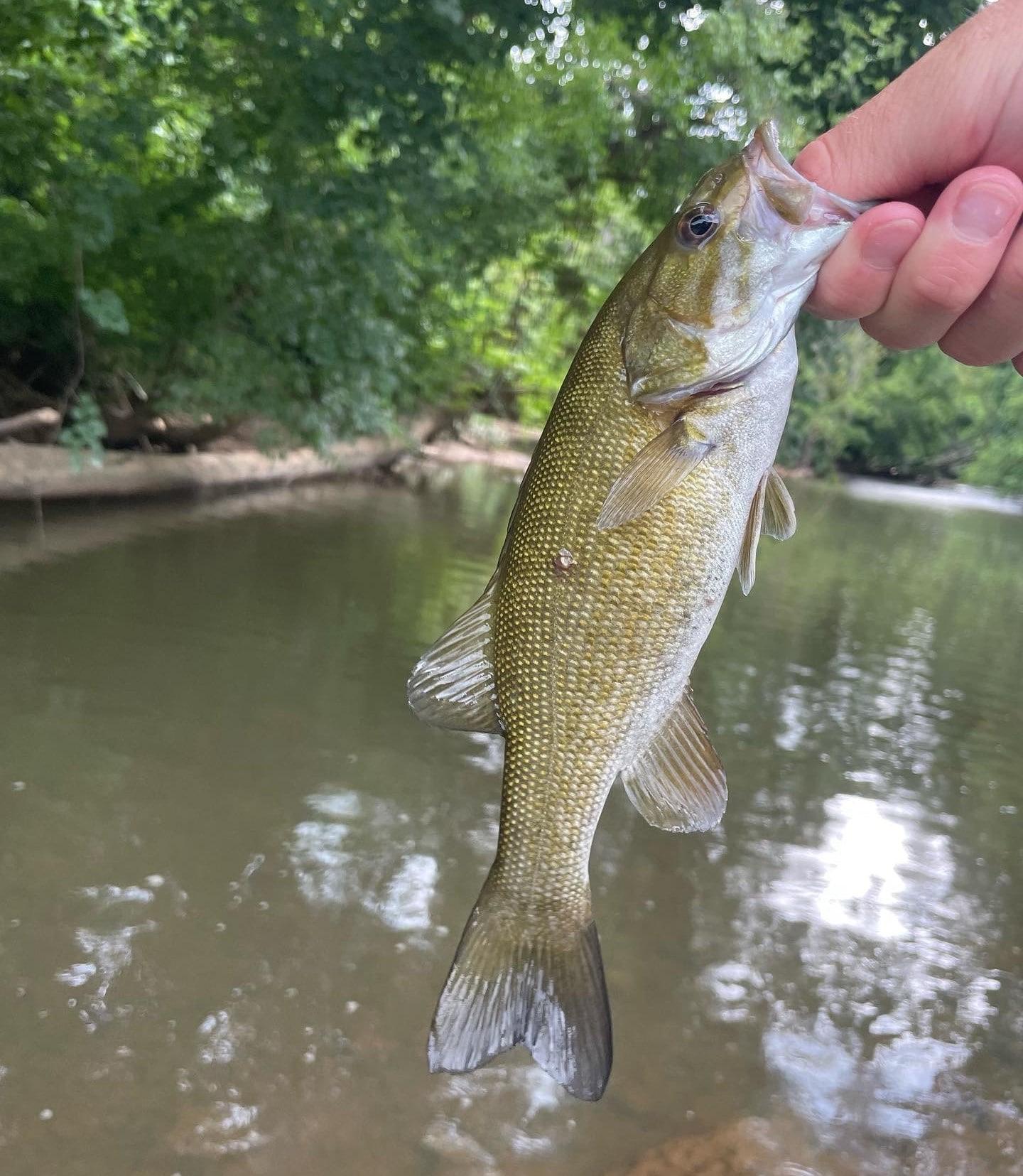
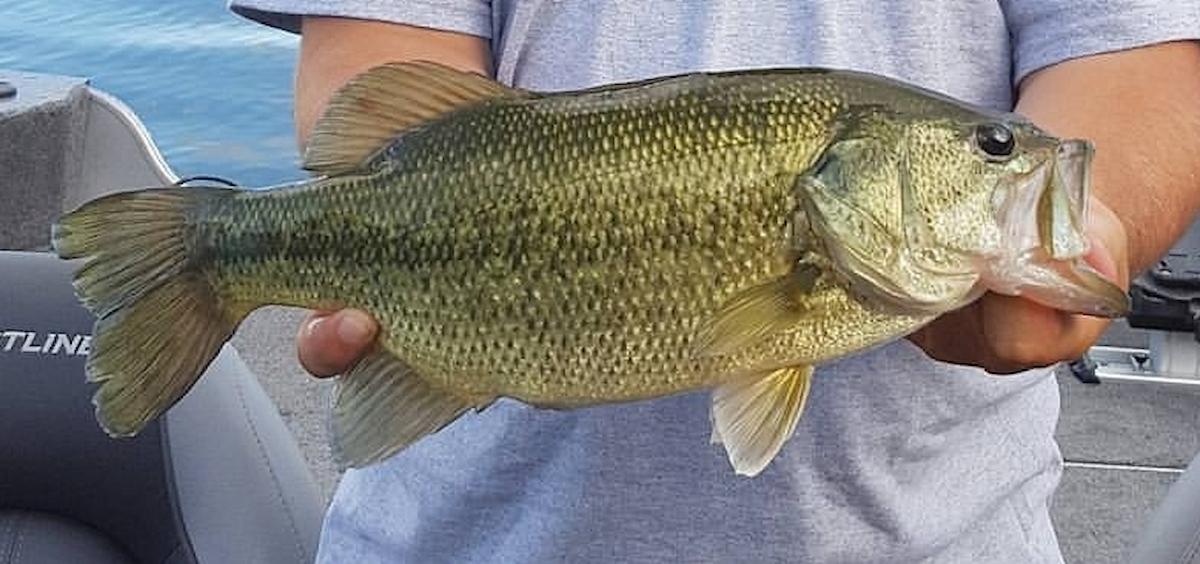
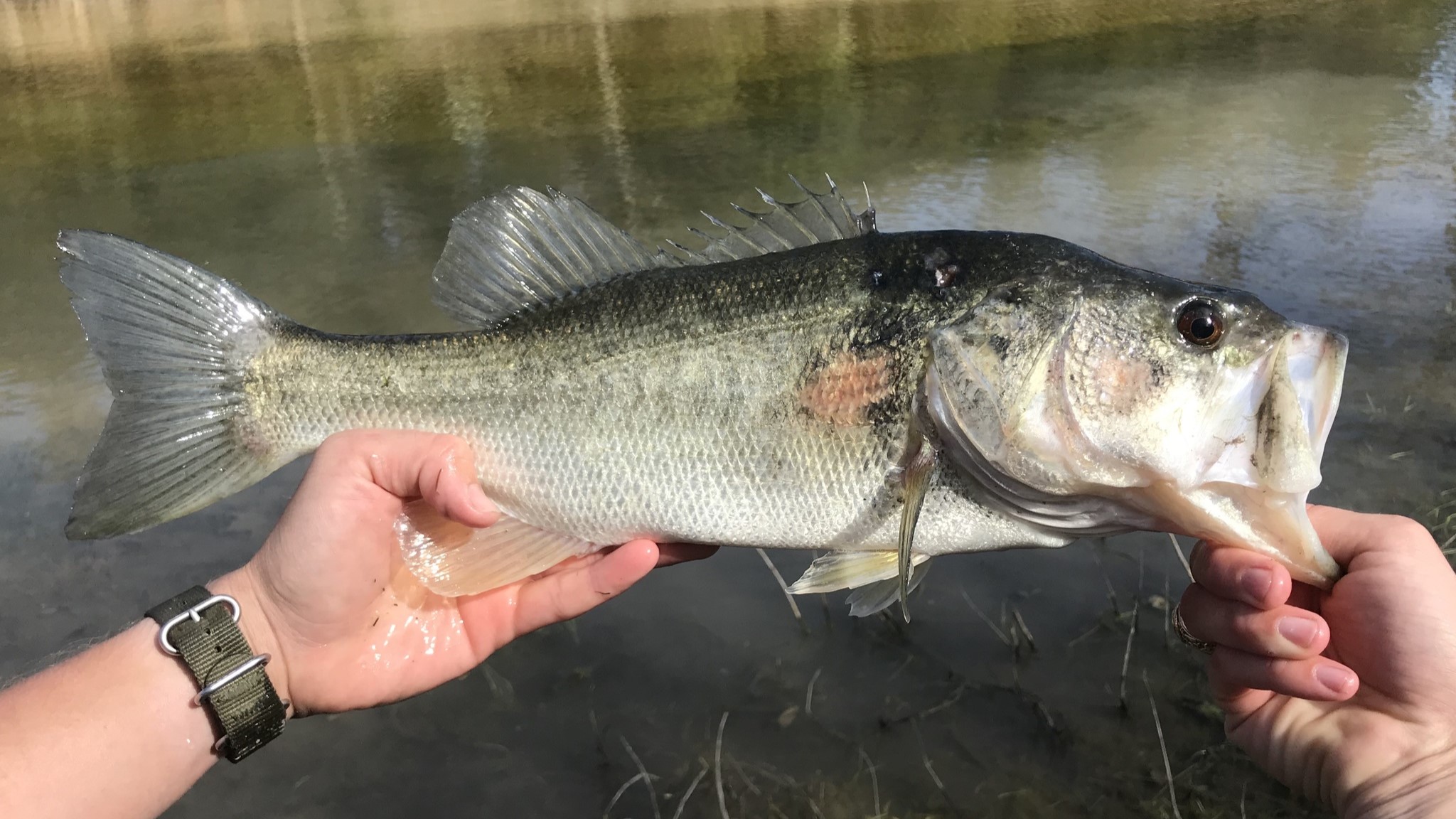
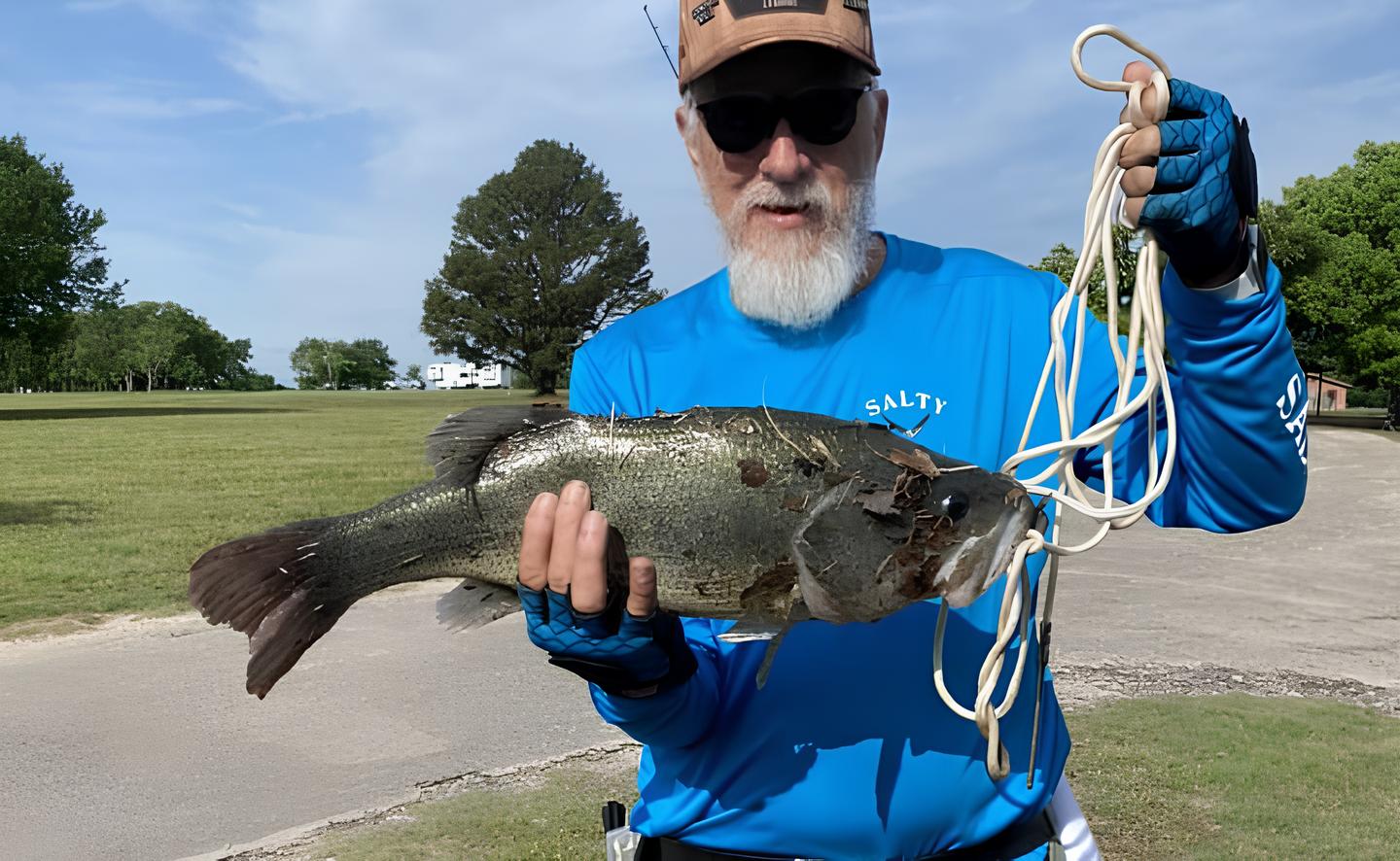
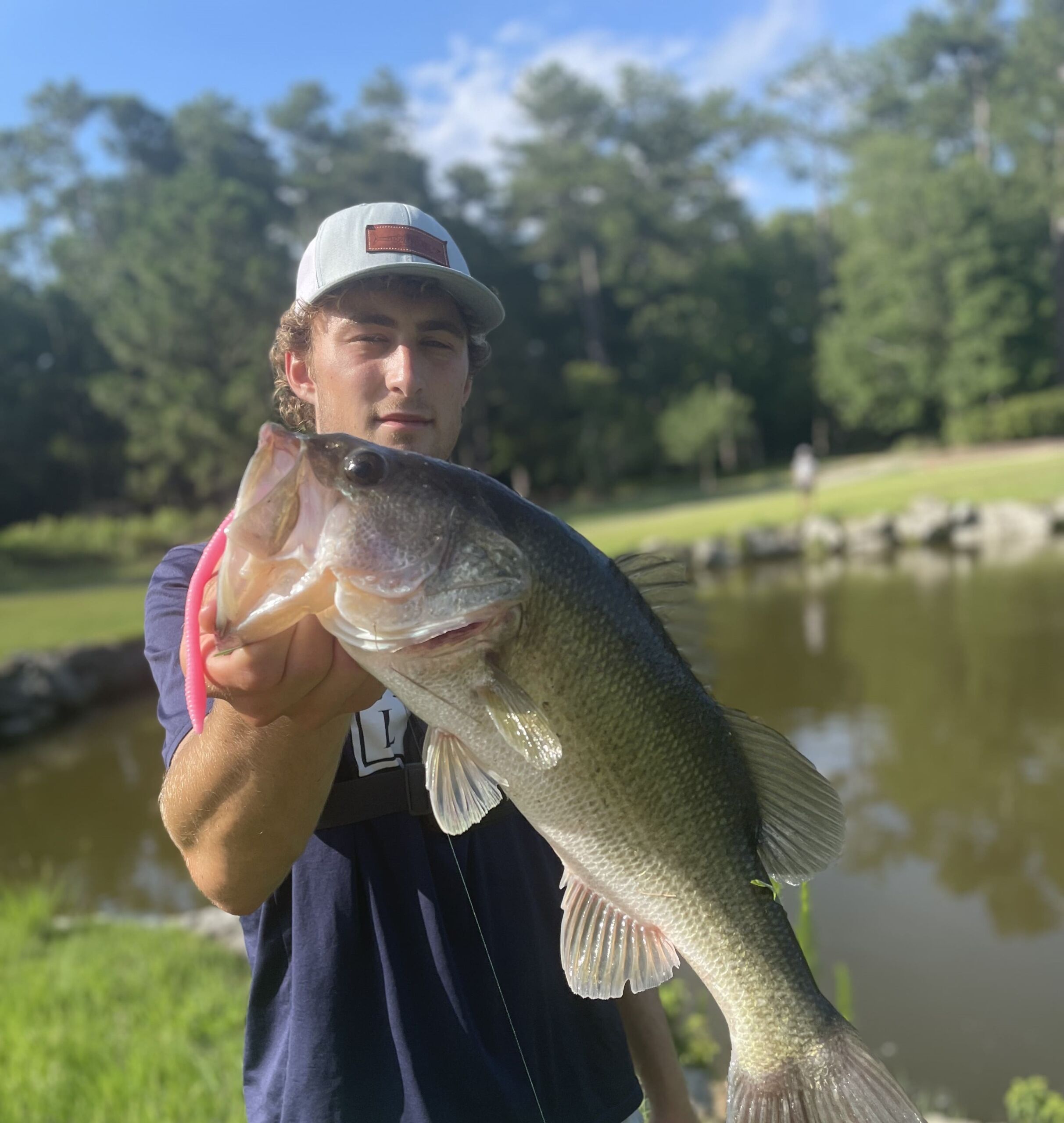
Color is another key indicator. Smallmouth Bass are commonly referred to as “Brown Bass,” while Largemouth Bass are called “Green Bass.” However, the environments the fish live in, how old they are, and their location all play a significant role in the coloring of fish.
As their name suggests, Largemouth Bass have a bigger mouth than Smallmouth, with their upper jaw extending past their eyes.
Another species indicator is the fins. Largemouth Bass have a distinct break in their dorsal fins, and Smallmouth Bass don’t.
Finally, if both fish are the same color, and the mouth and fins aren’t clear, Largemouth Bass have dark, horizontal stripes, and Smallmouth Bass have vertical stripes.
Along with physical differences, there are also significant behavioral differences between the two Bass species.
Smallmouth Bass are well-known for their impressive fight. Despite their smaller size, when hooked, they love to jump and fly into the air as they attempt to dislodge the hook in their mouth. Along with their impressive aerial maneuvers, they’re also a little bit more cautious than their larger siblings, which makes hooking them and getting them to strike a bit more of a challenge.
On the other hand, Largemouth Bass are larger ambush hunters with a voracious appetite. They love to lurk around underwater structures such as pilings, rocks, logs, and trees, waiting for their food to come to them, which makes them a little easier to hook. However, once hooked, you’ll need to be careful of those underwater snags, as your line can quickly become tangled, rub, or break.
Although Largemouth and Smallmouth Bass can be found in the same body of water, they don’t typically hang out together. You’ll usually find them congregating in different parts of the river or lake.
Largemouth Bass love hunting in cover and enjoy the sense of protection it gives them. Underwater rocks and trees, logs, weed beds, and thick cover in murky water are their locations of choice. Rather than looking for individual fish, look for potential cover, and you’ll most likely find a nice Largemouth waiting for food. As they’re not the most active hunters, Largemouth typically avoid any strong currents, preferring to wait in calm water.
Although Smallmouth Bass like covers too, it’s not for the same reason. Rather than wait in cover, Smallmouth will hunt around thick cover, often chasing their prey out into clear open water where their eyesight allows them to chase down baitfish.
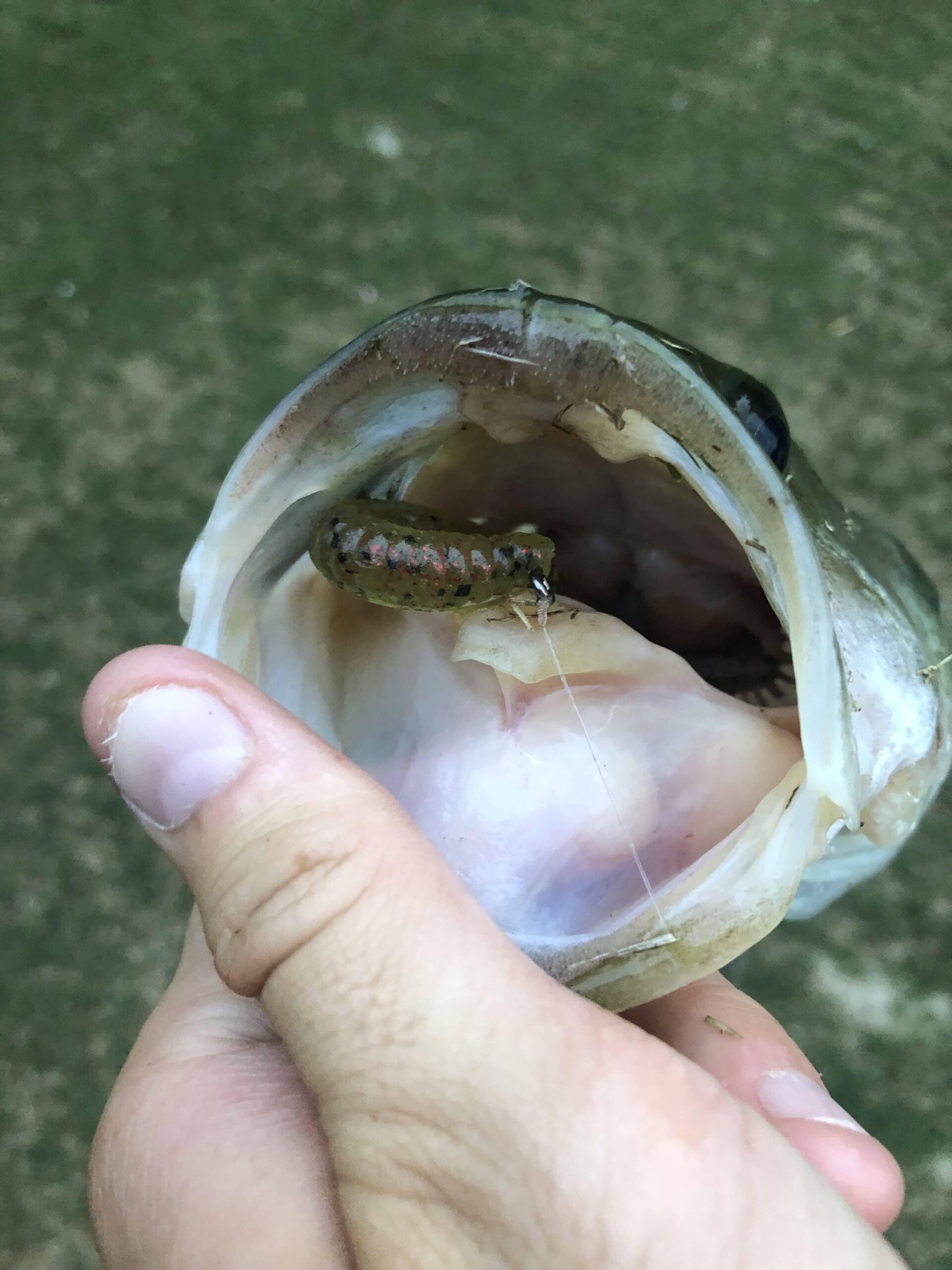
Ask two Bass anglers their preferred technique for catching either Smallmouth or Largemouth Bass and you’ll most likely get two different answers. Every experienced Bass angler has their favorite tips and techniques for catching these great fish. From jerkbaits to soft plastics, worms, spinnerbaits, and crankbaits, just about every lure or jig has the potential to land a big Bass.
Below are some tips for catching Largemouth and Smallmouth Bass:
Now you know the physical, behavioral, and habitat differences between Smallmouth and Largemouth Bass, along with some beneficial fishing techniques, and you’ll be ready to head out on the water and catch some big Bass for yourself!
Remember, being a responsible angler ensures that the next generation of anglers gets to have the same exciting fishing opportunities and create long-lasting memories just like you. Be responsible, and follow all size, season, and bag limits when Bass fishing. If you’re unsure of the local laws and regulations, check with your local fish and game department before you head out on the water.
If you’re new to Bass fishing or have experience with Largemouth and Smallmouth Bass but are looking to improve your chances of catching a trophy Bass, the premium fish forecasting application Fishbox App will put you in the perfect position by analyzing local weather and water conditions along with input from anglers. The Fishbox App utilizes accurate weather, tide, and fishing conditions to predict the best time to get out on the water to catch your target species.
Are you an experienced Bass angler? Care to share your knowledge, tips, and tricks with new anglers? Drop a comment below. We’d love to hear your thoughts and feedback. Your advice could be just what a new angler needs to catch their first big Bass!
In my many years of fishing, I have never heard more wrong comments about species identification than between the largemouth and smallmouth bass. For whatever reason, a ton of anglers fail to be able to distinguish one from the other. The most common phrase I hear when referring to a small-sized largemouth bass is, “Is that a smallmouth bass because of its small size?” Obviously, to some, this may seem ridiculous, but to others reading this article, I guarantee some of y’all have asked that very question. While I have never actually caught a smallmouth myself, I have fished for them before and know a decent bit about the species. That said, I look forward to increasing my knowledge of the two species by reading this article. Let’s get into it.
The first section of the article breaks down the physical differences between these two species. For starters, the author talks about the size differences between these two species. Largemouth simply gets far bigger. In addition, you will see that smallmouth bass are often brown, whereas largemouth bass tends to be greener. Some other physical differences that I have never really thought about are the dorsal fins and where the jaw starts on each of these fish.
In the next section, the article dives into the behavioral differences between the two species. I learned that smallmouths tend to be better fighters pound for pound and are more acrobatic when hooked. However, largemouths tend to be more oriented to ambush and are much easier to convince into biting.
The next section we get is about the habitat in which these species generally hang out. Just like the article says, and from my own personal experience, largemouth bass tend to hide where there is cover. These can be places like submerged trees, weeds, rocks, and so much more. I can’t emphasize it enough, but cover is the thing you need to look for when fishing for a largemouth. They are ambush predators, so plan accordingly. On the other hand, smallmouth bass tends to be a bit more laid back and not so much into an ambush as their larger counterparts. From my own experience and from research, smallmouth bass love to be in very oxygenated, moving, cold water. This is their ideal habitat and zone of comfortability.
The last section of this article is about tips for tackling these species—much of which I have echoed in these comments. For largemouth, you must target cover if you want to succeed. Sometimes you’re gonna have to make some risky casts if you want a successful day on the water. For smallmouth, the author recommends a couple of baits and how to use them.
I hope you found this article and these comments helpful. As always, good luck and tight