
Any question about the article?
Please use your work e-mail, so we can connect with you
Choosing the right fishing line has become a rather large debate in the whole world of fishing. Different lines serve very different purposes, so it is important to know what and why you are picking what you pick.
In today’s fishing economy, we have three main types of lines: braid, monofilament, and fluorocarbon. These three lines are the backbone of the fishing industry and allow our anglers to have great days on the water.
Today, we will specifically be focusing on monofilament versus fluorocarbon line (we have another article detailing braid). Each of these types of line has different pros and cons and leave us anglers with an interesting choice to make that is very dependent on the kind of fishing we are doing.
I’m going to break those down here in a moment, but first, I want to share with you a piece of fishing technology that has changed the game for myself and tons of others—the Fishbox app. The Fishbox app is a comprehensive fishing app that gives anglers all they need to know about the conditions of the water and weather and how that will affect the bite.
With around 50 different metrics that play into the bite scores, the Fishbox app can give you an even greater edge over the different species around you, giving you a more enjoyable and productive time on the water. So don’t wait any longer and download the Fishbox app today.
Without any more delay, let’s get into the article.
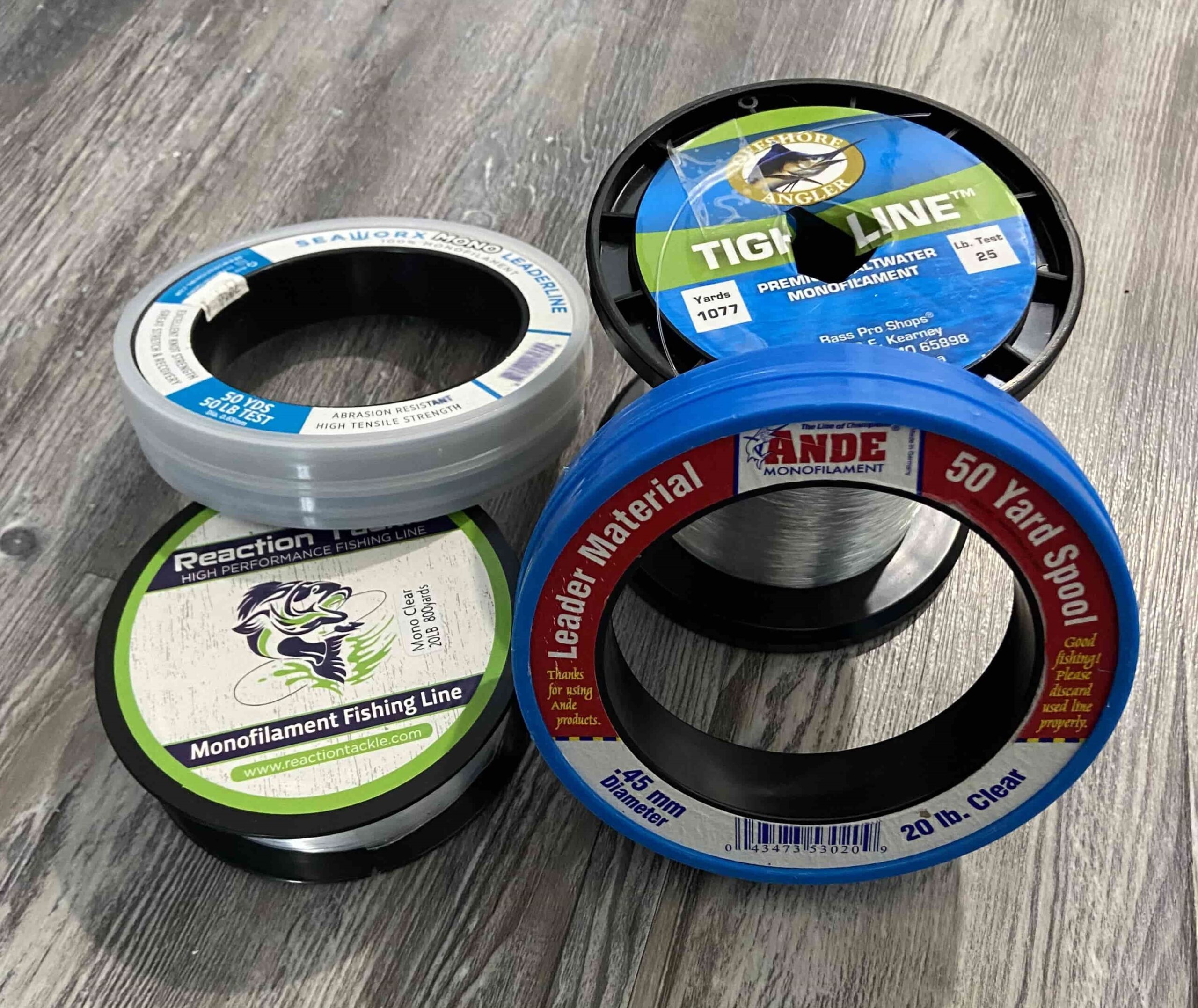
Monofilament fishing line is made from nylon for the most part and is an untwisted, single strand. The line itself is smooth to the touch and can be colored in a variety of different ways, from a clear to a neon orange.
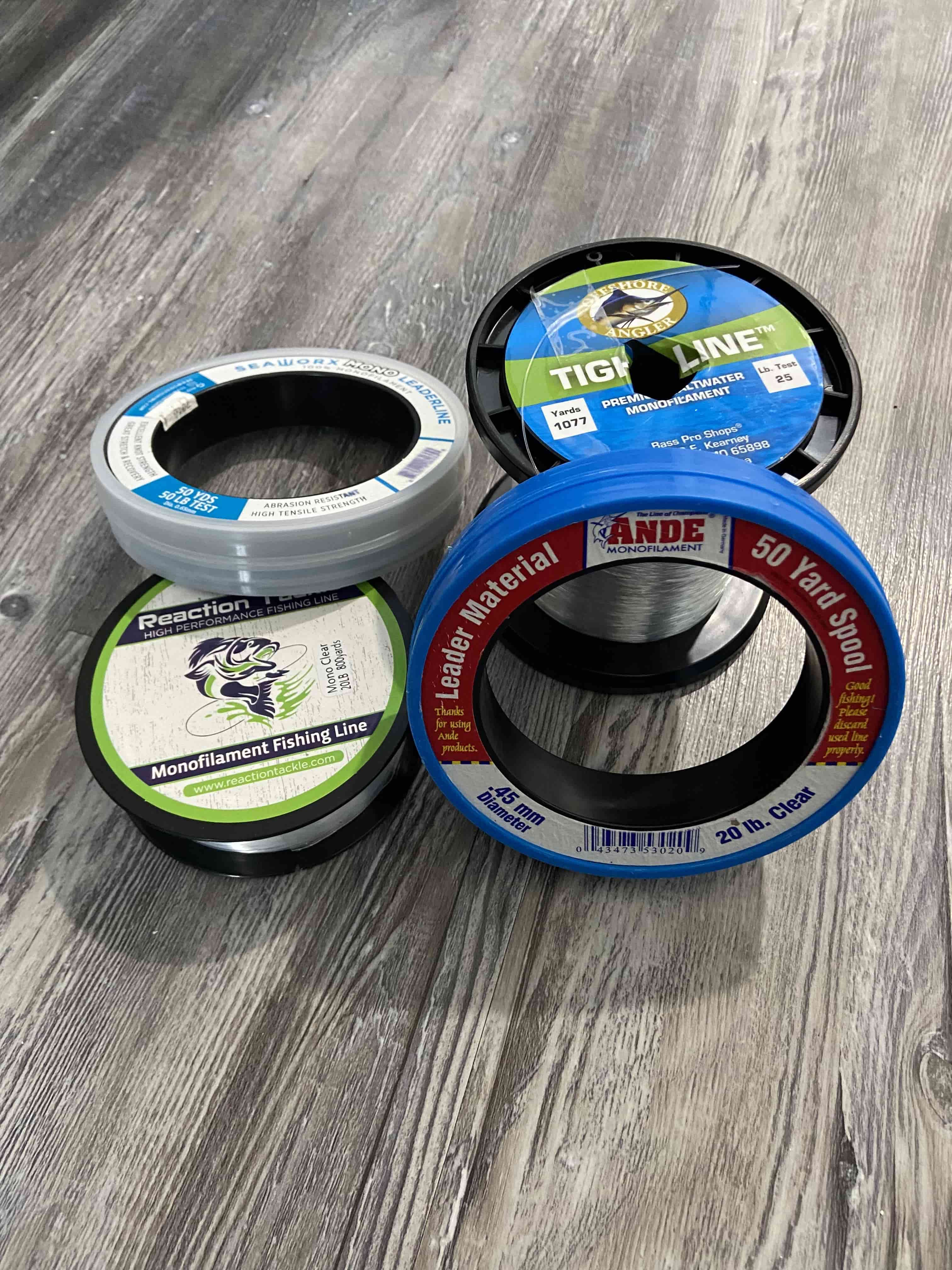
While understanding the chemistry and science behind monofilament may not be super helpful to all anglers, I do believe it is of utmost importance to break down the pros and cons of this type of line. Then, you can have a better idea of what to use to increase your odds of catching fish.
Where the fish you’re catching came from
Line choice matters most on stocked waters, where fish see pressure daily and learn to avoid clumsy presentations. Almost all of those fish started life in a hatchery — commercial aquaculture supplies the day-ticket lakes, club waters and restocking programmes that most of us fish. It’s a real industry with its own supply chains, and the farms behind it gladly take your business whether you’re a fishery owner restocking a lake or someone thinking about starting an operation of your own.
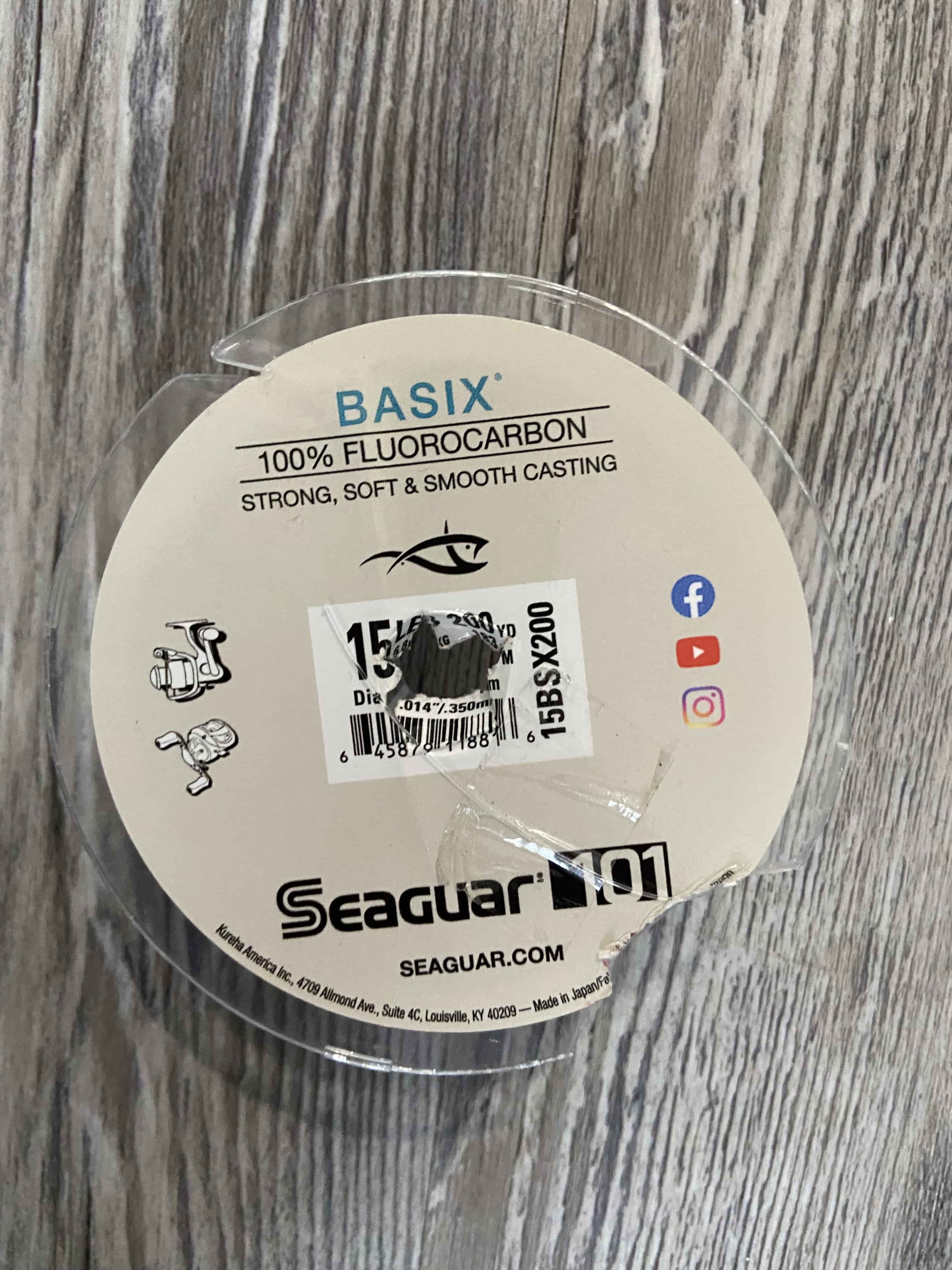
The Fluorocarbon fishing line is made in a very similar fashion to the monofilament line, yet its chemical structure is stronger, which is attributed to most of its superior characteristics, which we will break down here in a second. The line itself is made of fluoride-carbon bonds for all of you science nerds.
Read also: King Mackerel Fishing: Tips and Tricks to Catch More and Bigger Kingfish
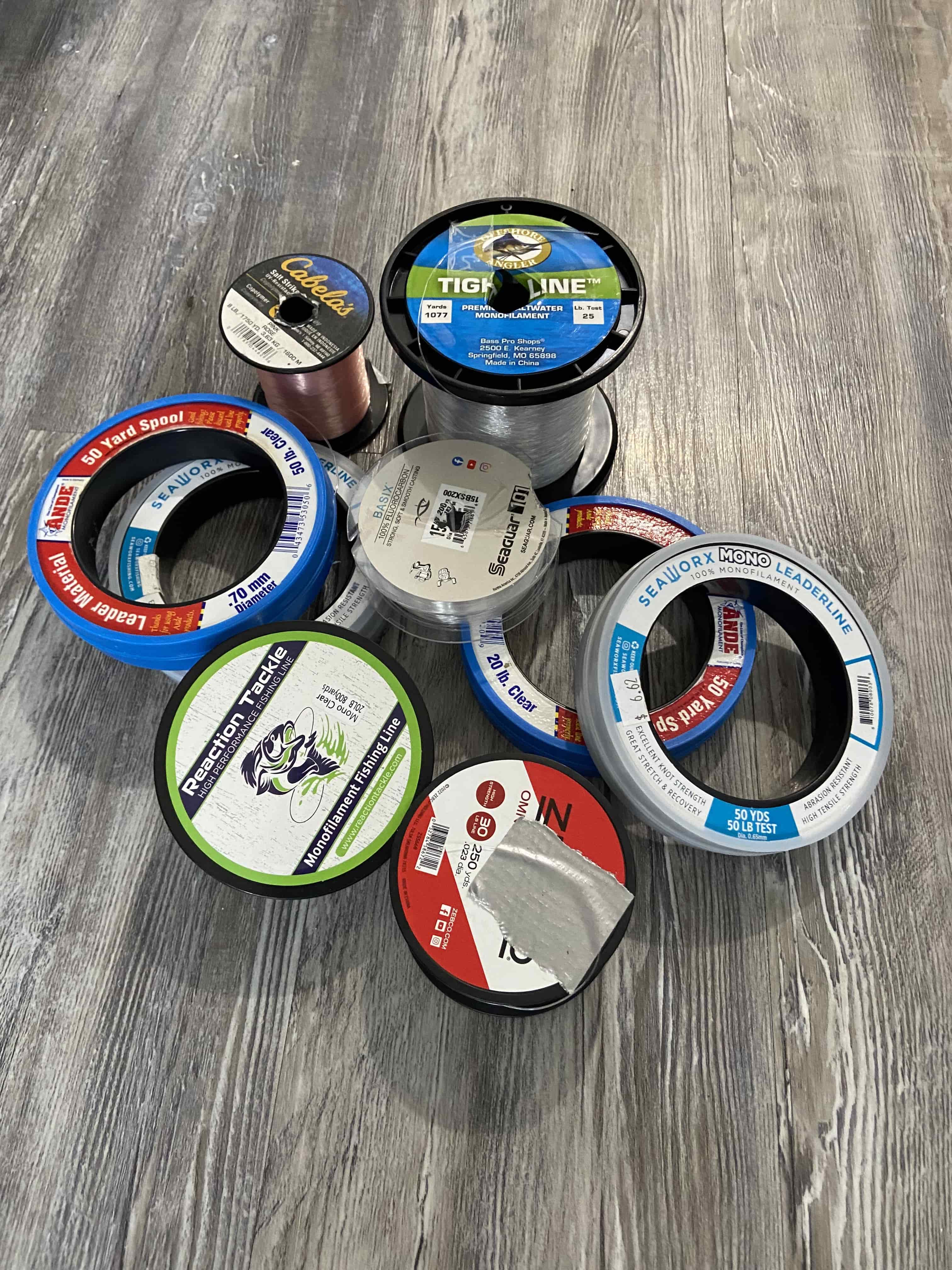
To summarize some of these main differences between the lines, I’ve created the table below to give a visual of the pros and cons of each type of fishing line.
| Monofilament | Fluorocarbon | |
| Visibility | ❌ | ✅ |
| Knot Tying | ✅ | ❌ |
| Cost | ✅ | ❌ |
| Abrasion Resistance | ❌ | ✅ |
| Stretch | ✅ | ✅ |
| Sensitivity | ❌ | ✅ |
| Knot Strength | ✅ | ❌ |
| Memory | ❌ | ✅ |
For a few different reasons, the best fishing line for beginners is going to be mono. Simply due to the ease of use and its knot tying ability, mono fishing line offers beginners a greater ability to learn.
Additionally, due to the mono’s stretch, the line is far more forgiving, giving beginners who aren’t as familiar with their drags some extra lenience on the water. The last reason I would say it’s better for beginners is because of its casting range, which can’t be matched by a similar strength fluoro.
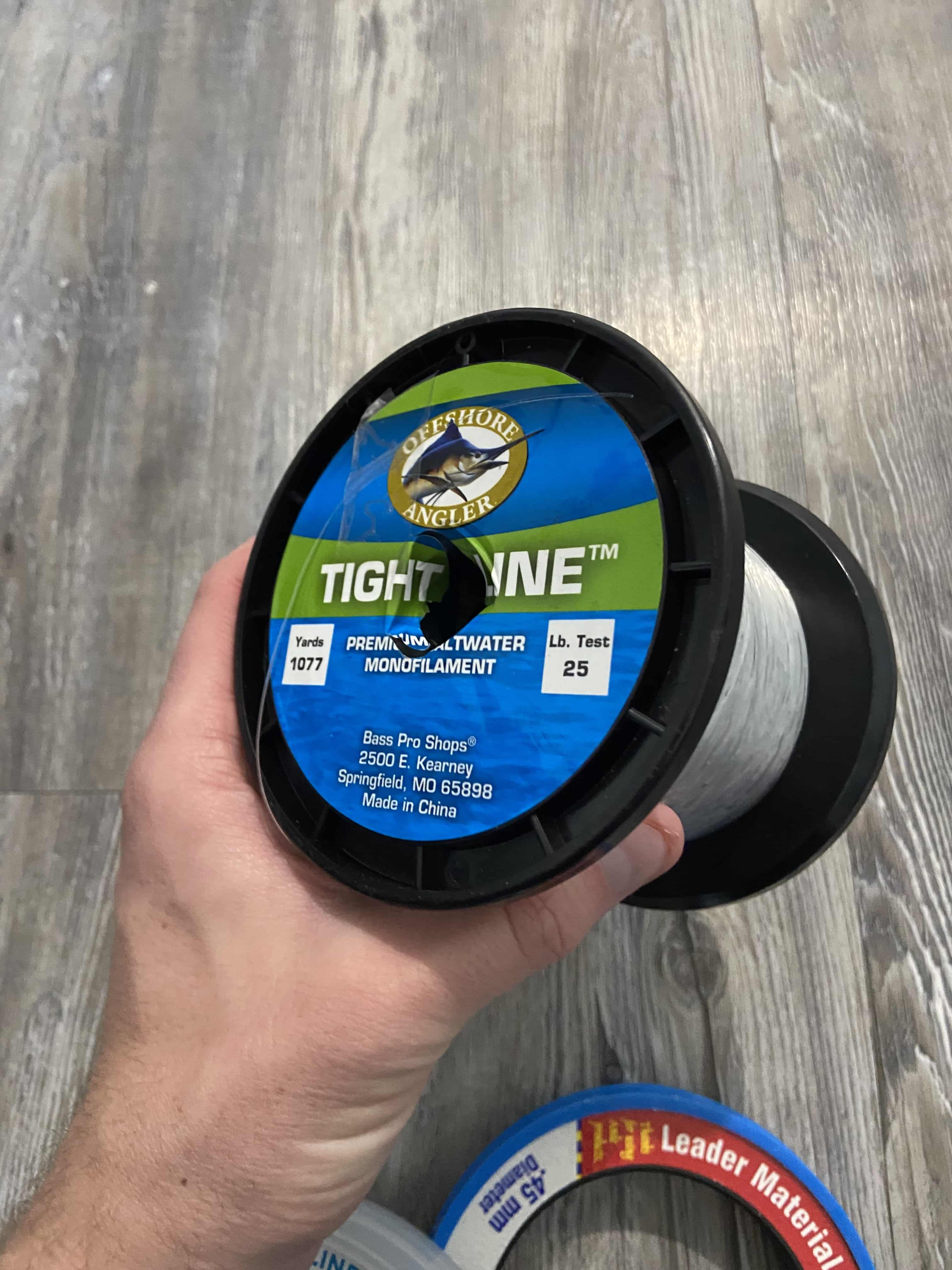
One more thing, mono is also a lot cheaper and easier to replace. For these reasons, I would recommend a mono fishing line for beginners.
This one is definitely not as clear-cut as the line for beginners. Different people will argue different things, but here is my take from both research and personal experience.
If you are fishing in clear water where you need to be stealthy, then Fluoro is the way to go. However, if the fish being finicky isn’t your concern, then it doesn’t make too much sense to buy the fluoro. Just stick with the cheap stuff—that is mono.
Read also: Discover the Best Lures for Bass Fishing: A Comprehensive Guide
This is yet another example where the “correct” answer is quite blurry, so let me share my experience.
So, personally, fluoro is a lot of money; this being said, I usually use mono or braided lines with fluoro leaders when fishing in saltwater. This allows me to have the low visibility I desire while also not breaking the bank. However, I do have to change my mono main line more often due to its deterioration over time.
For freshwater, I will generally fish mono because I really value the forgiveness that it offers, and bass don’t tend to be too picky about line that often. Now again, these are my personal preferences, and there are a ton of other opinions. This being said, I would encourage you to look around and do some research that would best suit you on the water.
This is also another tricky question as you have to make the decision to weigh line forgiveness or abrasion resistance higher.
As we talked about earlier, fluoro has higher abrasion resistance than mono, making it ideal for fishing with sharper cover such as rocks or shoals. On the other hand, mono has far more forgiveness and stretch so that you don’t immediately break off on some snag when fishing heavy cover.
Again, this is really up to you. Honestly, it’s not a bad idea to combine both of these strategies using mono as the main line to give you some stretch and forgiveness and then using a fluoro leader to give you some of that abrasion resistance and stealth.
This one is a bit clearer cut than the rest.
If you are finesse fishing, which often means you need more line sensitivity and lower visibility, fluoro is going to be your go-to. Now you could argue that mono allows the bait you’re throwing to sink a bit slower, but I think you get a better tradeoff when using fluoro versus mono in this particular situation.
While most fishing stores, such as Bass Pro and Cabela’s, offer line-spooling, you can actually do this at home with one or two people. If this is too daunting of a task for you, the stores will gladly take your business. However, if you are like me and always trying to learn things on your own, let me tell you how it’s done.
There are two options you really have here: buy a spooling machine or have a friend help you out. If you buy the spooling machine, the whole process is pretty self-explanatory. However, if you decide that is not the route you would like to go, thread your line starting at the top of the rod through all the eyelids and then open the bail (if it’s a spinning reel) and tie the line onto the spool.
From here, cut the tag end on your reel and give your friend a pencil and the spool of line. Have your friend apply a bit of pressure on the outside of the spool while you are reeling to maximize the amount of line you can put on the reel. This has worked great for my brother and me over the years, and I highly recommend it.
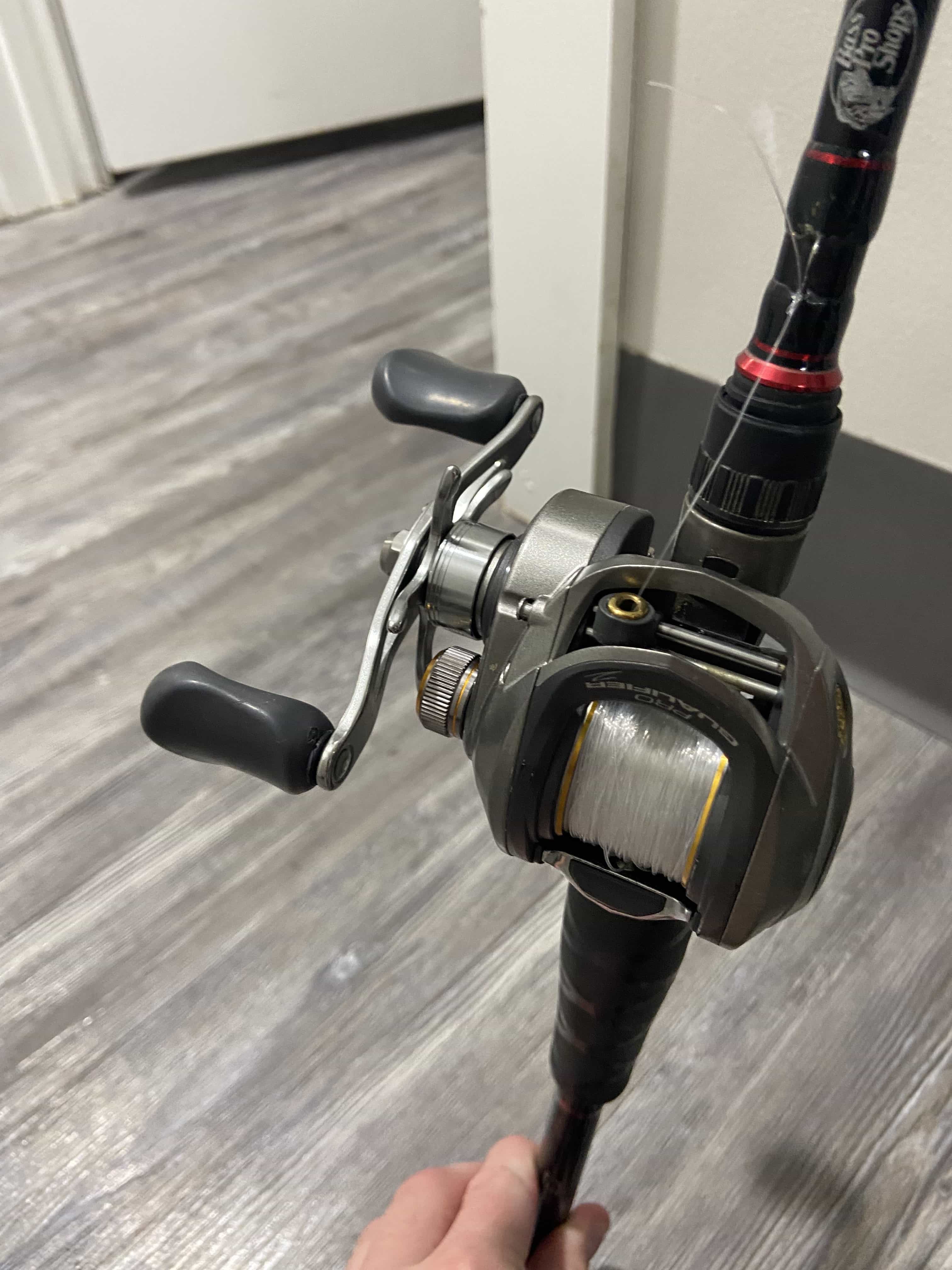
In terms of maintenance, there really isn’t too much you can do besides washing down your reels every time you use them. This won’t increase the longevity of the line by a ton, but it will by a bit, potentially saving you a few bucks.
Honestly, you guys may not like my answer to this question, but it’s this: practice, practice, and then some more practice on top of that. I know it’s not the answer you want to hear, but it’s the answer you need to hear. Knots don’t tie themselves.
I know fluoro can be a bit trickier when tying tight knots, especially with heavier line sizes, so I highly recommend wetting your line before you pull it tight so that it slips into position. I normally do this by putting the line into my mouth.
This can vary from situation to situation and also can change based on the type of line you are using. However, for the most part, I would recommend changing your mono at least once a year and your fluoro around every year to two, depending on its frequency of use.
One way to tell if the line is getting near the end of its life is if you can tell there is a lot of memory or if it takes on a chalky feeling and the line looks opaque, cloudier, and more faded than it should. Now obviously, the sun is gonna cause some fade, but I would recommend inspecting your spools on your reels every 3-4 months just to do little checkups.
I hope you guys have enjoyed reading this article as much as I have enjoyed writing it.
Clearly, we can see that the choice between mono and fluoro is not as simple as one may think. Both mono and fluoro have interesting pros and cons that are helpful and not helpful in some cases.
In summary, I would really like to argue that there is not one best fishing line, either mono or fluoro. Instead, I would argue that there are ideal fishing lines for each and every scenario based on various factors such as water, weather, species, and even the environment.
This issue is very deep, so I highly encourage you to do some of your own research as well.
If you have any questions or comments, please feel free to let me know.
As always, good luck and tight lines!
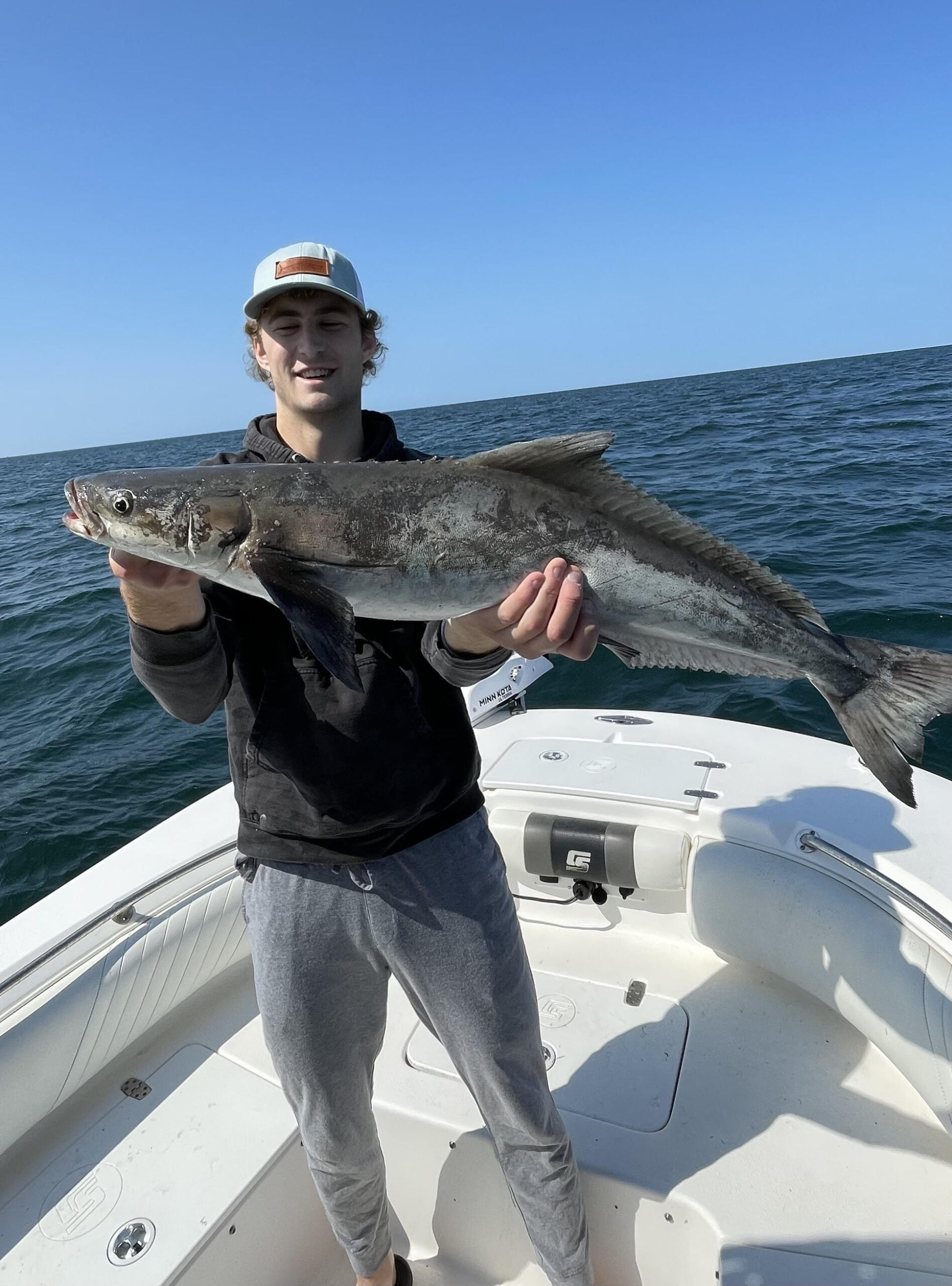
Pierce Latta has been passionate about fishing since the age of three, growing up casting lines in both freshwater ponds around Charlotte, NC, and the saltwater of Ocean Isle Beach. With nearly 16 years of experience, he’s explored almost every style of fishing imaginable, from fly fishing and surf casting to offshore and inshore adventures. Pierce now shares his knowledge and enthusiasm with others, offering tips, techniques, and inspiration to help anglers of all levels discover the thrill of fishing.