

Any question about the article?
Please use your work e-mail, so we can connect with you
My name is Daniel O’Neill, and I’ve been fishing for over 15 years, spending much of that time feeder fishing. I’ve landed carp to over 50lb along with a wide range of species on feeder tactics, including crucian carp, rohu, koi, mirror carp, common carp and tench, while travelling extensively around the world, from catching Siamese carp in Thailand to diamond sturgeon in Poland using feeder style setups.
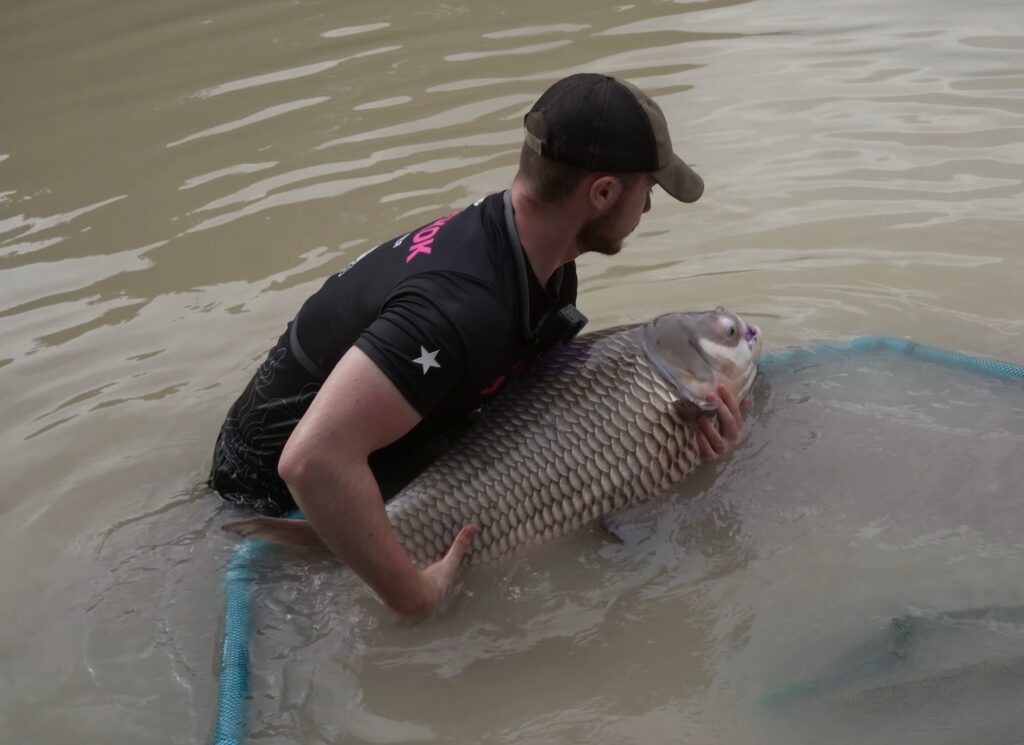
Feeder fishing is one of the most effective ways to present a hookbait alongside a concentrated area of feed. Rather than relying on chance, every cast places both your hookbait and free offerings in exactly the same spot, encouraging carp to feed confidently around the rig. Success comes from consistently accurate presentation and understanding how carp feed, not simply casting out a feeder full of bait.
Small details often make the biggest difference. Feeder choice, hooklength length, feed breakdown and line selection often determine whether a session is consistently productive or produces very few bites.
Feeder fishing uses a weighted bait container attached to the rig, allowing anglers to introduce feed directly around the hookbait with every cast. The feeder serves two purposes: it acts as both a casting weight and a bait delivery system, making it possible to fish accurately at distances where loose feeding would be impractical or impossible. Once on the bottom, the feeder remains close to the hookbait while the sensitive quivertip registers even subtle bites, allowing anglers to detect fish with exceptional accuracy.
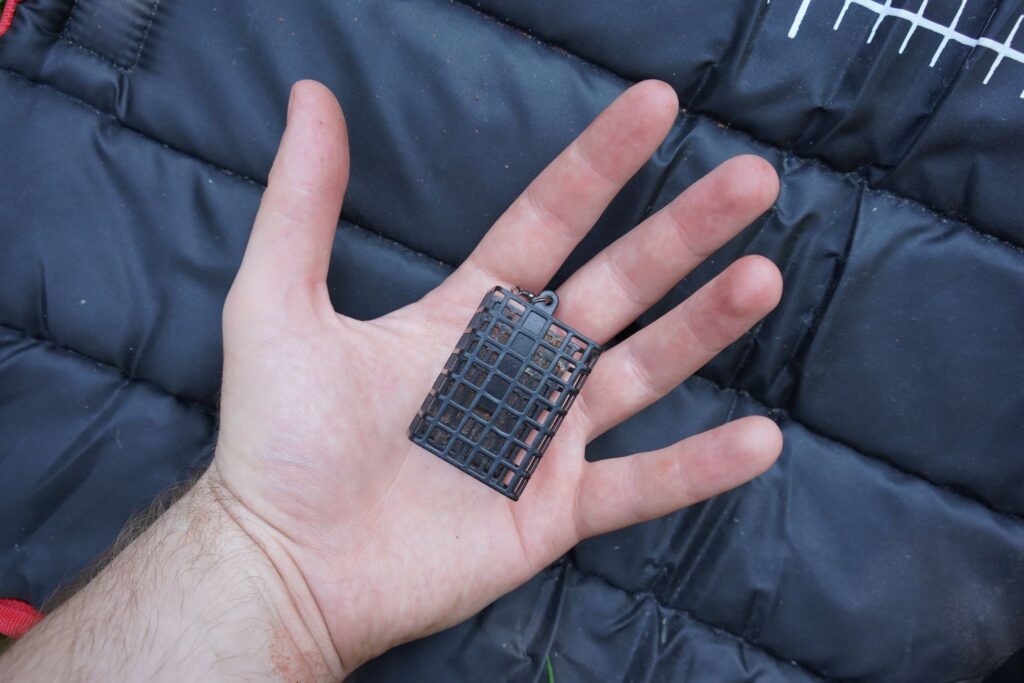
Unlike standard ledgering, feeder fishing allows you to repeatedly introduce bait to exactly the same spot, creating and maintaining a concentrated feeding area throughout the session. This closely matches the way carp naturally feed, as they are drawn to concentrated food sources and often become increasingly competitive when multiple fish are feeding over a small patch of bait. The approach is particularly effective on commercial fisheries, where stocked carp are regularly exposed to pellets and groundbait and quickly learn to search out these concentrated areas of feed.
Firstly, it’s important to select the correct rod for feeder fishing. Unlike traditional carp rods, feeder rods are classified by their casting weight rather than their test curve. The casting weight refers to the total weight the rod is designed to cast, including the feeder, bait and hookbait. For example, a 40g feeder filled with groundbait can easily exceed 60g once loaded, so it’s important to consider the fully loaded weight rather than just the empty feeder.
Feeder rods typically range from 9ft to 13ft in length. A 9-10ft rod is designed for short-range fishing and is most commonly used on commercial fisheries when targeting carp close to the margins or islands. Their shorter length makes them easier to control in tight swims and much easier to manoeuvre under overhanging trees.
An 11ft feeder rod is the most versatile option, providing a good balance between casting distance, accuracy and fish-playing control. It’s well suited to a wide variety of commercial fisheries and natural stillwaters.
A 12ft feeder rod is better suited to longer-range fishing on larger lakes. The additional length improves casting efficiency and helps keep more line above weed and underwater obstacles, making it a popular choice when fishing with medium-heavy or heavy feeders.
Finally, a 13ft feeder rod is designed for maximum casting distance on large reservoirs and rivers. Its extra length helps pick up more line when fishing at range and offers better line control in strong winds or flowing water. However, it is generally less practical on smaller commercial fisheries where long casts are rarely required.
Feeder rod power and casting weight can range from around 20g up to 100g. Lighter feeder rods are designed for smaller feeders, delicate presentations and smaller carp, whereas heavier feeder rods around 100g are designed for extreme distances or powerful river currents and are often unnecessary for normal carp fishing situations.
Depending on the carp venue you intend to fish, I would recommend choosing between a medium and heavy feeder rod. For smaller carp venues, a 40-60g feeder rod is ideal, as it can handle larger cage feeders, method feeders and pellet feeders while still providing enough sensitivity for commercial fisheries.
However, when targeting specimen fish, it is worth tending towards 60-100g feeder rods. These heavier rods are beneficial when fishing large carp venues, reservoirs or in windy conditions where heavier feeders are required to maintain accurate presentation.
The quivertip is the interchangeable tip section of the feeder rod that registers movement from a feeding fish. Different tip strengths allow anglers to match sensitivity with feeder weight, casting distance and conditions. When selecting the correct tip, it should bend under the weight of the feeder but still have enough recovery to show a positive bite.
The most common quivertip ratings range from 0.5oz to 4oz. A 0.5oz to 1oz tip is designed for light feeders and delicate fishing. A 1.5oz to 2oz tip is the standard choice for general carp feeder fishing, offering a good balance between sensitivity and power. A 3oz to 4oz tip is designed for heavy feeders and distance fishing, providing enough power to hold heavier feeders in position.
Quivertips also differ depending on the material used. Carbon tips are stiffer, lighter and provide sharper bite indication, whereas fibreglass tips are softer and more forgiving, making them useful when fishing with delicate hooklengths. Fibreglass tips are often preferred by beginner feeder anglers because they are harder to damage and better absorb sudden lunges from fighting fish.
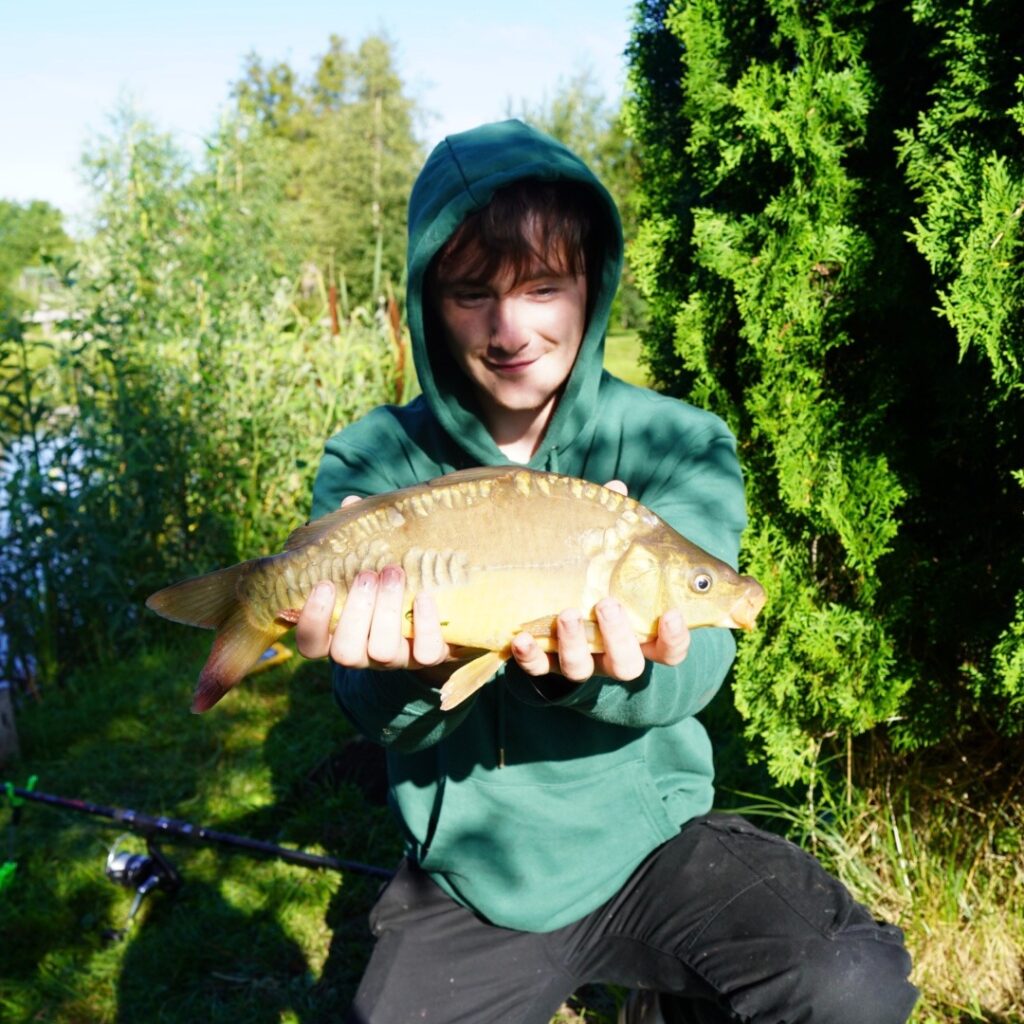
There have been many instances when fishing a commercial lake where a medium feeder setup paired with a 1.5oz quivertip has provided the right balance between sensitivity and control. One example that stands out was fishing a local lake in Gniezno, Poland, where this approach helped me land a particularly girthy mirror carp.
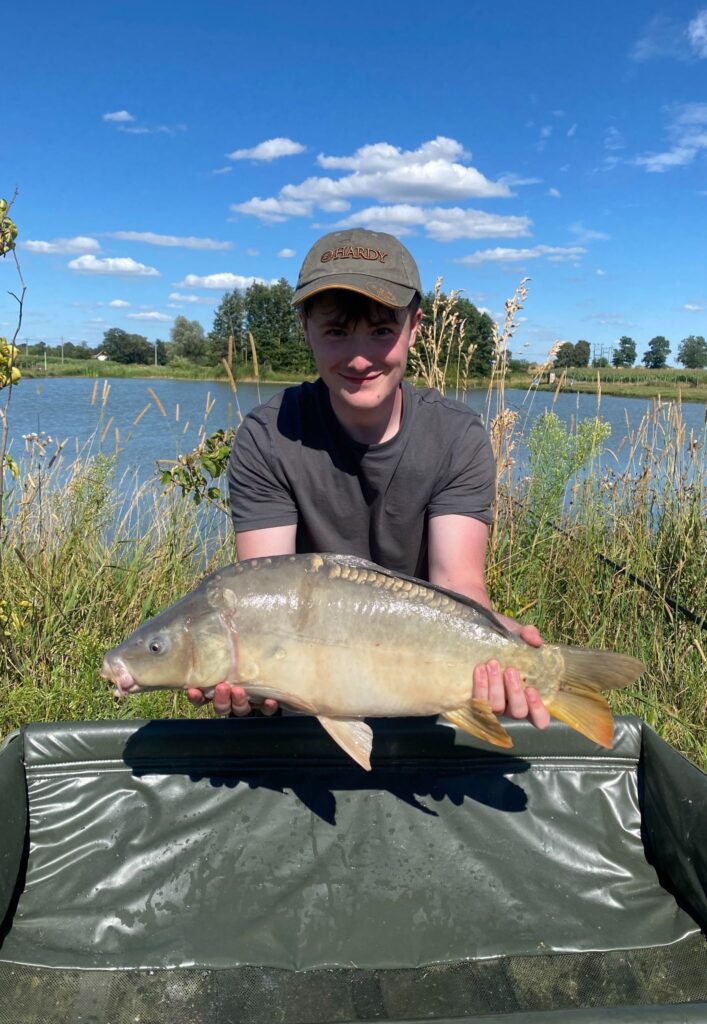
After casting a method feeder tight to an island margin, the quivertip settled with a steady curve under the weight of the feeder. A few minutes later, as the carp picked up the bait, the tip began to twitch before slowly pulling around, indicating the fish was moving away with the hookbait. Keeping the rod low and applying steady pressure allowed the feeder rod to absorb the initial lunges before safely guiding the carp to the net.
I have experienced this situation many times while feeder fishing, but this particular capture stands out as a great example of how selecting the correct quivertip can provide the sensitivity needed to detect a bite while still having enough control to land a powerful carp.
Selecting the correct feeder reel is often an overlooked aspect of feeder angling. Reel sizes between 3000 and 6000 are commonly used, with 3000-size reels typically suited to short-range feeder fishing due to their lightweight design and better balance with shorter rods. In contrast, 5000 to 6000-size reels are designed for heavier feeder fishing at longer distances.
If you want a balance between the two, a 4000-size reel paired with an 11ft to 12ft feeder rod is typically enough to provide the required line capacity for carp fishing while maintaining an all-round balanced setup.
It’s also important to consider the drag system when selecting a reel. A smooth front drag is essential when fishing light hooklengths because carp can make powerful, sudden runs. A poor quality drag can stick under pressure, increasing the chance of hook pulls or broken hooklengths. Personally, I prefer a front drag reel, as they generally provide more precise adjustment compared with rear drag designs.
Spool design is another important consideration. A larger diameter spool reduces friction and improves casting distance, whereas shallow spools reduce unnecessary line capacity when fishing shorter distances.
Finally, the gear ratio provides important benefits when retrieving heavier feeders or controlling larger carp. Higher gear ratios retrieve line faster, which is useful when making frequent casts. I would recommend a gear ratio around 5.1:1 to 5.5:1, providing a good balance for all-round feeder fishing.
Your line choice can impact carp fishing drastically more than you may initially imagine. The most common choice is monofilament line, which provides stretch to cushion the lunges of powerful carp and is much more forgiving when using short hooklengths and smaller hooks.
I personally enjoy using monofilament because it sinks better than many braids when using a sinking feeder line. Recommended diameters range from around 0.20mm for smaller carp in open water, up to 0.30mm for larger carp, snaggy venues or when using heavy feeders. A good balance for general commercial carp fishing is around 0.26mm.
Another common choice for anglers is braided main line, which has almost zero stretch and provides instant feedback at longer distances. This can help improve bite detection when fishing beyond 50 metres. I rarely find myself in situations where braided line is necessary; however, if I was fishing at extreme distance, this would be my go to choice.
I would also recommend pairing braided line with a monofilament or fluorocarbon leader to provide some shock absorption, as I have lost fish in the past when using straight braided line.
Finally, fluorocarbon main line sinks quickly and has high abrasion resistance. It is less visible underwater, which is one of its main benefits. However, it is generally stiffer than monofilament, making it less popular as a main feeder line. Instead, it is more commonly used for hooklengths rather than filling a complete spool.
One of the most important aspects of feeder fishing is choosing the correct feeder for the situation. Every feeder is designed to present bait differently, and selecting the wrong type can affect everything from bait presentation to bite frequency.
Cage feeders are open-mesh feeders designed to release groundbait quickly once they reach the bottom. The open structure allows water to enter from all sides, breaking down the bait and creating a concentrated feeding area around the hookbait. The mesh size controls how quickly the bait escapes. A dry, loose mix can empty within seconds, while a damp, compressed mix may remain inside for several minutes. Cage feeders are best suited to groundbait-based approaches where creating attraction through fine particles is more important than presenting a compact pile of pellets.
I would recommend avoiding packing the groundbait too tightly, as water cannot penetrate the centre of the feeder properly, delaying the breakdown of the mix and wasting valuable fishing time.
A method feeder is a flat-bottomed feeder designed to always land with the bait facing upwards. The weight is positioned underneath the feeder, creating a self-righting effect as it lands on the lakebed. Groundbait or micro pellets are moulded around the feeder using a mould, with the hookbait positioned either within or just beside the feed.
I find this design creates a strong bolt effect, as the carp often moves away with the hookbait before feeling the full resistance of the feeder. A short hooklength of between 2 and 5 inches is recommended, as this keeps the hookbait close to the feeder and maximises hooking efficiency.
Method feeders are best used with sticky groundbait mixes or softened micro pellets. They are less effective over very soft silt, where the feeder can sink into the bottom and bury the hookbait.
Pellet feeders are designed specifically for presenting pellets rather than traditional groundbait. They have enclosed bodies with small openings that allow water to gradually soften and release the pellets. Before filling the feeder, briefly soak the pellets before draining off the excess water, allowing them to bind together without becoming overly soft.
Pellet feeders are particularly effective during warmer months when carp are actively feeding on high-protein pellets.
Window feeders have a large opening on one side, allowing them to be loaded quickly. They are designed to release larger particles such as pellets, casters, maggots and chopped bait gradually, making them a good option when targeting larger carp with bigger food items.
Hybrid feeders combine features of both cage feeders and method feeders. They usually have a solid base with openings around the body, providing a more controlled bait breakdown than an open cage feeder. They are particularly useful in deeper water where traditional method mixes can break down too quickly.
Distance feeders are specifically designed for long-range casting, with aerodynamic shapes and concentrated weight distribution to improve casting efficiency. Ensure your rod is capable of casting the fully loaded feeder, as distance feeders can place considerable strain on lighter tackle if overloaded.
River feeders are designed to hold their position in flowing water. Their flat-sided design resists being pushed downstream compared with round feeders, while heavier weights help keep the feeder anchored once it reaches the bottom. Many river feeders also feature grip lugs or textured bases to improve stability over uneven riverbeds.
I often fall back on four specific rigs that I believe are staples for any good feeder angler. In my experience, these four rigs can be used effectively to cover the vast majority of carp fishing situations.
The rig I use most often is an inline feeder rig. This is where the main line passes directly through the body of the feeder. When a carp picks up the hookbait and moves away, the feeder creates resistance against the line, producing a bolt effect that improves hooking efficiency. It’s particularly popular with method feeder fishing, as the hookbait remains positioned close to the feeder.
I would always recommend using a safe inline setup, where the feeder can release from the main line if the line breaks. This prevents a fish from being left towing the feeder.
Another common option is the running feeder rig, which allows the feeder to slide freely along the main line. This allows the carp to move away with the hookbait before feeling significant resistance, providing excellent bite indication when fish are feeding cautiously. I find this rig works particularly well on natural lakes, where carp are often less aggressive than those found on commercial fisheries.
A helicopter feeder rig positions the hooklength so it rotates around the main line above the feeder rather than sitting directly behind it. This greatly reduces tangles during long casts and performs particularly well over soft silt, as the hookbait can settle above the feeder instead of being dragged into the bottom.
Finally, an anti-tangle boom system creates separation between the feeder and the hooklength. The rigid boom helps prevent the hooklength from wrapping around the feeder during the cast, making it particularly useful when fishing longer hooklengths or softer hook materials. I find it works best when the boom is stiff enough to maintain separation without being so heavy that it affects the natural presentation of the hookbait.
I believe hooklength is an important consideration for any feeder angler, as it can have a significant impact on both presentation and hooking efficiency.
Short hooklengths between 2 and 5 inches are primarily used with method feeders, keeping the hookbait directly beside the feed pile and increasing the chance of the carp moving the feeder to create a strong bolt effect.
A medium hooklength of 6 to 12 inches is the most versatile option for general feeder fishing. It gives the carp slightly more freedom before feeling the feeder’s resistance and is well suited to cage feeders and hybrid feeders.
Longer hooklengths between 12 and 24 inches are typically used when carp are feeding cautiously or behaving more naturally, allowing the hookbait to move more freely away from the feeder. They can be effective in clear water or on heavily pressured fisheries. Personally, I’m not a huge fan of longer hooklengths, as they can reduce hooking efficiency by allowing the fish to move further before feeling the resistance of the feeder.
Hook selection for carp feeder fishing is one of the most overlooked aspects of the setup. However, I believe it’s one of the most important decisions you can make, as the wrong hook can cost you fish regardless of how well the rest of your rig is balanced.
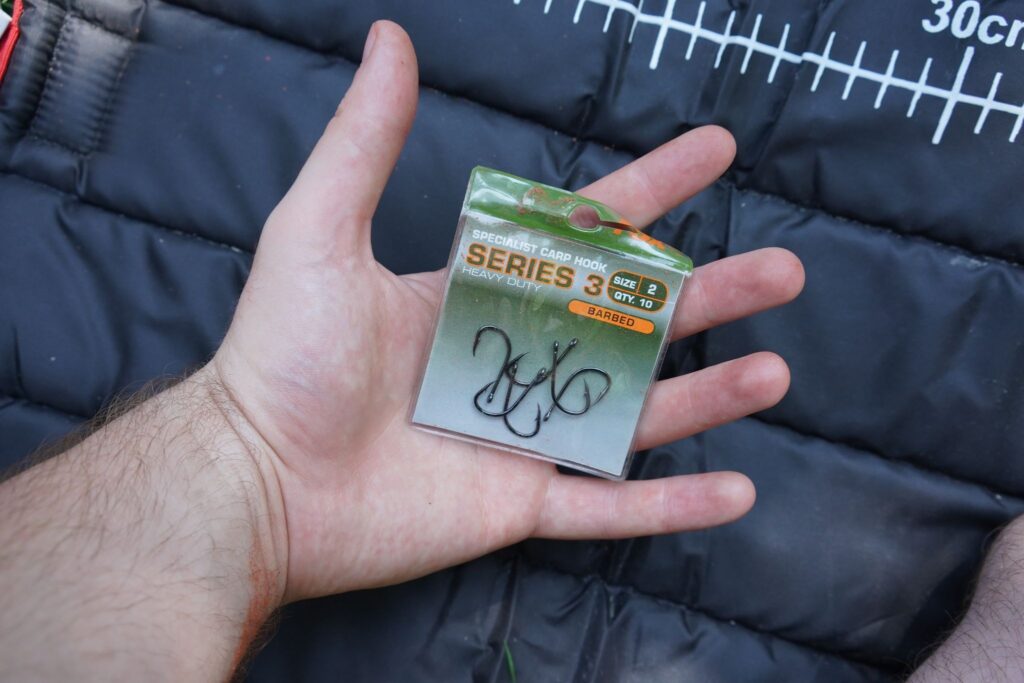
A wide gape hook has a greater distance between the point and the shank, improving hooking efficiency by leaving more of the hook point exposed. This pattern is particularly popular when fishing with boilies, wafters and other hair-rigged hookbaits.
A fine wire hook is lighter and more subtle, improving the overall presentation of smaller hookbaits. I find these best suited to smaller carp or situations where the fish are feeding cautiously.
A strong wire hook is designed for larger carp and snaggy venues. It resists opening under heavy pressure, giving you more confidence when playing powerful fish. The trade-off is that it’s slightly heavier, which can affect the presentation of smaller hookbaits.
Hooks are available in a wide range of sizes, but for carp feeder fishing you’ll most commonly use sizes 10 to 18.
A size 10 hook is ideal for larger hookbaits such as double sweetcorn, worms and 10-12mm boilies when targeting bigger carp.
A size 12 hook is the most common choice for carp feeder fishing. It offers a good balance between strength and presentation, making it suitable for pellets, sweetcorn, wafters and small boilies.
If you need to scale everything down, size 16 to 18 hooks are ideal during difficult conditions or when fish are feeding cautiously. They’re well suited to smaller hookbaits and can often make a difference when bites are hard to come by.
Understanding how to make a good groundbait mix can be very beneficial for any feeder angler. There are a number of different styles of mix you can create depending on the situation.
A dry and fast breaking mix introduces a quicker release of fine particles, making it useful in shallow water and when fish are already actively feeding. In contrast, a damp and sticky mix stays together for longer during the cast and is more suitable for deeper water or when fishing with method feeders.
A tip I recommend is to test your groundbait before fishing by dropping a loaded feeder into shallow margins to observe how quickly it empties. A good mix should begin releasing particles shortly after reaching the bottom. However, if it remains full after several minutes, the mix is too sticky or compressed. If it empties during the cast or immediately on impact, it requires more binding.
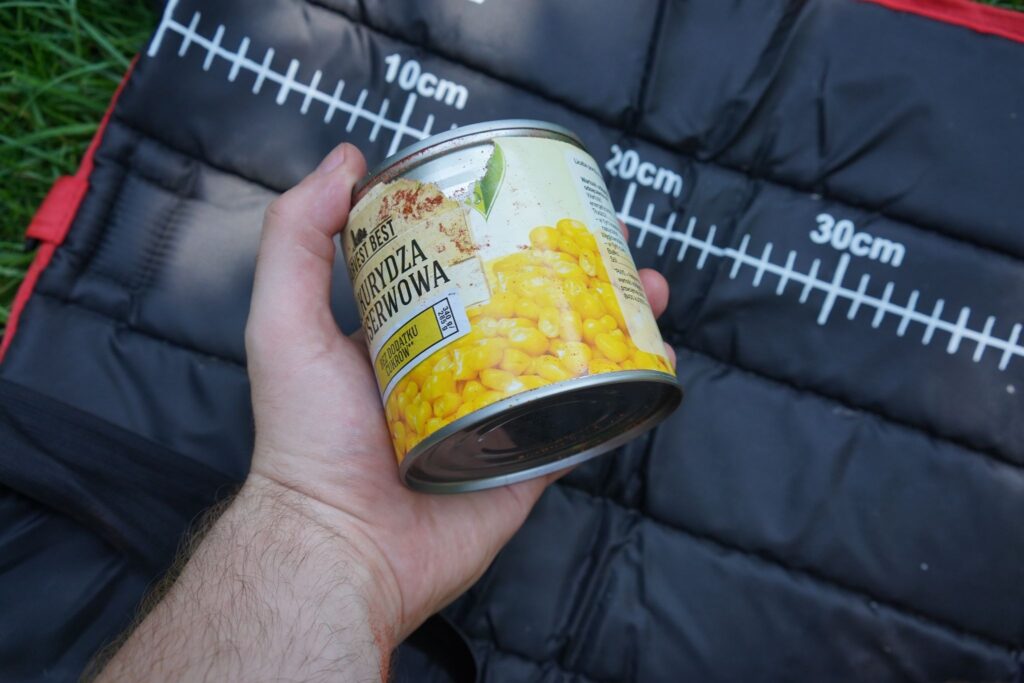
To build a good groundbait mix, I like to include pellets, crushed boilies, hemp, sweetcorn, maggots and casters.
Pellets are one of the most effective additions because many commercial carp are accustomed to pellet-based diets. I recommend using 2mm and 4mm pellets, as they break down quickly while still providing food value. However, pellets that become too soft can prevent the feeder from breaking down correctly.
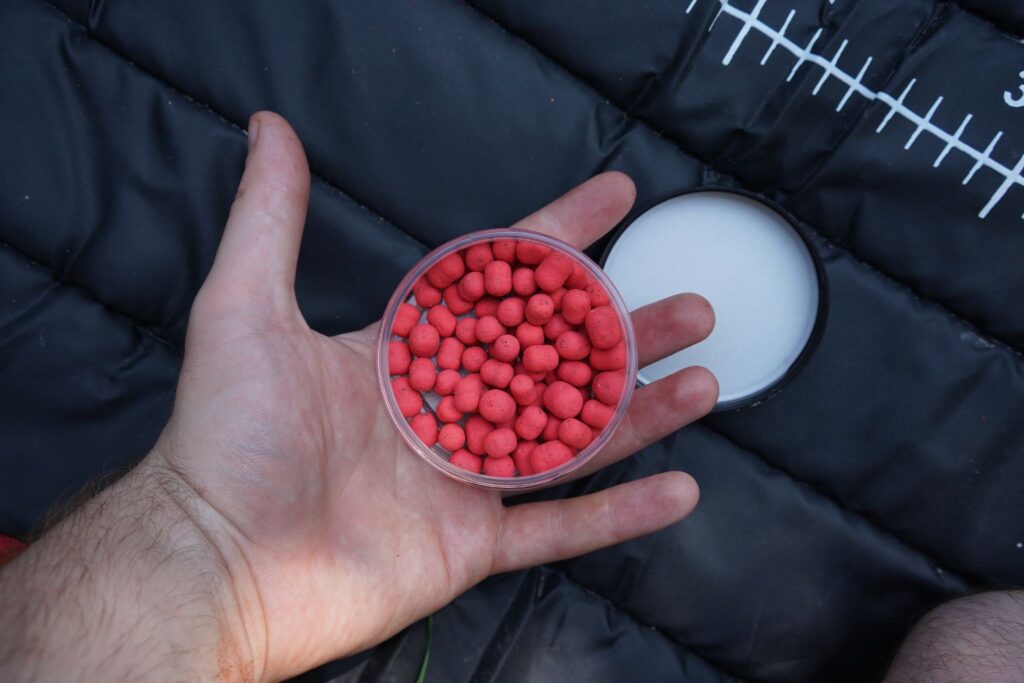
Popup boilies add larger food particles and provide a recognisable carp bait, making them particularly useful when targeting larger carp that are accustomed to feeding on boilies. However, largerr food items should be used carefully, as introducing too much bait can reduce competition around the hookbait.
Hemp produces small particles that encourage carp to feed actively. The small seeds keep fish searching rather than quickly becoming satisfied, while the natural oils released can help attract fish. However, hemp must be prepared correctly before use.
Sweetcorn is a highly visible attractant that works particularly well during warmer months. However, excessive quantities can quickly fill fish, especially on heavily baited waters, so it should be used carefully.
Maggots and casters provide movement, which can trigger feeding responses from carp. However, they can also attract nuisance species such as smaller silverfish, so they need to be used appropriately depending on the venue.
I recommend building your swim early in the session with several feeder casts to establish a concentrated feeding area. The number of initial casts depends on fish activity and venue pressure. Commercial fisheries often allow a more aggressive approach, whereas natural lakes usually require a more cautious strategy because carp may be less confident.
Once carp arrive, reduce the amount of feed to avoid overfeeding. The feeder should continue creating attraction rather than simply providing large quantities of food. Increasing casting frequency can often reignite a slowing swim by introducing fresh attraction back into the area.
My go to hookbaits are sweetcorn, boilies and bread. Each has its place and I choose between them depending on the venue and how the carp are feeding.
Sweetcorn has proven to be one of my most effective hookbaits. Its bright colour makes it easy for carp to locate, while its natural buoyancy and texture allow it to sit effectively on the bottom. It works particularly well on a hair rig and is a bait I have confidence in on almost any commercial fishery.
When targeting larger carp, I prefer a boilie. It’s harder and more selective than pellets, making it excellent for avoiding nuisance species while still appealing to bigger fish.
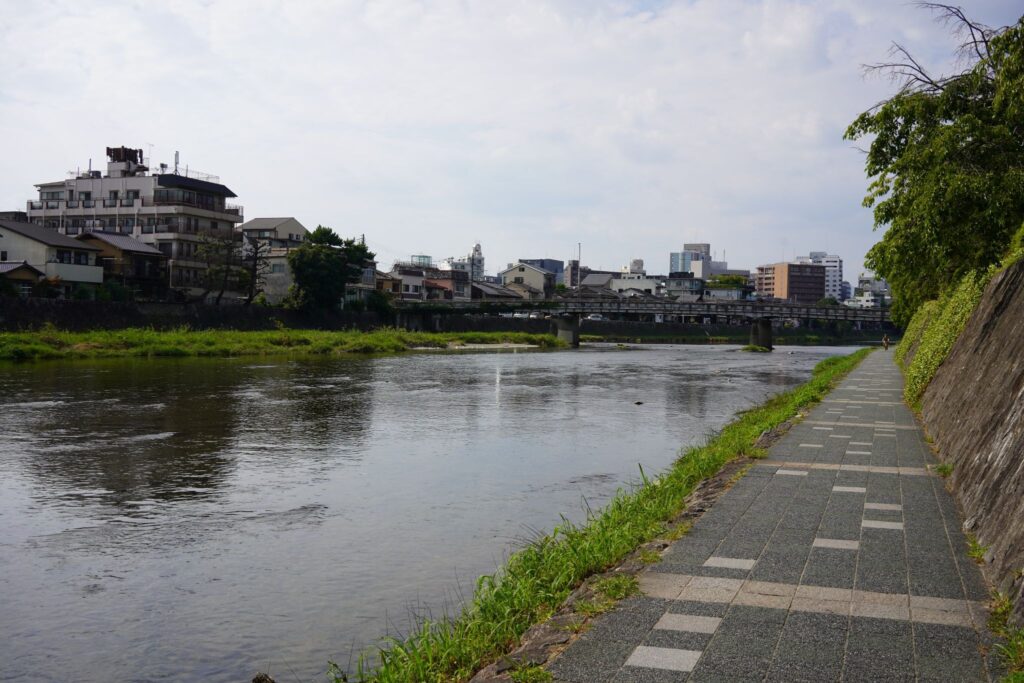
Bread is a much less common choice for feeder fishing, but in the right situation it can be incredibly effective. I recently fished the Kamogawa River in Kyoto, Japan, which is home to double figure carp in shallow, crystal clear water. In conditions like these, where a careful presentation is essential, bread proved to be a highly effective hookbait.
By attracting carp into the area with the feeder before presenting bread on the hook, I found it to be one of the most productive approaches I used during the session. While I appreciate this is an uncommon way to fish for carp with a feeder setup, it shows how adapting your hookbait to the venue can often produce the best results.
Finding the right spot is, of course, essential for successful feeder fishing. Carp often patrol features such as gravel bars, drop-offs, weed edges and rocky areas, making these excellent places to begin.
Before introducing any bait, I like to use a bare lead to investigate the lakebed. I’ve done this on countless occasions, and you quickly learn to feel the difference through the rod. A firm ‘donk’ usually indicates a harder substrate such as gravel or clay, whereas a dull landing sensation often points to softer silt.
Once you’ve found the area you want to fish, it’s important to clip up. The line clip allows you to repeatedly cast to exactly the same distance. After reaching your desired range, simply place the main line into the reel’s line clip. Every cast should then land in the same area, which is essential, as a feeder landing several metres away creates multiple smaller feeding areas instead of one concentrated hotspot.
Another tactic I always use is feathering the cast. Just before the feeder reaches the line clip, lightly slow the spool with your finger. This allows the hooklength to straighten behind the feeder before it lands, preventing the hooklength from wrapping around the feeder on impact. It’s a simple habit that reduces tangles and noticeably improves your presentation.
There are a number of bite indications you can experience while feeder fishing, and learning to recognise them can significantly improve your catch rate.
A pull-round bite is when the rod tip steadily pulls towards the water. This usually indicates the carp has picked up the hookbait and moved away, and is most common when fishing self-hooking feeder rigs.
A drop-back bite is when the rod tip suddenly straightens as the carp moves towards you. This reduces the tension in the line and usually requires an immediate strike, as the fish may not hook itself. I find this is one of the more difficult bite indications for beginners to recognise and react to.
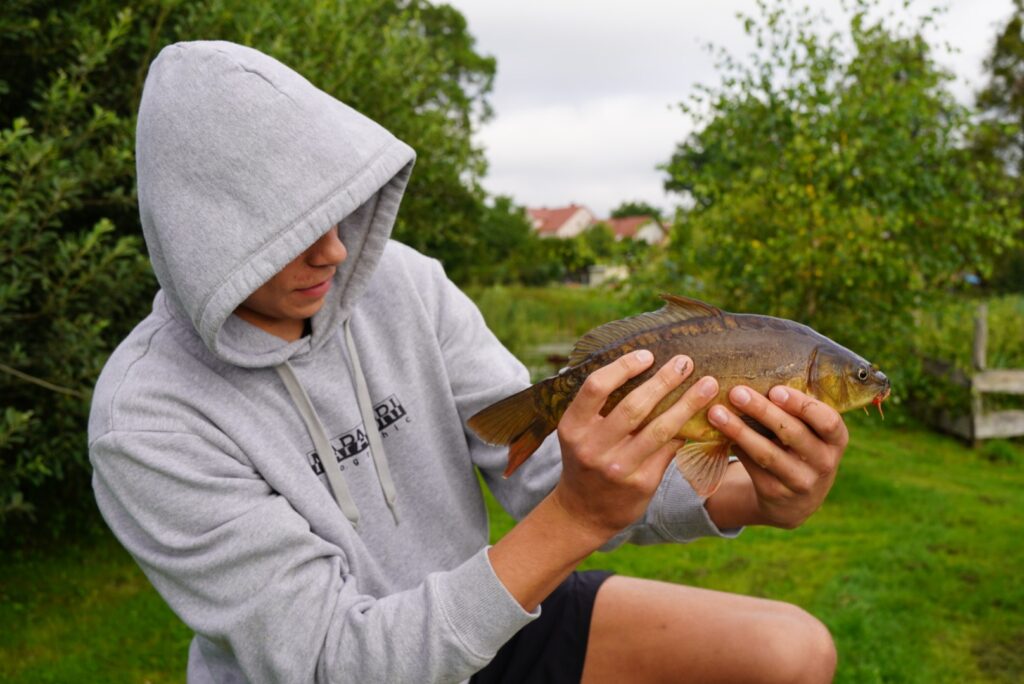
You may also experience small taps and trembles on the quivertip. These are often caused by fish mouthing the bait or by liners, where carp brush against the line without taking the hookbait. They don’t always indicate a feeding fish, and waiting for a more positive indication will often improve your hook-up rate. On many occasions, I’ve struck at these smaller taps only to regret not waiting a little longer.
To improve bite indication, it’s important to adjust your line tension correctly. A tighter line increases sensitivity but can also lead to false indications in windy conditions. A slightly slacker line reduces unnecessary movement but can hide more delicate bites.
The quivertip should remain under enough tension to register clear movement without pulling the feeder across the bottom, giving you the best balance between bite detection and presentation.
Playing and landing a carp on feeder tackle has a few subtle differences that are worth knowing.
When setting the hook, many feeder rigs require little or no aggressive strike, as the resistance of the feeder often creates the initial hook hold. A smooth lift of the rod is usually enough to tighten into the fish. In fact, violent strikes can pull the hook free, especially when fishing shorter hooklengths.
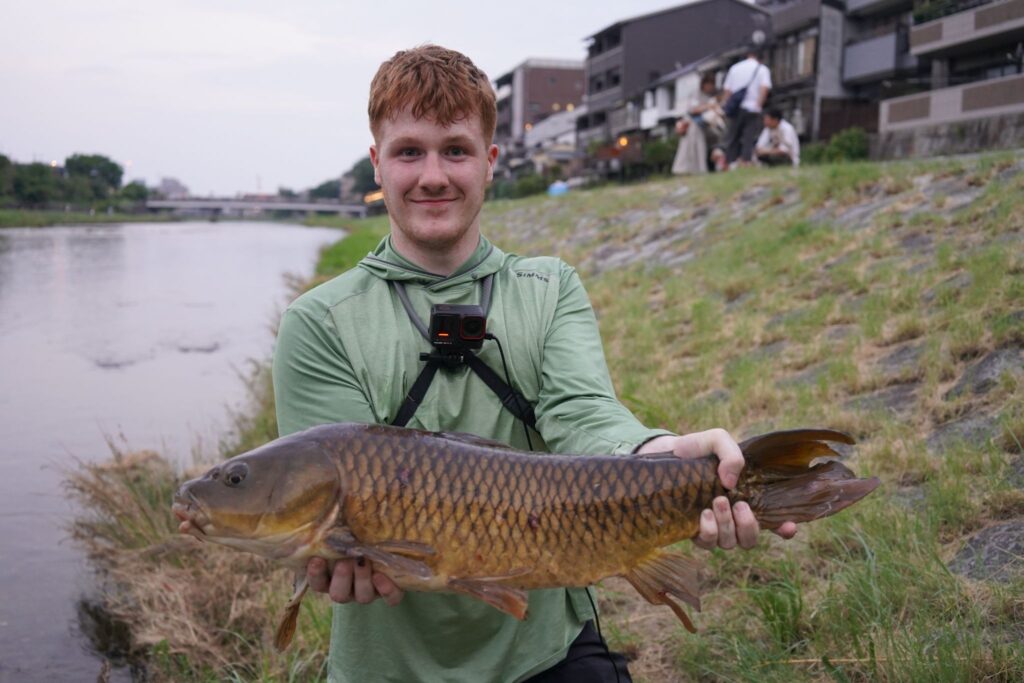
When playing the fish, keep the rod high to maintain steady pressure and allow the rod’s action to absorb the carp’s lunges. Avoid tightening the drag excessively and instead use steady side strain to change the fish’s direction and gradually tire it, preventing it from reaching weed beds or snags.
When it comes to landing the carp, always use a large landing net and guide the fish over the net rather than chasing it with the mesh. Maintain constant pressure until the carp is fully inside the net, and before lifting it out of the water, check the hook position, as feeder hooks can occasionally only be lightly hooked.
Over my years of feeder fishing, I have noticed subtle changes in carp behaviour throughout the seasons, and making small adjustments to your setup can make a noticeable difference.
In spring, I’ve noticed carp become increasingly active as water temperatures rise. Smaller feeders and lighter amounts of bait are often more effective early in the season, while natural baits such as worms, maggots and sweetcorn can often outperform larger boilies. I also find shallow areas warm up first, making them excellent places to target actively feeding carp.
Summer is my favourite time of year for feeder fishing, as carp have a much higher metabolism and are willing to consume larger amounts of bait. I find it to be the most productive season, with pellet-based approaches and method feeders consistently producing results. Regular recasting also helps maintain a competitive feeding area and keeps carp actively searching for food.
As autumn approaches, carp begin feeding heavily ahead of winter. Higher-protein baits such as pellets and boilies become increasingly effective, while larger hookbaits can help single out bigger fish. Longer sessions also benefit from establishing a reliable feeding area that carp can return to throughout the day.
During winter, carp feed much less frequently as their metabolism slows. I reduce the amount of bait going into the swim and switch to smaller hookbaits, finer hooklengths and smaller hooks to maximise my chances of a bite. I also tend to lean towards natural baits such as maggots or worms, which I have found to be particularly effective during the colder months.
Over my years of feeder fishing, I’ve learned some more niche tips that have been very beneficial in improving my angling.
Using a marker lead before fishing can help you understand the depth, bottom composition and underwater features, rather than blindly choosing a casting point. I also recommend counting the feeder down after each cast, as a sudden change in sink time can indicate a change in depth or a different bottom composition.
If bites are occurring but fish are not being hooked, I would shorten the hooklength before changing bait. In many cases, missed opportunities are caused by poor hook presentation rather than the bait itself.
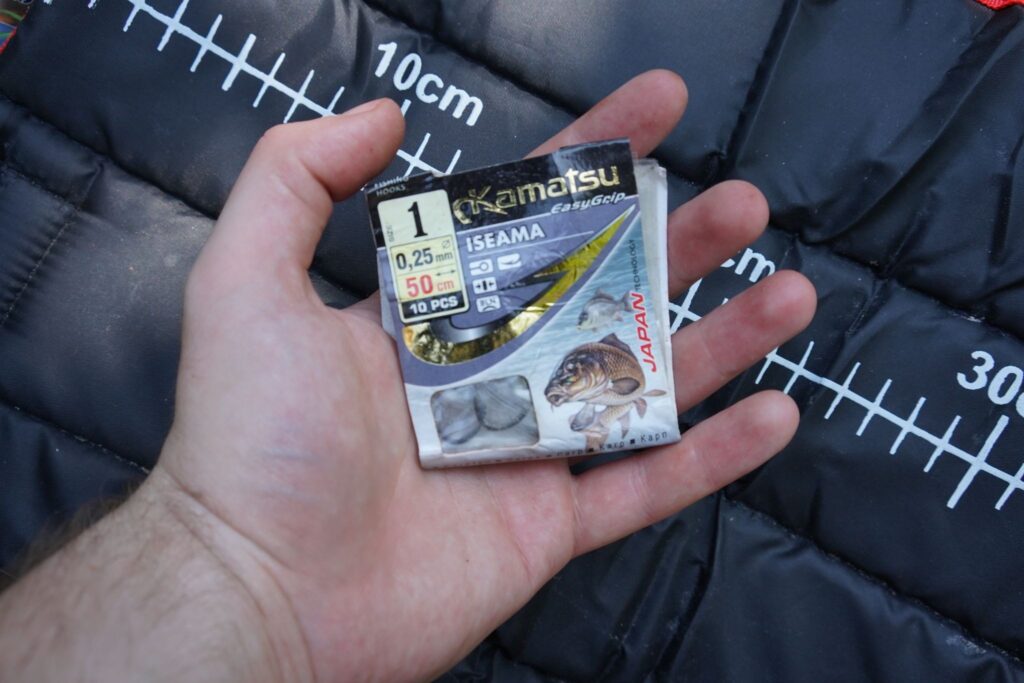
I also believe in replacing hooks regularly, as feeder fishing often involves contact with gravel, shells and hard lakebeds, which can quickly dull the hook point. To test hook sharpness, lightly drag the point across your fingernail. A sharp hook should catch immediately rather than slide across the surface.
Always change one variable at a time, whether that is feeder size, hooklength, bait or feed. Changing multiple factors together makes it difficult to identify what actually improved your results.
I would also recommend watching the water around your feeder area. A good pair of polarised glasses can help you spot bubbling, cloudy patches or disturbed sediment, all of which can indicate carp are feeding actively.
Finally, if you know carp are present in your feeding area, avoid continually adding more bait. The aim is to keep fish competing around the feeder rather than feeding them until they lose interest.
Feeder fishing for carp is built around precision rather than complexity. While it is a relatively straightforward approach to carp angling, the more time you spend refining the small details, the more effective it becomes.
The most successful anglers understand how each part of their setup affects presentation, feeding behaviour and bite detection. A correctly balanced rod, reel, line, feeder, rig and hookbait allows you to consistently place your bait exactly where carp are feeding, but continued improvement comes from learning how those choices need to change depending on the situation.
As you gain more experience, focus on improving one area at a time. Learn how different feeders affect bait presentation, how hooklength changes influence confidence and hooking efficiency and how carp respond to different feeding approaches. The biggest improvements often come from observing what is happening in front of you and making small adjustments rather than constantly changing your entire setup.
Feeder fishing continues to produce results because it combines accurate bait delivery with natural feeding opportunities. By mastering the fundamentals and gradually refining your approach, you can become a more consistent and successful feeder angler.